





The Rise of the Experience Economy
A significant shift is underway in how young Indians spend their disposable income. A growing preference for experiences over possessions is reshaping consumer behaviour. Reports project that India's experience economy, encompassing everything from live
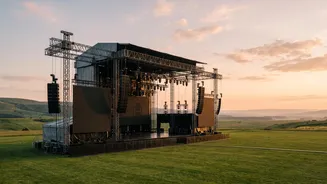
events and tourism to skill workshops, is set to nearly double from approximately $32.2 billion in 2024 to $59.2 billion by 2030. This trend is expected to grow at an annual rate of 16-18%. It's not just a fleeting fad but a structural change, with spending on experiences predicted to outpace the growth of spending on physical goods in the coming years. One report noted a staggering 90-fold increase in spending on experiences in 2025 compared to the previous year, signalling a deep realignment of consumer priorities. This is particularly true for live events, with India hosting over 34,000 concerts and shows in 2025 alone.
Social Media as a Status Symbol
In the digital age, experiences have become a new form of social currency. Platforms like Instagram and YouTube are calibrated to reward visually compelling content, and a music festival or a trip to a new city provides far more shareable moments than a material purchase. For many Gen Z and Millennial consumers, a curated feed of memorable activities is the ultimate status symbol. This creates a powerful feedback loop: the desire for unique experiences is amplified by the need to create engaging online content. Studies show that social media significantly influences purchasing behaviour among young Indians, with the 'Fear of Missing Out' (FOMO) driving many to spend on trends and peer-validated activities. This pressure to project a vibrant online persona can be so strong that some young professionals admit to going into debt for concert tickets or vacations, viewing the resulting social media posts as a worthwhile investment in their social identity.
Redefining Success and Happiness
For previous generations, financial security and material assets were the primary markers of success. Today's youth are increasingly questioning this definition. Many now equate a rich life with a collection of memories, skills, and personal growth rather than a collection of things. This philosophical shift is a key driver of the experience economy. Instead of saving for a down payment on a house, a young person might create a 'fun fund' specifically for travel, workshops, and concerts. This doesn't necessarily mean they are financially reckless; rather, they are balancing future goals with a strong desire to live fully in the present. The focus has moved from ownership to access, and from passive consumption to active participation. More than half of users are now spending on learning-based experiences, such as skill workshops and masterclasses, highlighting a desire for personal development alongside leisure.
The Post-Pandemic Push
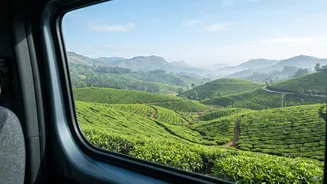
The COVID-19 pandemic and its associated lockdowns acted as a powerful catalyst for this trend. After long periods of confinement and digital-only interaction, there was a surge in pent-up demand for real-world activities. This 'revenge spending' on travel and social events wasn't just about making up for lost time; it fundamentally rewired priorities. The pandemic underscored the fragility of life and the importance of making memories, leading many to prioritise immediate experiences. Furthermore, the widespread adoption of remote and hybrid work models has untethered many young professionals from the traditional office, making it easier to blend travel with work and take more frequent, shorter trips.
Financial Flexibility and Shifting Values
The rise of the experience economy is also supported by new financial realities. The availability of 'Buy Now, Pay Later' (BNPL) schemes and easy access to credit allows for more impulsive spending on big-ticket experiences, though this also carries the risk of debt. At the same time, Gen Z and Millennials are approaching asset ownership differently. The rise of rental markets, subscription services, and the sharing economy means that owning a car or a large collection of physical goods is less of a necessity. This frees up income that might have once been allocated to EMIs for material possessions. For this cohort, possessions can feel like a burden, whereas experiences represent liberation and a way to build a unique personal identity.