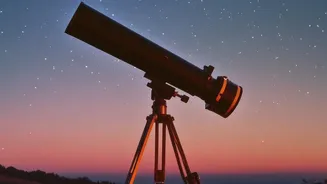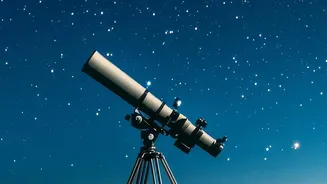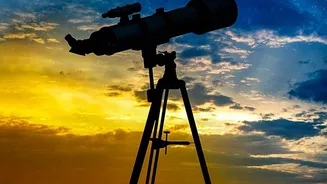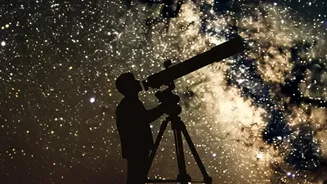




The Allure of the Cosmos
Astrotourism, or dark-sky travel, is a rapidly emerging trend among those seeking experiences that are both meaningful and disconnected from daily stressors. It involves travelling to remote locations with minimal light pollution to witness the night
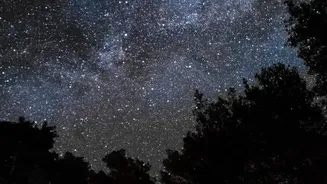
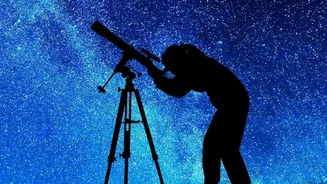
sky in its full glory. For many urban Indians, a sky filled with thousands of stars, the visible arc of the Milky Way, and the occasional meteor shower is an entirely new and breathtaking sight. These expeditions are not just about astronomy; they are about disconnecting from screens and reconnecting with a sense of wonder. The simple act of looking up at the vastness of space can have a deeply calming effect, encouraging mindfulness and offering a much-needed mental retreat.
Why Winter is the Perfect Canvas
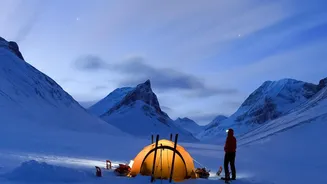
Winter provides the ideal conditions for stargazing in many parts of India. The season brings longer nights, giving you more hours to observe the sky. More importantly, the post-monsoon and winter air is typically drier and less hazy, resulting in exceptional atmospheric clarity. This means the stars appear sharper and brighter. While summer skies feature the bright core of the Milky Way, the winter sky has its own distinct character, showcasing prominent constellations like Orion and Taurus, and the brilliant star Sirius. Destinations across the country, from the high-altitude deserts of the Himalayas to the open expanses of Rajasthan and Gujarat, become prime stargazing spots during these colder months.
A Sanctuary for the Solitary Traveller
A solo journey is often a quest for introspection, and a dark-sky expedition provides the perfect environment for it. Stargazing is an inherently quiet and personal activity. It allows for moments of peaceful contemplation, where the sheer scale of the universe can put one's own concerns into perspective. Standing alone under a canopy of stars fosters a unique feeling—a blend of solitude and profound connection to something much larger than oneself. This experience can be deeply grounding. Furthermore, organised astrotourism sites, like official dark-sky reserves, offer a safe and structured way for solo travellers to explore remote areas, often providing guides and basic amenities.
India's Celestial Havens
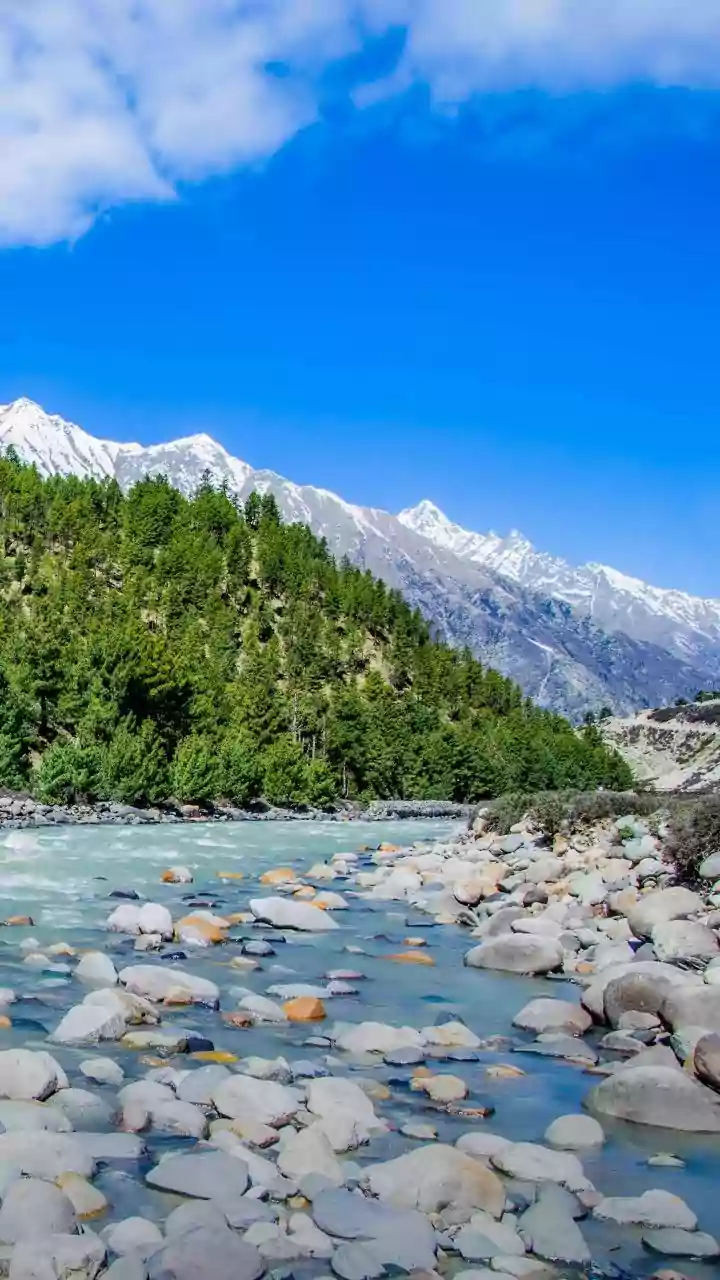
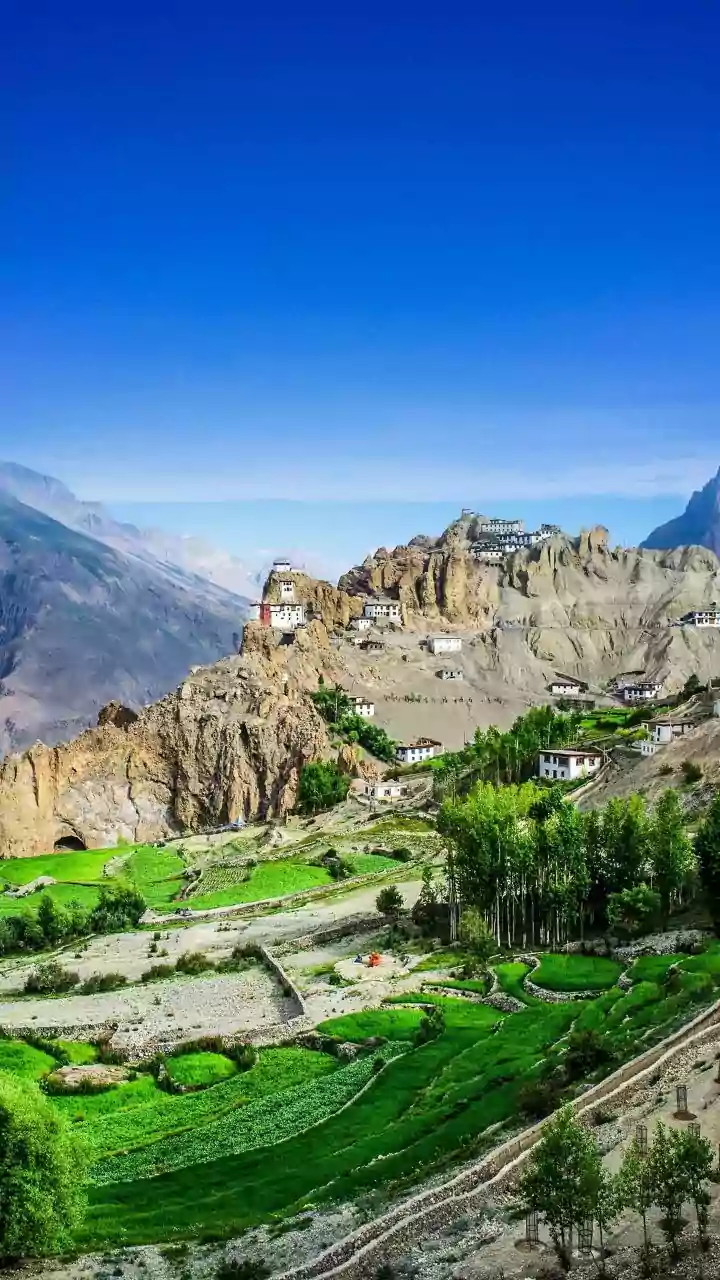
India is home to several world-class dark-sky locations. The Hanle Dark Sky Reserve in Ladakh, India's first, is a premier destination. Situated at a high altitude with virtually no light pollution, it offers some of the clearest skies in Asia. Local villagers, trained as astronomy ambassadors, guide visitors, making the experience accessible and community-driven. Spiti Valley in Himachal Pradesh is another jewel, with villages like Kibber and Langza offering breathtaking views from over 4,000 meters. For those preferring less extreme altitudes, the Rann of Kutch in Gujarat provides a surreal landscape where the flat salt desert can reflect the starlight, creating an immersive experience, particularly from November to February. Other accessible options include desert camps near Jaisalmer in Rajasthan and hillside estates in Coorg, Karnataka.
An Experiential Journey, Not Just a Trip
What elevates a dark-sky trip into an 'experiential journey' is the holistic nature of the adventure. It is about more than just what you see at night. In places like Ladakh and Spiti, it involves engaging with the local culture of remote Himalayan communities, staying in homestays, and understanding a different way of life. It’s a chance for a true digital detox, where the lack of connectivity becomes a feature, not a flaw. This focus on immersive, activity-based travel is a growing trend, especially among younger Indian travellers who seek genuine connections and lasting memories over simple sightseeing. A winter trip to chase the stars becomes a story of endurance, discovery, and personal reflection.