


Not All Pickles Are Created Equal
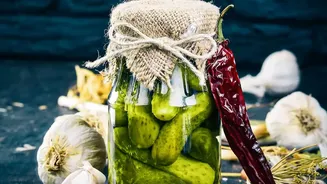
The pickle aisle at your local store is full of variety, but most commercially produced pickles are not the health heroes you might be looking for. These are typically made using vinegar, which is a fast and reliable way to achieve a sour taste and preserve
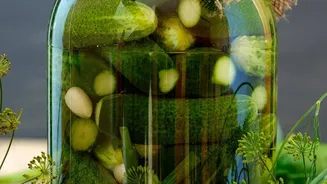
vegetables. However, the high acidity of vinegar and often the heat treatment (pasteurisation) used to make them shelf-stable kills off nearly all bacteria, including the beneficial ones. Traditional Indian pickles, on the other hand, often rely on a much older and more magical process: lacto-fermentation. This is where naturally occurring bacteria, primarily from the Lactobacillus family, convert the sugars in vegetables into lactic acid. This acid acts as a natural preservative, creating that signature tang while allowing a rich community of live, healthy bacteria to flourish.
The Crucial Role of Oil
The term 'oil-balanced' points to a key feature of many Indian pickling traditions. While it might seem counterintuitive, oil plays a vital role in the fermentation process. A layer of oil on top of the pickle helps create an anaerobic (oxygen-free) environment. This is crucial because it seals off the vegetables from airborne yeasts and moulds that could cause spoilage, while allowing the beneficial, anaerobic lactic acid bacteria to do their work. The salt, which is always a primary ingredient, draws water out of the vegetables to create a brine, which is where the fermentation happens. So, the oil isn't just for flavour or mouthfeel; it acts as a protective barrier that enables a slow, controlled, and successful fermentation, resulting in a pickle that is both delicious and teeming with live cultures.
Your Gut: A Thriving Internal Garden
Think of your gut as a complex and bustling ecosystem, often called the gut microbiome. It's home to trillions of microorganisms, including bacteria, viruses, and fungi. A healthy and diverse microbiome is increasingly linked to better digestion, a stronger immune system, and even improved mood. The 'good' bacteria in your gut help break down food, produce essential vitamins, and protect against harmful pathogens. However, factors like stress, a poor diet, and antibiotics can disrupt this delicate balance. This is where probiotics—live beneficial bacteria found in certain foods—can help. By consuming them, you can help replenish and support the population of good bacteria in your gut.
How Fermented Pickles Nurture Your Microbiome
When you eat a traditionally fermented, unpasteurised pickle, you are consuming the live bacterial cultures created during the fermentation process. These are primarily strains of Lactobacillus, the same family of bacteria celebrated in yoghurt and other probiotic foods. Studies have shown that a diet rich in fermented foods can increase the diversity of your gut microbiota and may help reduce markers of inflammation. The live cultures in fermented pickles can contribute to this diversity, supporting a healthy and resilient gut environment. Furthermore, the fermentation process can make the nutrients in the vegetables more bioavailable, meaning your body can absorb and use them more easily.
Choosing the Right Kind of Achaar
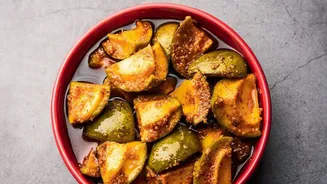
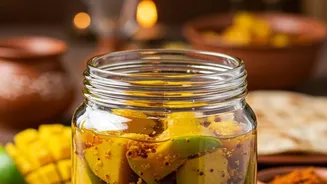
To reap the gut-health benefits, you need to choose your pickles wisely. Most pickles on supermarket shelves are vinegar-based and pasteurised, so they won't contain live cultures. Look for pickles that are labelled 'naturally fermented', 'unpasteurised', or 'contains live cultures'. These are more likely to be found in the refrigerated section of a store, as the cold temperature keeps the probiotics alive. The ingredients list should be simple: vegetables, salt, oil, and spices. If you see vinegar high on the list, it's likely not a fermented product. Of course, the most reliable source is often homemade achaar, made using age-old family recipes that have been nurturing gut health for generations long before 'probiotics' became a buzzword.