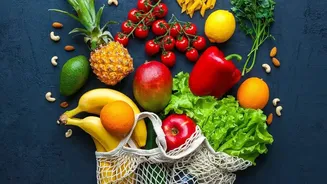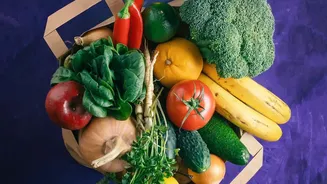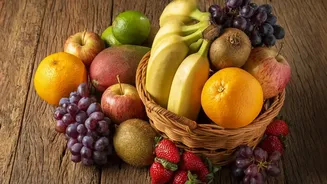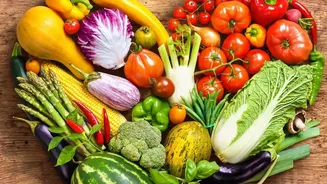





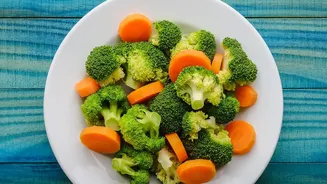
As the air cools, nature offers a bounty of vibrant produce. Aligning your diet with the season by choosing November's harvest isn't just a culinary delight; it’s a powerful strategy to nourish your gut microbiome and boost overall health.
The Core Principle: Why Seasonal Eating Matters
Eating seasonally
means consuming foods that are harvested at their natural peak. This practice offers several key advantages for your health. First, produce that is picked and eaten at its freshest is often more nutrient-dense, retaining higher levels of vitamins, minerals, and antioxidants than foods that have travelled long distances. Second, a seasonal diet naturally rotates the types of foods you eat, which is crucial for a diverse and resilient gut microbiome. Different plants provide different types of prebiotic fibers and polyphenols, which act as fuel for various beneficial bacteria in your gut. This diversity is linked to improved digestion, reduced inflammation, and a stronger immune system.
Orange Powerhouses: Pumpkin and Sweet Potato
November brings a wealth of orange-hued vegetables, most notably pumpkin and sweet potatoes. Both are exceptional sources of beta-carotene, an antioxidant your body converts into vitamin A, which is vital for vision, immune function, and skin health. For gut health, their fibre content is key. Sweet potatoes, in particular, are rich in dietary fibre, which aids digestion and promotes regular bowel movements. Pumpkin also provides a healthy dose of fibre and has fewer calories, making it a great addition to meals if you're managing weight. The fibre in both vegetables helps feed beneficial gut bacteria, contributing to a balanced inner ecosystem.
Go Green for Your Gut: Spinach and Other Leafy Greens
Leafy greens like spinach (palak), fenugreek (methi), and mustard greens (sarson) are abundant in November. These greens are nutritional powerhouses, packed with folate, iron, calcium, and vitamins A, C, and K. From a gut health perspective, they are exceptional. They provide insoluble fibre, which adds bulk to stool and helps prevent constipation, and soluble fibre, which nourishes good gut bacteria. Furthermore, leafy greens contain a unique sugar molecule called sulfoquinovose (SQ), which research suggests acts as a preferred energy source for beneficial gut bacteria like E. coli, helping them thrive and crowd out less desirable microbes.
Hardworking Roots: Carrots and Beets
Root vegetables are a staple of the cooler months. Carrots and beetroots, both available in November, are fantastic for your daily nutrition and gut. Both are good sources of dietary fibre. Carrots are famously rich in beta-carotene for vitamin A, while beetroots offer folate, manganese, and nitrates that support heart health. The fibre in both helps ensure smooth digestion. Beets also contain betaine, a compound that supports liver function, which is an integral part of the digestive process. Including a variety of these colourful roots in your diet provides a broad spectrum of nutrients and fibres to keep your digestive system happy.
November 's Fruit Basket : Pomegranate and Citrus
Don 't forget the fruit ! November is a prime time for pomegranates and the beginning of citrus season in India . Pomegranates are loaded with antioxidants and their seeds ( arils ) are an excellent source of fibre , which aids digestion and helps maintain a healthy gut lining . Compounds in pomegranates , like ellagitannins , act as prebiotics , feeding beneficial gut microbes and contributing to a balanced microbiome . Citrus fruits like oranges and sweet limes ( mosambi ) are celebrated for their high vitamin C content , a powerful antioxidant that supports the immune system . They also provide soluble fibre , which helps feed good gut bacteria , and insoluble fibre , which aids regularity .