


Why Post-Monsoon is Prime Time
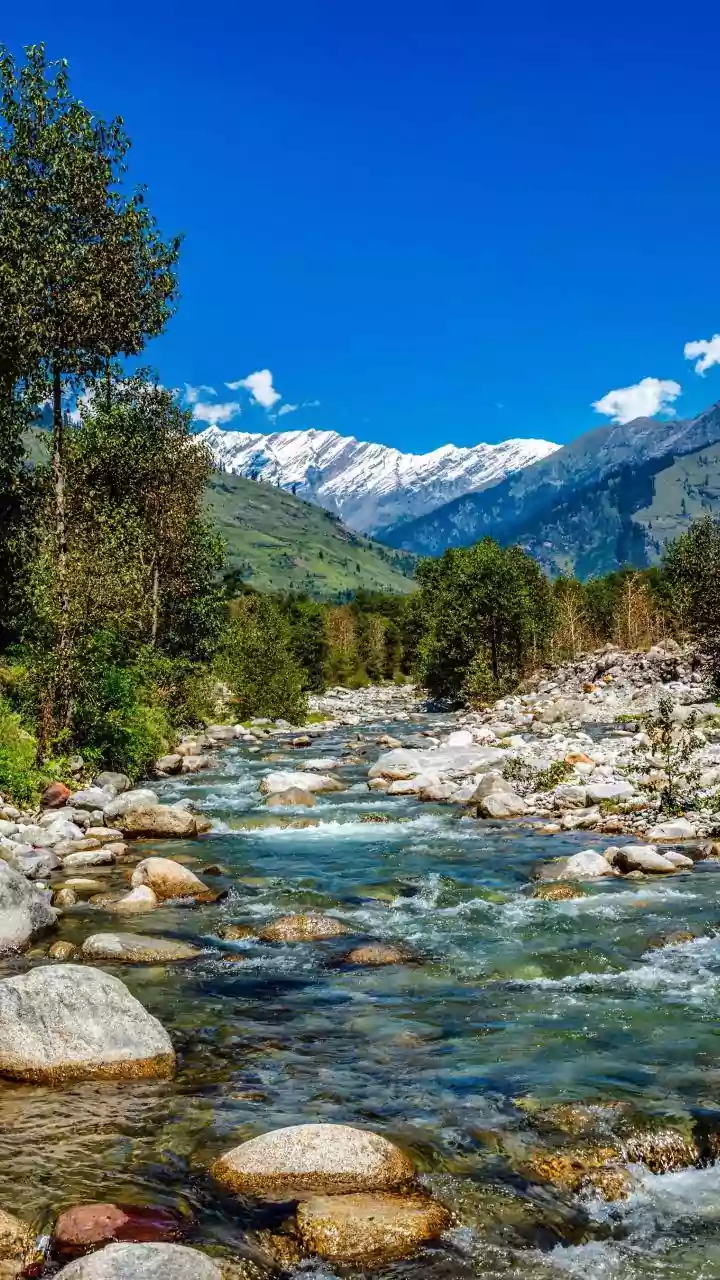
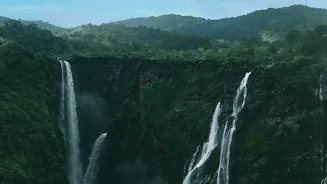
The period from September to May is widely considered the ideal time to visit Wayanad. After months of rain, the landscape is incredibly lush, the waterfalls are at their most spectacular, and the weather is pleasantly cool and perfect for sightseeing.
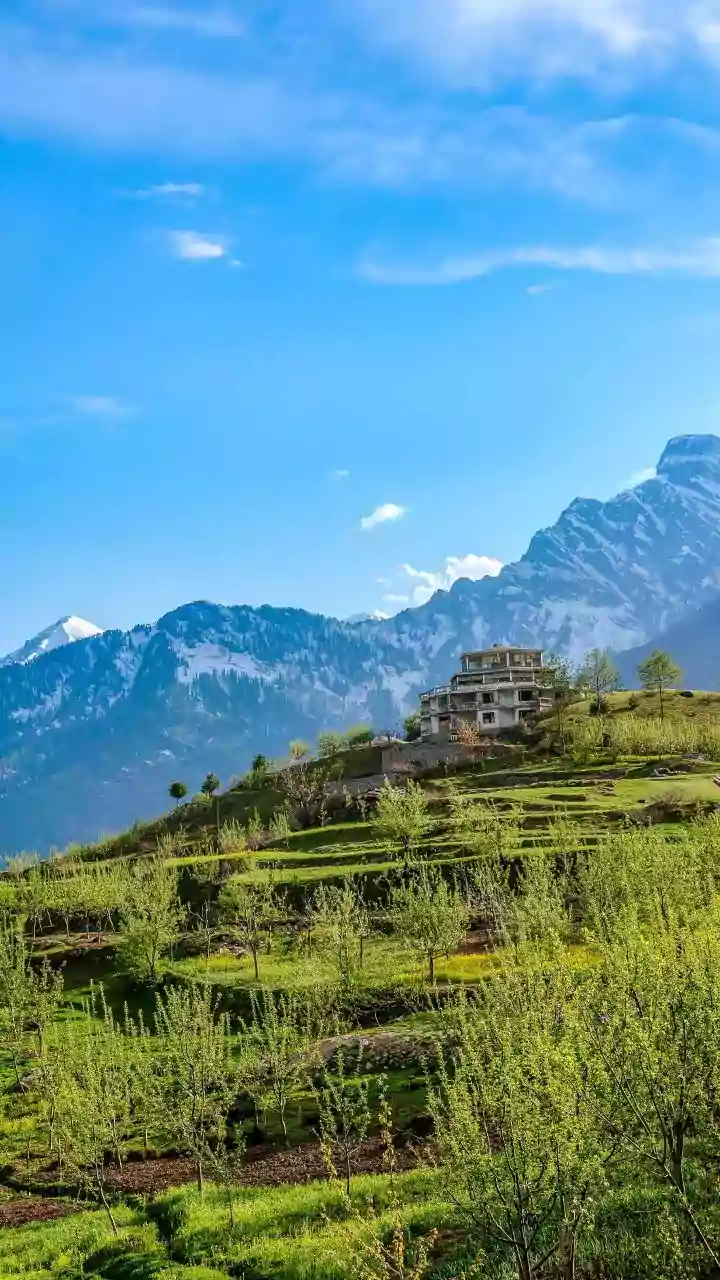
For Bengaluru residents seeking a break from the urban grind, this window offers clear skies and verdant surroundings. The district, located on the southern tip of the Deccan plateau, sheds the heavy downpours of the monsoon but retains its emerald glow, making outdoor activities like trekking and plantation walks comfortable and visually stunning. The air is fresh, the forests are dense, and the entire region feels rejuvenated.
The Authentic Homestay Experience
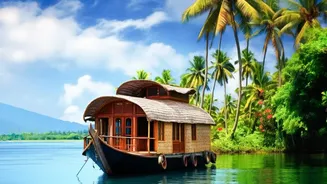
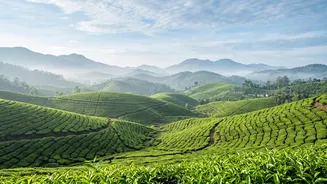
To truly soak in Wayanad's charm, consider forgoing a conventional hotel for a homestay. These stays, often nestled within sprawling coffee, tea, and spice plantations, offer an intimate glimpse into local life. Plantation homestays provide a tranquil retreat where you can wake up to the sounds of nature and enjoy home-cooked Kerala cuisine, often made with ingredients grown right on the property. Many hosts offer guided walks through their estates, sharing knowledge about the cultivation of coffee, cardamom, and pepper. Whether you choose a luxurious villa with modern amenities or a cozy, traditional cottage, a homestay adds a layer of authenticity to your weekend escape, connecting you more deeply with the region's culture and environment.
Glide on Bamboo at Kuruva Island
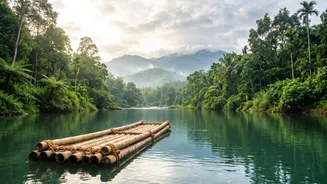
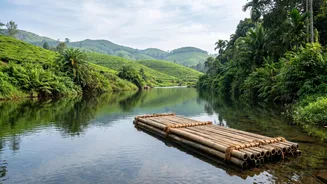
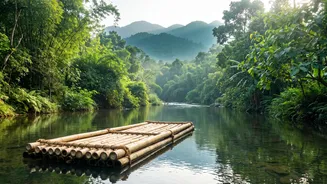
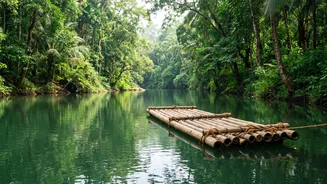
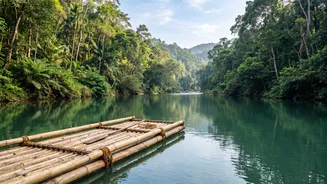
A highlight of any post-monsoon Wayanad trip is bamboo rafting on the Kabini River, particularly at Kuruva Island (Kuruvadweep). This 950-acre protected river delta is an uninhabited cluster of islands, rich in rare flora and fauna. Accessible only by rafts and fibre boats managed by the Kerala Forest Department, it’s a true eco-tourism spot. The rafting experience is serene, taking you through dense evergreen forests and bamboo groves. The island itself is perfect for nature walks across rustic bridges and shallow streams. Kuruva Island typically closes during the heavy monsoon months (June to September) and reopens as the river calms, making the post-monsoon season the perfect time to visit. Be sure to arrive early, as there is a daily cap on visitors to preserve the island's pristine environment.
Beyond the Raft: Other Weekend Wonders
While rafting is a must-do, Wayanad has much more to offer for a packed weekend. History enthusiasts can trek to the Edakkal Caves, which feature prehistoric petroglyphs dating back thousands of years. The climb is rewarded with a fascinating glimpse into the past and panoramic views of the Western Ghats. For another dose of natural beauty, head to Soochipara Waterfalls, a stunning three-tiered cascade, or the Banasura Sagar Dam, India’s largest earthen dam, where you can enjoy speed boating against a backdrop of green hills. These sites are particularly impressive after the monsoon when water levels are high.
Planning Your Trip from Bengaluru
Wayanad is an accessible weekend destination from Bengaluru, with a road distance of approximately 280-300 kilometres. The drive typically takes around six to seven hours. The most popular and scenic route is via Mysore and Gundlupet, which takes you through the Bandipur Tiger Reserve. Driving through the forest reserve is an experience in itself, but be mindful that the entry gates are closed to traffic at night, generally between 9 PM and 6 AM. For those who prefer not to drive, several KSRTC and private buses operate daily services from Bengaluru to towns in Wayanad like Kalpetta and Sultan Bathery. Alternatively, you can take a train to the nearest major railway station, Kozhikode (Calicut), and then hire a taxi for the remaining journey to Wayanad.