


What Are 'Functional' Snacks?
First, let's clarify what 'functional' even means in this context. These aren't just snacks that are low in calories or fat. Functional foods are designed to offer health benefits beyond basic nutrition. Think of snacks enriched with protein for muscle
repair, fibre for gut health, probiotics for digestion, or adaptogens for stress relief. For years, the focus was so squarely on the 'function'—the health benefit—that flavour often felt like an afterthought. The result was a shelf full of products that were good for you, but not necessarily exciting to eat. They were snacks you ate because you should, not because you craved them. This created a gap in the market for snacks that could deliver on both health promises and genuine flavour excitement.
The Global Flavour Revolution
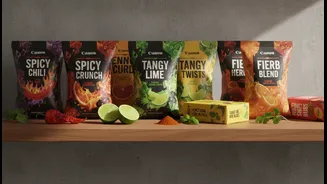
The shift towards bold flavours isn't happening in a vacuum. It's a direct reflection of a broader culinary trend: Indian consumers, particularly younger generations, are increasingly adventurous with their palates. Exposure to global cuisines, both through travel and social media, has created a demand for more complex and intense tastes. Flavours inspired by Mexican, Korean, and Thai cuisines are no longer niche; they're becoming mainstream. This has led to a rise in what the food industry calls 'swicy' (sweet and spicy) and 'swangy' (sweet, spicy, and tangy) profiles. Think mango habanero, spicy soy, jalapeño lime, and tamarind chilli. These combinations offer a layered sensory experience that a simple salted or sweet snack can't match.
Healthy and Hot: A Perfect Pairing
The new wave of functional snacks marries these bold, global flavours with health-forward ingredients. Consumers no longer have to choose between a tasty but unhealthy snack and a bland but nutritious one. Brands are innovating by incorporating spices not just for taste, but for their inherent health benefits. For instance, many spices used in Ayurvedic traditions are now being highlighted for their functional properties. Turmeric is known for its anti-inflammatory properties, ginger for digestive support, and capsaicin (the compound in chilli peppers) for boosting metabolism. This allows brands to build a product story that is about both exciting flavour and holistic wellness. Products like masala-spiced dates, millet noodles with bold tastemakers, and baked multigrain snacks with cheesy jalapeño are becoming more common.
Who Is Driving the Demand?
The primary force behind this trend is Millennial and Gen Z consumers. These demographics are not only more open to experimenting with global flavours but are also more health-conscious than previous generations. They read labels, seek out clean and natural ingredients, and want products that align with their wellness goals. They expect more from their food; it needs to be delicious, nutritious, and often, shareable on social media. The visual and sensory appeal of these spicy, colourful snacks is a perfect fit for this digitally native audience. Brands have responded by launching products like hot honey almonds, spicy sausage snack trays, and a variety of Indian namkeen snacks positioned as healthier, plant-based options.
The Future Is Fiery and Functional
This trend shows no signs of slowing down. As consumers continue to seek out novel and exciting food experiences, the functional snack category will likely see even more flavour innovation. Expect to see more complex heat profiles, exploring different types of peppers and spice blends from around the world. We may also see a deeper integration of traditional Indian flavours, re-imagined for a modern, health-conscious consumer. The lines between indulgent snacking and healthy eating are blurring, and the winner is the consumer, who gets to enjoy snacks that are both good for the body and exciting for the palate. The once-predictable health food aisle is officially entering its flavour era.