


A Major Milestone for the Eastern Himalayas
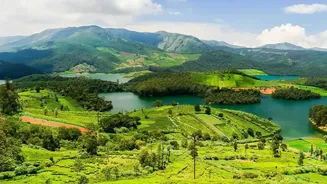
On August 3, 2026, Glaw Lake was officially designated as a Wetland of International Importance under the Ramsar Convention, becoming India's 101st such site. This is a significant first for Arunachal Pradesh, placing one of its pristine freshwater lakes
onto a global stage for conservation. Located within the Kamlang Tiger Reserve and Wildlife Sanctuary, Glaw Lake is a biodiversity hotspot fed by perennial mountain streams. The announcement by the Union Environment Minister highlighted this as a crucial step for ensuring biodiversity, water security, and sustainable livelihoods for the communities who depend on these fragile ecosystems.
What is a Ramsar Site?
The Ramsar Convention is an international treaty for the conservation and "wise use" of wetlands, established in 1971. A site is designated based on its international significance in terms of ecology, botany, hydrology, or zoology. For a wetland to be listed, it must meet at least one of nine specific criteria, which include supporting vulnerable species, hosting unique ecological communities, or being a vital water source. This designation is a commitment by the national government to maintain the ecological character of the wetland through sustainable management. India, which joined the convention in 1982, has been rapidly expanding its network of Ramsar sites, growing from 26 in 2014 to 101 with the addition of Glaw Lake.
The Link to Water Security
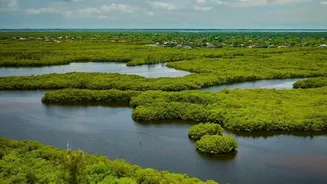
Wetlands like Glaw Lake are the natural infrastructure that underpins water security. They act like giant sponges, absorbing and storing excess water during heavy rainfall, which helps mitigate floods downstream. During dry periods, they slowly release this stored water, maintaining stream flows and replenishing groundwater reserves. Furthermore, wetlands are natural purifiers. As water passes through them, they trap sediments and filter out pollutants, ensuring that the water flowing to downstream communities and ecosystems is cleaner. By protecting Glaw Lake, Arunachal Pradesh is safeguarding a critical source of fresh water for the entire region.
A Buffer Against Climate Change
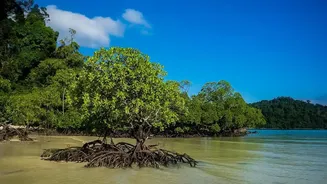
Beyond water, wetlands are powerful allies in the fight against climate change. They are among the world's most effective carbon sinks. Ecosystems like the lush vegetation surrounding Glaw Lake, which includes over 150 tree species and 49 orchid species, absorb vast amounts of carbon dioxide from the atmosphere, storing it in their biomass and soil. Some estimates suggest wetlands can store 50 times more carbon than rainforests. Their ability to regulate water flow also makes them crucial buffers against the extreme weather events—such as intense droughts and floods—that are becoming more frequent with a changing climate. Protecting these areas is a direct investment in climate resilience.
Beyond Glaw Lake: The Apatani Example
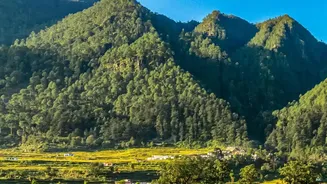
While Glaw Lake's designation is a celebrated victory, it also shines a light on other unique wetland systems in Arunachal Pradesh deserving of attention. For years, the Ziro Valley has been a contender for special recognition, including a tentative spot on the UNESCO World Heritage list, for its Apatani cultural landscape. The Apatani people have perfected a centuries-old integrated rice-fish cultivation system, where fish are reared in the flooded paddy fields. This ingenious method relies on intricate, community-managed bamboo canals for irrigation and demonstrates a harmonious model of food production and resource management that has sustained the tribe for generations without chemical inputs. Such traditional ecological knowledge is a powerful example of the "wise use" philosophy at the heart of the Ramsar Convention.