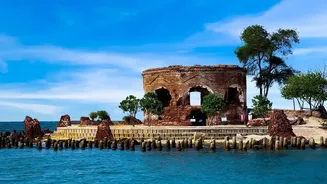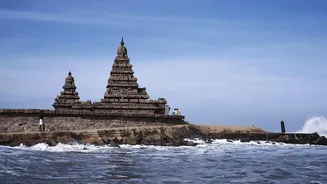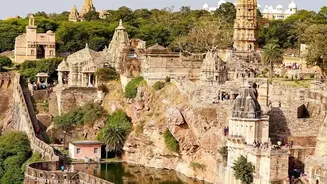




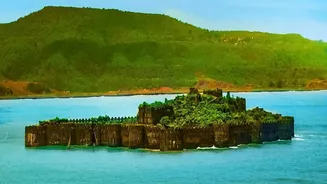

Dotting the Konkan coast like stone sentinels, the sea forts of Maharashtra are magnificent relics of a time defined by naval ambition and conflict. These bastions are now finding a new purpose as treasured windows into our shared past.
A Jewel of Maratha Naval Strategy
Among the most
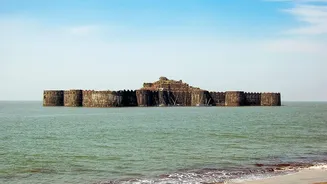
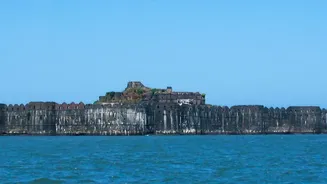
impressive of these coastal defences is the Sindhudurg Fort, a testament to the vision of Chhatrapati Shivaji Maharaj. Built in the 17th century on a low, rocky island off the coast of Malvan, its name literally means 'Fort of the Sea'. Its construction was a bold statement of Maratha sovereignty, designed specifically to counter the influence of European colonial powers and the Siddis of Janjira. Over a period of three years, thousands of workers and hundreds of Portuguese experts created a marvel of engineering, using over 4,000 mounds of iron and lead in its foundation to ensure its stability against the relentless waves of the Arabian Sea. The fort spans 48 acres, protected by ramparts that stretch for three kilometres, creating an imposing silhouette against the water.
An Impenetrable Design
The genius of Sindhudurg lies not just in its scale but in its strategic design. The main entrance was ingeniously concealed, making it nearly impossible for approaching enemies to locate and attack. This clever feature was crucial for a fortress that served as a major naval base for the Maratha Empire. Within its formidable walls, a self-sufficient world existed. The fort housed temples, including the only shrine in the country dedicated to Chhatrapati Shivaji Maharaj, built by his son Rajaram. It also contained palaces and residential quarters for a thriving population. This ability to sustain a community and military force made it a linchpin of coastal defence and a symbol of Maratha ingenuity.
The Unconquered Rival: Murud-Janjira
While Sindhudurg was a Maratha stronghold, another sea fort tells a different story: Murud-Janjira. Controlled by the Siddis, who traced their lineage to Abyssinia, Janjira is famously known as the unconquered fort. Despite numerous attempts by the Marathas, Portuguese, and British, its 40-foot-high walls never fell to an attacker. Originally a wooden structure built by local fishermen in the 15th century, it was transformed into an impregnable stone fortress by Malik Ambar of the Ahmadnagar Sultanate. Its 19 rounded bastions, still armed with rusting cannons, are a powerful reminder of its formidable past and its unique place in the history of coastal rivalries. In fact, the Marathas were compelled to build a rival fort, Padmadurg, nearby just to challenge Janjira's dominance.
From Bastions to Beacons of Tourism
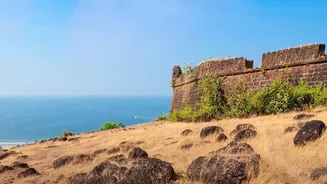
Today, these magnificent structures are at the heart of Maharashtra's push for heritage tourism. Tourists arrive by ferry, crossing the same waters that once carried warships, to walk the ancient ramparts and soak in panoramic views of the Arabian Sea. The experience offers a direct connection to history, from the preserved handprints and footprints of Shivaji Maharaj at Sindhudurg to the massive cannons still in place at Janjira. These forts are no longer just military relics; they are vibrant cultural destinations that attract history enthusiasts, photographers, and travellers seeking unique experiences. However, their new role comes with the challenge of preservation, balancing tourist footfall with the need to protect these fragile structures from further decay.
A Statewide Vision for Fort Conservation
Recognizing the immense value of this heritage, the Maharashtra government has initiated comprehensive plans for the conservation and promotion of its forts. With hundreds of forts across the state, many of them unprotected, the task is enormous. The plan involves developing basic amenities for tourists, such as better access roads, information centres, and guided tours, while ensuring the historical integrity of the sites is maintained. By creating Destination Management Organisations and exploring Public–Private Partnerships (PPP), the government aims to create a sustainable model for tourism that benefits local communities and preserves these monuments for future generations. The vision is to transform these coastal defences into a world–class heritage trail, celebrating Maharashtra's glorious legacy.