


Jamun: The Monsoon Marvel
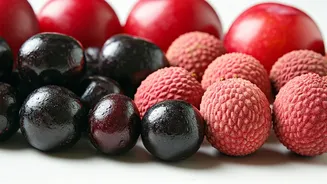
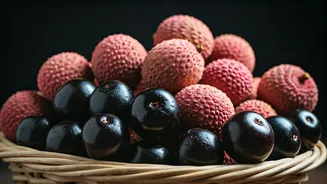
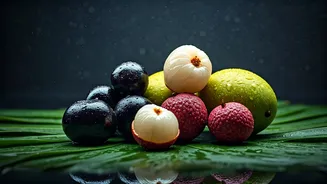
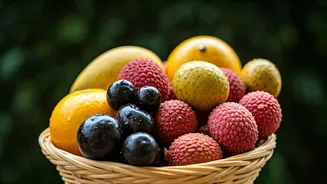
The quintessential monsoon fruit, Jamun (or Java Plum) is a deep purple gem that signals the arrival of the rains. Its unique sweet, sour, and astringent taste is a seasonal favourite across India. But beyond its distinct flavour, Jamun is a nutritional
powerhouse perfectly suited for the season. It is particularly known for its benefits in managing blood sugar levels. Rich in antioxidants like anthocyanins, Jamun helps protect the body's cells from damage. It's also an excellent source of Vitamin C and iron, which work together to boost haemoglobin levels and strengthen the immune system against common monsoon ailments like colds and flu. Furthermore, Jamun aids digestion and has diuretic properties, helping to flush toxins from the body. Its anti-inflammatory and antibacterial properties make it a great addition to your diet for overall wellness during the humid months.
Lychee: The Hydration Hero
Though their season begins to wind down in July, sweet, fragrant lychees are still a delightful treat to grab. These translucent white jewels are not just delicious; they are incredibly hydrating, which is beneficial during the humid monsoon weather. Lychees are packed with Vitamin C, a powerful antioxidant that is crucial for a robust immune system and can help the body resist infections. They also contain beneficial plant compounds called polyphenols, which have antioxidant and anti-inflammatory properties. The potassium in lychees contributes to heart health by helping to regulate blood pressure. With their high water content and essential nutrients, lychees are a refreshing way to support your skin health and stay energised.
Plums (Aloo Bukhara): The Fibre-Rich Friend
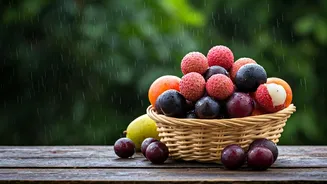
The sight of vibrant red and purple plums, or Aloo Bukhara, is a common one in July markets. This juicy stone fruit is celebrated for its impressive dietary fibre content, which is excellent for promoting digestive health and preventing constipation—a common issue for some during seasonal changes. Plums are also loaded with antioxidants, such as phenols, which help protect the body against cell damage and reduce inflammation. They are a good source of Vitamin C, which supports the immune system and helps the body absorb iron. Regular consumption of plums may also contribute to better heart health by helping to manage blood pressure and cholesterol levels. Their low glycemic index makes them a sweet treat that doesn't cause sharp spikes in blood sugar.
Peaches (Aadoo): The Skin-Soothing Star
Soft, fuzzy, and incredibly juicy, peaches are a delightful monsoon fruit that offers a wealth of health benefits, especially for your skin. Peaches are rich in Vitamin C, which is essential for producing collagen, a protein that gives skin its elasticity and youthful appearance. They are also a great source of Vitamin A, which supports vision and immune function. The combination of these vitamins and other antioxidants helps protect the skin from damage caused by free radicals and humidity. Peaches also provide dietary fibre, aiding in digestion and helping you feel full and satisfied. With a high water content of nearly 90%, they are another excellent choice for staying hydrated and refreshed throughout the day.
Cherries: The Antioxidant Powerhouse
Bright red cherries are a cheerful addition to any July fruit basket. While they are enjoyed for their sweet and sometimes tart flavour, they are also one of the most antioxidant-rich fruits available. Cherries are packed with compounds like anthocyanins and flavonoids, which have powerful anti-inflammatory effects and can help protect against chronic diseases. These properties may help reduce symptoms of arthritis and gout. Cherries are also one of the few natural food sources of melatonin, a hormone that helps regulate sleep-wake cycles, making them a great evening snack to promote restful sleep. Furthermore, the potassium and polyphenols in cherries support heart health by helping to manage blood pressure and reduce inflammation.