

The Monsoon Treasure Hunt
Across the country, from the dense forests of the Western Ghats to the Himalayan foothills, the monsoon transforms the landscape into a forager's paradise. This isn't a new phenomenon; indigenous communities have relied on generational knowledge for centuries
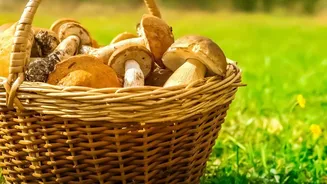
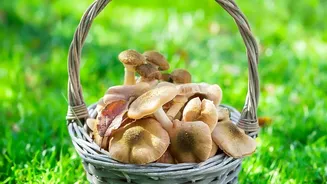
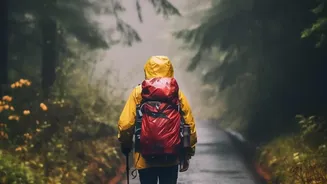
to identify and harvest these seasonal delicacies. In states like Goa, Maharashtra, Jharkhand, and Uttarakhand, local people, particularly tribal women and children, venture into the damp forests at the crack of dawn. They are in search of fungi that cannot be cultivated, appearing as if by magic after heavy rains or thunderstorms. The air is thick with the scent of wet earth as they scan the forest floor, the base of trees, and termite mounds for these prized growths. This intimate knowledge of the land—knowing which mushrooms are edible and which are poisonous—is a tradition passed down through generations.
A Bounty of Wild Flavours
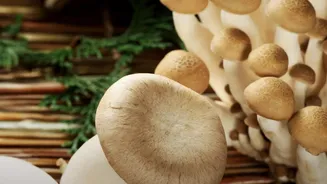
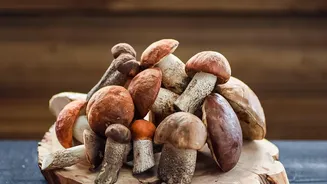
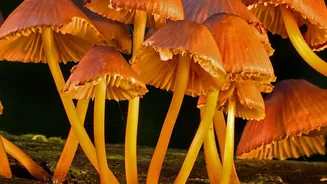
The diversity of India’s wild mushrooms is staggering. In Goa, the star is the 'Olmi' or 'Alami', a species of Termitomyces that grows exclusively on or near termite hills, considered sacred by many. These have a meaty texture and are a monsoon staple in Goan households, often cooked into a rich xacuti or a simple chilli-fry. In the forests of Jharkhand, tribal communities forage for 'Rugda', a round, pebble-like mushroom with a tough exterior and a soft centre, often called 'vegetarian mutton'. High in the mountains of Himachal Pradesh and Kashmir, villagers hunt for the elusive and highly prized 'Gucchi' or Morel mushroom. With its unique, honeycomb-like cap and deep, earthy flavour, Gucchi is one of the most expensive mushrooms in the world, often selling for tens of thousands of rupees per kilogram.
From Forest Floor to Gourmet Plate
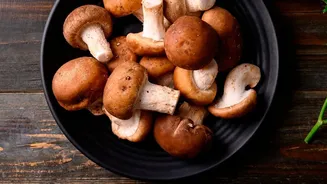
The journey of these mushrooms from the forest to the kitchen is a celebration of culinary creativity. Traditionally, they are prepared using simple, regional recipes that highlight their unique flavours. In the Konkan region, Olmi mushrooms are often cooked in coconut-based curries or simply pan-fried with rava. In Jharkhand, Rugda is used to make a hearty curry eaten with rice. But the craze is no longer confined to rural kitchens. A new generation of chefs and food enthusiasts is embracing this wild bounty. Upscale restaurants in cities are featuring foraged mushrooms on their seasonal menus, and culinary tours are emerging, offering guided walks where participants can learn to identify, forage, and cook their own mushrooms. This growing interest is also fuelled by social media, where stunning images of foraged hauls and creative dishes inspire others to connect with their local food systems.
The Forager's Responsibility
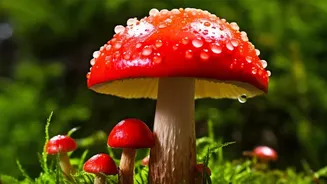
With growing popularity comes a crucial responsibility. The adage for any forager is stark: when in doubt, throw it out. Distinguishing edible mushrooms from their toxic look-alikes requires expert knowledge, as a mistake can be lethal. Aspiring foragers are strongly advised to go with experienced local guides or join organized walks led by mycologists. Beyond personal safety, there is the question of ecological balance. Over-harvesting, especially of species like the Termitomyces in Goa, threatens the delicate forest ecosystem. Termites and these mushrooms share a symbiotic relationship that is vital for forest health, and indiscriminate picking can cause long-term damage. In fact, the Goan government has placed restrictions on harvesting in protected forest areas to prevent this. Sustainable foraging—taking only what you need and leaving the habitat undisturbed—is essential to ensuring this monsoon tradition continues for generations to come.