





More Than Just a Cup
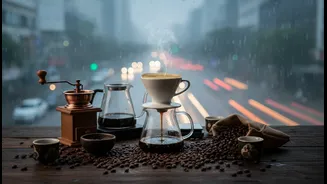
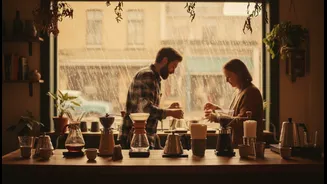
Imagine walking into a room filled with the earthy, spicy aroma of freshly brewed coffee, mingling with the scent of rain outside. This is the setting for an interactive monsoon tasting session, a growing trend among India’s single-origin coffee roasters.
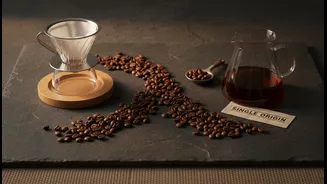
Unlike a typical café visit, these events are immersive. Participants are guided by expert roasters, learning to identify the unique tasting notes of monsooned coffee. They might compare a ‘Monsoon Malabar’ with a standard washed bean from the same estate, feeling the difference in texture and aroma. The focus is on discovery—training your palate to detect notes of chocolate, nuts, and spice, with a distinct low acidity that defines this style of bean. It's a hands-on experience that transforms passive consumption into active engagement, making the story of the coffee as important as the taste itself.
A Taste of History
The star of these sessions is often the famed Monsoon Malabar, a coffee with a story as rich as its flavour. Its origin is a tale of happy accident. During the British Raj, coffee beans shipped from India to Europe on wooden sailing vessels spent months exposed to the humid, salty sea air. By the time they reached their destination, the beans had swelled, turned a pale gold, and lost their acidity, developing a heavy-bodied, mellow flavour that Europeans grew to love. When faster, steel-hulled ships and the Suez Canal cut down travel time, this accidental ageing process stopped. The European market, missing its unique Indian coffee, prompted producers to find a way to replicate the effect. Today, the 'monsooning' process is deliberate: high-grade beans are spread in well-ventilated warehouses along the Malabar coast for several weeks during the monsoon season, allowing the moisture-laden winds to work their magic. This unique process has earned Monsoon Malabar a Geographical Indication (GI) tag, protecting its heritage.
Brewing Emotional Connections
There's a science to why these tasting sessions are so effective at building loyalty. Scent and taste are powerfully linked to memory and emotion. By creating a multi-sensory experience, roasters aren't just selling coffee; they're creating lasting memories. When a customer learns the unique history of a bean and can identify its specific flavour profile, they form a personal connection to it. This educational approach demystifies the world of specialty coffee, which can often feel intimidating with its complex vocabulary. An interactive tasting makes concepts like 'body', 'acidity', and 'tasting notes' accessible and fun. This shared experience fosters a sense of being an insider, turning a simple preference for a coffee into a genuine passion and a deeper appreciation for the craft.
From Customers to Community
In a competitive market, single-origin roasters thrive by building a loyal following. Interactive sessions are a powerful tool for community building. They transform the roastery or café from a transactional space into a social hub where enthusiasts can connect with each other and with the creators behind the brand. Putting a face to the brand—the roaster who can passionately explain the journey of the beans from a specific estate in Coorg or Chikmagalur to the cup—fosters trust and authenticity. This direct engagement allows customers to ask questions, share feedback, and feel like part of the brand’s story. This is a significant shift from the anonymous experience of buying from a large, commercial brand. For small-batch roasters, this community becomes their most powerful marketing asset.
The Authenticity Advantage
Ultimately, the success of monsoon tasting sessions lies in their authenticity. Single-origin coffee's entire value proposition is built on traceability and terroir—the idea that a coffee reflects its specific place of origin. These events are the perfect stage to showcase that. They highlight what makes Indian coffee, and specifically a bean like Monsoon Malabar, unique in the world. As the Indian specialty coffee market continues its rapid growth, driven by younger consumers who value provenance and experience, this strategy resonates deeply. It allows roasters to differentiate themselves not on price, but on story, quality, and connection. They aren't just selling a product; they are curating a cultural experience that celebrates a unique piece of India's agricultural heritage.