




The Viral Food Dilemma
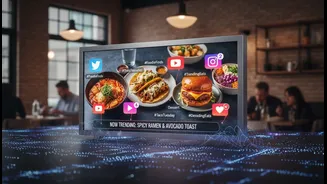
The social-to-menu gap is the delay between a food item becoming a viral sensation online and its appearance on a restaurant's menu, ready to be ordered. In an era where Instagram and TikTok have become powerful food discovery engines, this gap represents
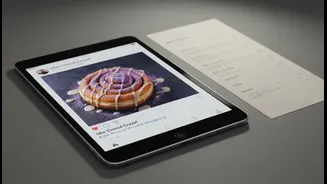
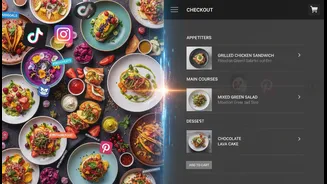
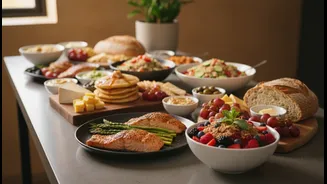
a critical missed opportunity for businesses. For many urban consumers, especially Gen Z, the decision of what to eat is now made while scrolling through short-form videos. A dish’s visual appeal—its colour, texture, and 'gram-worthy' presentation—can generate immense demand overnight. This has transformed restaurants from just food businesses into content businesses, where the first question is often not about authenticity, but whether a dish will make someone stop scrolling. The pressure is on to bridge this gap, but it's a race against digital time and physical-world limitations.
The Unforgiving Speed of Trend Cycles
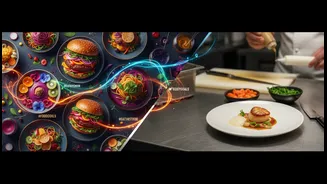
A key challenge for restaurants is the breathtaking speed and short lifespan of social media food trends. A dish can go viral one week and be completely forgotten the next, making any investment in it a significant gamble. One month, the craze might be for oversized and experimental dishes like giant burgers or fusion chaats designed to look shocking on camera; the next, it could be for aesthetic, wellness-focused meals like smoothie bowls and high-protein salads. This volatility makes it incredibly difficult for businesses to plan. Recreating a dish based on a 30-second video is a process of trial and error, forcing chefs to reverse-engineer flavours and techniques with no guarantee that the trend will last long enough to justify the effort. This rapid cycle puts immense pressure on kitchens to innovate at the speed of a scroll, a pace that the traditional food industry is not built for.
Why Kitchens Can't Just 'Add to Cart'
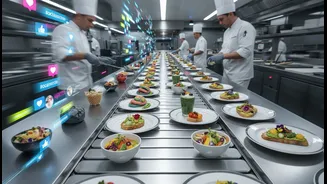
The “menu speed” component is perhaps the most significant hurdle. For a restaurant, adding a new item is a complex operational process that goes far beyond a chef’s creativity. It involves meticulous menu engineering, including food costing to ensure profitability, sourcing reliable suppliers for new ingredients, and standardising recipes for consistency across all orders and outlets. Staff, from chefs to servers, must be trained on preparation and presentation. For large chains, this logistical maze can take months, from initial R&D to a nationwide rollout. By the time a dish is approved, the trend it was meant to capitalise on may already be history. This operational reality is the friction that slows restaurants down, creating a gap that agile competitors, like smaller independent cafes or cloud kitchens, are often quicker to fill.
Decoding What the Customer Really Wants
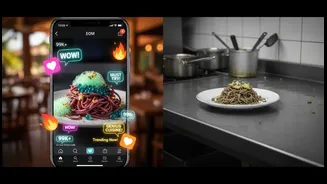
While social media buzz creates initial interest, translating it into sustained sales requires a deep understanding of consumer demand. Indian consumers, particularly millennials and Gen Z, are adventurous and eager to experiment. A viral dish often acts as a powerful marketing tool, drawing first-time customers who then explore the rest of the menu. However, there is a dark side to this 'camera eats first' culture. Many viral dishes are criticised for being overhyped, prioritising visual appeal over actual taste, quality, and portion balance. There is also a potential 'Say-Eat Gap,' where consumers express interest online but their actual purchasing behaviour doesn't always follow, especially if the price or experience doesn't match the hype. The demand is real, but it's nuanced; customers want novelty, but they also expect value and quality.