



The Big Picture: A Deceptive Forecast
The India Meteorological Department (IMD) has forecast a 'below-normal' monsoon for India as a whole during August, influenced by developing El Niño conditions. However, this national average masks a story of extreme regional variations. While some parts
of the country may experience drier spells, others are on high alert for heavy to extremely heavy rainfall. This makes checking local, specific forecasts more critical than ever. Several states are already grappling with intense downpours, flash flood warnings, and travel disruptions, a trend expected to continue through the mid-August holiday period.
High-Alert Zones: Where to Travel with Caution
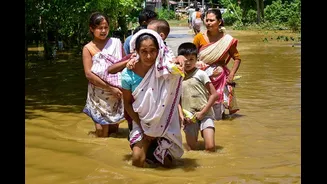
Several popular tourist regions are currently under watch for severe weather. The Northeast, particularly Assam, Meghalaya, and Arunachal Pradesh, is bracing for a fresh spell of heavy to very heavy rainfall, with risks of flash floods and landslides. In the south, states like Kerala and Karnataka have alerts in place for heavy showers, with several districts in Kerala already under an 'orange alert'. Along the west coast, the Konkan region, including Goa and hill stations in Maharashtra like Mahabaleshwar, is also expecting intense rain. Furthermore, a low-pressure system forming over the Bay of Bengal is predicted to bring heavy rainfall to eastern states like Odisha just ahead of Independence Day, prompting flood alerts.
Safer Bets for Your Holiday Weekend
For those seeking to avoid the worst of the rains, certain parts of the country offer a much safer and drier experience. The Himalayan rain-shadow regions of Leh-Ladakh and the Spiti Valley in Himachal Pradesh remain the most reliable destinations, as they receive minimal rainfall during the monsoon months and offer spectacular, clear views. Rajasthan is another excellent choice; cities like Udaipur, Jaipur, and Mount Abu are expected to experience pleasant weather with light showers, making them ideal for cultural and historical exploration without the threat of flooding. While some southern hill stations like Coorg and Ooty are beautiful in the monsoon, they are best visited with caution. These areas have better infrastructure to handle rain but are still susceptible to local disruptions.
The Smart Traveller’s Monsoon Checklist
Navigating the monsoon requires preparation. First, monitor the IMD website and local disaster management portals for real-time weather alerts for your specific destination. Second, if travelling by road, check the status of highways and interior roads, which are often the first to close due to landslides or waterlogging. Third, pack smart: include waterproof bags for electronics, quick-dry clothing, and sturdy, water-resistant footwear. Booking flexible or refundable flights and accommodations can provide a crucial safety net if plans need to change suddenly. Finally, always have a backup plan. Knowing your alternative routes or even being prepared to enjoy a relaxing staycation can save you from significant stress if the weather takes a turn for the worse.
Prioritising Safety Over Schedules
The allure of a long weekend trip is strong, but this year's weather patterns demand a flexible and safety-first mindset. Airlines and transport authorities have already issued advisories regarding potential disruptions, and it's wise to heed their warnings. In regions under 'orange' or 'red' alerts, which warn of very heavy rainfall and advise citizens to stay indoors, non-essential travel should be avoided. Remember that even in areas with moderate rainfall, reduced visibility and slick roads increase risks. A memorable holiday is one that is enjoyed safely, and a little extra planning this year will go a long way in ensuring your Independence Day weekend is relaxing for all the right reasons.