





From Heirloom to Centrepiece
In homes across India, a quiet revolution is taking place. Furniture that was once relegated to the attic or sold for scrap is now being viewed with new eyes. This is the heart of upcycling: not just restoring an item, but reimagining its potential. Unlike
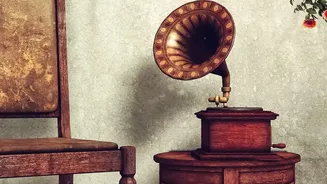
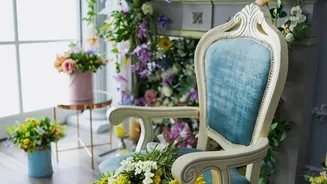
recycling, which breaks materials down, upcycling preserves the character of the original piece, adding value and a new chapter to its story. An old wooden door might become a dining table, a discarded steel almirah gets a colourful new look, or a grandmother's saree is woven into the upholstery of a statement chair. It's a creative process that transforms the forgotten into the fabulous, blending history with contemporary style.
Why Now? The Drivers of the Trend
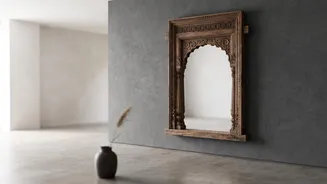
Several factors are fueling India’s love for upcycling. A growing environmental consciousness is making urban consumers wary of mass-produced, disposable goods. With India generating millions of tonnes of waste annually, upcycling offers a tangible way to reduce landfill pressure. But it's not just about sustainability. There's a strong emotional pull towards items with a personal history. Many are choosing to revive ancestral furniture, preserving a connection to their family's past while adapting pieces for modern living. This desire for uniqueness is a reaction against a market flooded with identical products; an upcycled piece is, by its nature, one-of-a-kind. It's a blend of eco-consciousness, nostalgia, and a quest for individual expression.
The New Generation of Artisans
This movement is being championed by a diverse group of creators. Professional design studios are making a name for themselves by transforming salvaged materials into high-end, sculptural furniture. Brands like ScrapShala and Rimagined have built entire businesses around turning waste into beautiful, functional home decor. At the same time, a vibrant DIY culture is booming. Driven by social media inspiration and a desire for hands-on creativity, people from all walks of life are attending workshops to learn the skills to transform their own furniture. These workshops teach everything from basic polishing and painting to more complex techniques like decoupage and stenciling, empowering individuals to become custodians of their own heritage.
More Than Just a Coat of Paint
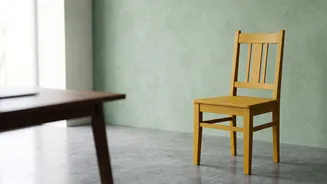
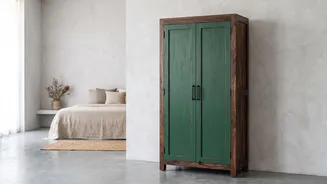
The art of upcycling goes far beyond simple repairs. It's about creative transformation. Craftsmen and DIY enthusiasts are exploring a wide array of techniques to give old pieces a new identity. Some appreciate the original wood grain, using special waxes or stains to highlight its natural beauty while adding modern elements. Others get bold with geometric patterns, vibrant colours, and fresh hardware to completely change a piece's personality. Traditional Indian textiles like old silk sarees are being repurposed into stunning upholstery, creating a rich, textural story. Even materials like old tyres and packaging crates are finding new life as quirky stools and unique decor items, proving that with a little imagination, almost anything can be transformed.
A Statement of Sustainable Style
Ultimately, the rise of upcycled furniture is a shift in mindset. It reflects a desire for homes that are not just stylish, but also soulful and sustainable. An upcycled piece tells a story; it has a past and a presence that mass-produced items lack. It’s a move away from transient trends towards creating personal, meaningful spaces that reflect individual values. This trend blends perfectly with other movements in Indian interior design, such as the appreciation for local craftsmanship and the integration of natural materials. By choosing to upcycle, people are making a conscious choice to honour history, foster creativity, and build a more sustainable future, one beautiful piece of furniture at a time.