
The Plant-Based Iron Problem
Iron is a vital mineral that helps transport oxygen throughout your body, keeping your energy levels up and your mind sharp. There are two types of dietary iron: heme and non-heme. Heme iron, found in animal products like meat and fish, is easily absorbed
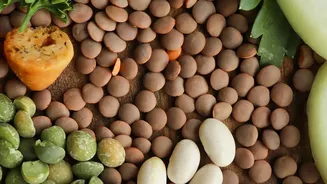
by the body. Plant-based foods like lentils, beans, spinach, and tofu, however, contain non-heme iron. This form is significantly harder for our bodies to absorb. The challenge is compounded by compounds called phytates and polyphenols, naturally present in grains, legumes, tea, and coffee, which bind to non-heme iron and block its absorption.
Vitamin C: The Key to Unlocking Iron
This is where Vitamin C, or ascorbic acid, works its magic. When you consume Vitamin C alongside a source of non-heme iron, it triggers a remarkable chemical reaction in your gut. Most plant-based iron exists in a form known as ferric iron (Fe³⁺), which is poorly absorbed. Vitamin C acts as a reducing agent, converting this ferric iron into ferrous iron (Fe²⁺). This ferrous form is the exact state that your intestinal cells are equipped to absorb. In essence, Vitamin C transforms the iron into a more bioavailable version, ensuring more of it enters your bloodstream instead of passing through your system unused.
Overcoming the Blockers
Beyond this crucial conversion, Vitamin C also plays a protective role. It forms a soluble complex with the iron in your stomach. This action helps shield the iron from the effects of absorption-inhibiting compounds like phytates and tannins. By keeping the iron soluble and protected, Vitamin C ensures it remains available for uptake as it moves into the alkaline environment of the small intestine, where most nutrient absorption occurs. This dual action makes it a powerful ally, especially in meals high in whole grains and legumes where inhibitors are most concentrated.
And What About Protein?
While the headline includes protein, the primary and most scientifically documented partnership is between Vitamin C and iron. The effect on protein bioavailability is more indirect. Plant-based proteins can sometimes be less digestible due to their structure and the presence of fibre and antinutrients like tannins and phytates, the same compounds that block iron. By helping to counteract some of these inhibitors, a diet rich in Vitamin C supports overall digestive efficiency. Some sources suggest pairing Vitamin C-rich foods with plant-based meals to improve nutrient uptake generally, but the direct, well-studied enhancement mechanism seen with iron does not apply in the same way to protein. The main benefit remains its profound impact on iron levels.
Smart Pairings for Your Plate
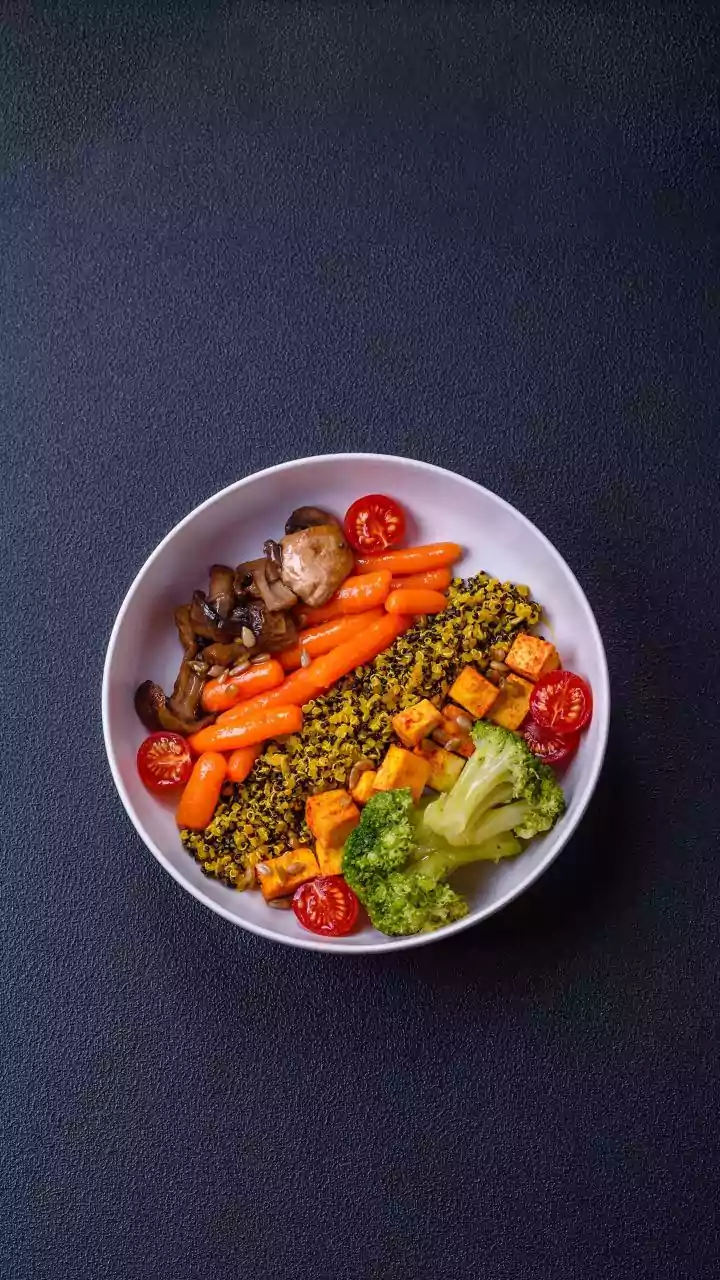
Putting this science into practice is simple and delicious. The key is to consume your iron and Vitamin C sources in the same meal. Just 50mg of Vitamin C—the amount in about half a bell pepper or a small orange—can significantly increase iron absorption. Here are some effective combinations: Lentil Soup with a Squeeze of Lemon: Lentils are packed with iron, and the lemon juice provides a fresh-tasting Vitamin C boost. Spinach Salad with Strawberries and Bell Peppers: While spinach contains iron, pairing it with vitamin-C-rich strawberries and peppers multiplies its benefit. Bean Burrito with Salsa: Beans are a great iron source, and the tomatoes in the salsa deliver the necessary Vitamin C. Tofu Stir-fry with Broccoli: Tofu provides the iron, while broccoli is an excellent source of Vitamin C. * Oatmeal with Berries: Fortified oatmeal is a good source of non-heme iron, and adding a handful of fresh berries tops it off with Vitamin C.