

The Soul of the Recipe
At the heart of Indian home cooking is a simple truth: a dish's identity comes from its core components, not a rigid list of ingredients. Think of it as a template rather than a strict formula. For a dal, the soul might be the specific lentil and the final
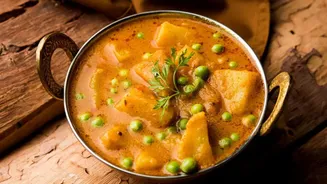
flourish of a 'tadka'—spices bloomed in hot ghee or oil. For a 'sabzi' or vegetable dish, it is often the foundational blend of onion, garlic, ginger, and a specific combination of powdered spices. Understanding this basic structure is the first step towards culinary freedom. It allows a cook to move beyond simply following a recipe to understanding how a dish is built. This knowledge empowers you to adapt, substitute, and create with confidence, making the recipe truly your own while honouring its traditional spirit. It’s a forgiving style of cooking where improvisation isn't just allowed; it's practically encouraged.
Dal: The Ultimate Canvas
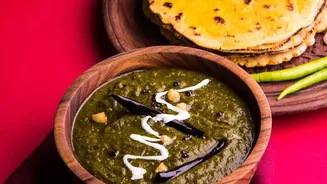
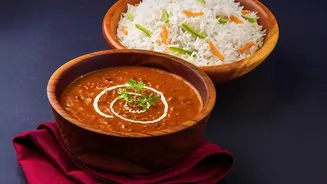
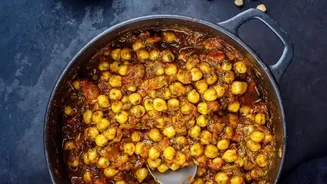
There is no better example of this flexibility than dal. It is a staple across the entire subcontinent, yet it transforms completely from one region to another. In Punjab, Dal Makhani is a rich, creamy affair, slow-cooked with whole urad dal, rajma, butter, and cream. Travel east to Bengal, and you'll find Cholar Dal, a sweet and savoury preparation of chana dal, often studded with coconut and raisins. In the south, toor dal forms the base of the tangy sambar, while in Gujarat, the same lentil is transformed into a sweet and sour delicacy. Even the everyday tadka dal changes with geography and season—some families use cumin and hing, others prefer mustard seeds and curry leaves. This incredible diversity shows that there is no single 'correct' way to make dal. The choice of lentil, souring agent (tomato, tamarind, kokum), and tempering spices are all variables that a home cook can and should play with.
Khichdi: Comfort in Every Form
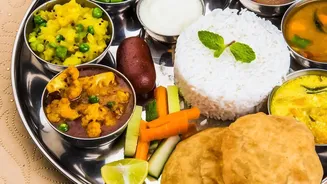
Khichdi, a humble mix of rice and lentils, is another dish that beautifully illustrates this principle of adaptability. Described as one of India's most ancient foods, its name comes from the Sanskrit word 'khiccā'. Archaeological evidence suggests it has been prepared for at least 2000 years. In its simplest form, made with moong dal and rice, it is a nourishing, easily digestible meal for someone who is unwell. But khichdi is far from one-dimensional. In West Bengal, 'khichuri' is a celebrated dish, especially during the monsoons. In Karnataka, it becomes the spicy and elaborate 'Bisi Bele Bath'. In Haryana, it's made with pearl millet (bajra) instead of rice. The Mughals elevated it to a gourmet level, while a popular saying celebrates its perfect companions: 'Khichdi ke chaar yaar—dahi, papad, ghee aur achaar' (Khichdi has four friends: yogurt, papad, ghee, and pickle). Each variation reflects local ingredients and cultural tastes, proving that a simple concept can have endless, delicious expressions.
Reclaiming 'Authenticity'
In an age of endless online recipes and cooking shows, there can be immense pressure to create 'authentic' dishes. But what does authenticity mean in the context of Indian home cooking? For generations, it has not meant rigid adherence to a single, documented recipe. Instead, it has been about adapting to what is available. This meant cooking with seasonal vegetables, substituting one lentil for another when stocks were low, or adjusting spice levels to suit the family’s palate. This flexibility is not a modern compromise; it is the tradition. Understanding that you can swap kasuri methi with celery leaves, or use onion and garlic powder when you're out of asafoetida (hing), is part of this legacy. The most authentic dish is not one that perfectly replicates a version from a cookbook, but one that is made with care, using the ingredients you have on hand, to create a meal that nourishes and satisfies.