







The Invisible Ingredient In Your Kitchen
For years, health-conscious consumers have focused on reading labels, choosing organic, and minimising processed foods. But startling new research reveals an almost unavoidable contaminant: microplastics. These tiny plastic particles, smaller than five
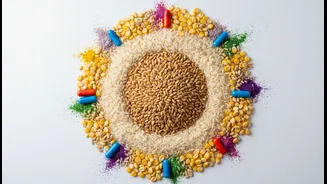
millimetres, have been detected in a vast array of daily staples. Studies have found them in about 90% of table salt brands globally, with sea salt being the most contaminated. The issue extends to other pantry essentials, with researchers finding microplastics in rice, sugar, and even fruits and vegetables. This discovery shifts the conversation from what we intentionally put into our bodies to the invisible ingredients we are consuming by default. The average person may ingest thousands of these particles annually from these staples alone, forcing a major re-evaluation of food purity.
How Plastics End Up On Our Plates
Microplastics are not just a problem of ocean pollution affecting seafood. Agricultural land is now considered a major reservoir, with some estimates suggesting farmland soils contain significantly more plastic than the oceans. These particles come from various sources, including the breakdown of plastic mulch films used in farming, irrigation with contaminated water, and even fertilisers derived from sewage sludge. From the soil, these tiny particles can be absorbed by plants. Studies have demonstrated that particles can enter a plant's root system and travel through its vascular tissue, ultimately ending up in the fruits and vegetables we eat, such as carrots, apples, and lettuce. Further contamination can occur during industrial processing and packaging, where food comes into contact with plastic equipment, conveyor belts, and containers.
Rethinking the Meaning of 'Clean'
The ubiquity of microplastics presents a fundamental challenge to the 'clean-eating' movement. This philosophy has traditionally centred on avoiding chemical pesticides and genetic modification, but it now must contend with a pollutant that is widespread and much harder to control. The presence of microplastics in organic produce highlights the scale of the problem; airborne particles and contaminated water sources mean that even sustainable farming practices are not entirely immune. While the full, long-term health impacts of ingesting microplastics are still being investigated, preliminary research is concerning. Studies in animals and human cells link them to inflammation, oxidative stress, and disruption of the gut microbiome. Recently, researchers have also found strong associations between the presence of microplastics in human arteries and a higher risk of heart attack and stroke.
The Future of Food Sourcing
This growing alert is pushing experts to rethink food production from the ground up. The future of truly clean sourcing may depend less on consumer choices and more on systemic changes in agriculture and manufacturing. Innovations being explored include the development of fully biodegradable mulching films and plastic-free fertilisers. More robust filtering of water used for irrigation will also be critical. At the policy level, there are growing calls for tighter regulations on plastic use in agriculture and for manufacturers to take greater responsibility for the entire lifecycle of their plastic products. In India, the Food Safety and Standards Authority of India (FSSAI) has launched projects to study the extent of contamination and develop methods for detecting these particles in the food supply, signalling a move towards official safety standards.
What Consumers Can Do Now
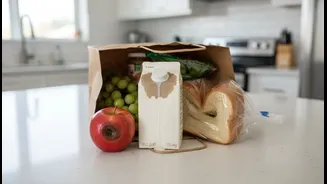
While it's impossible to eliminate exposure entirely, consumers can take practical steps to reduce their intake. Rinsing produce like rice thoroughly before cooking can reduce microplastic content by 20-40%. Opting for fresh, whole foods over highly processed and packaged alternatives can also help, as processing adds more opportunities for contamination. When possible, choosing food stored in glass or cardboard over plastic can make a difference. Similarly, using glass or stainless steel containers for food storage and heating, and drinking filtered tap water instead of bottled water are effective strategies. These individual actions, combined with growing public awareness, can help drive the larger industrial and policy changes needed for a truly cleaner food future.