






Your First and Best Resource
Before you even step out the door, your first port of call for transport advice should be your accommodation's front desk or your rental host. Why? They possess invaluable local knowledge. They know which taxi companies are reputable, what a fair price
looks like, and the common pitfalls that tourists face. This inside information is your first line of defence against overcharging and unlicensed, potentially unsafe vehicles. Hotels and established hosts often have partnerships with trusted local drivers or services. By booking through them, you are not just hailing a random cab; you are using a service that is accountable to your accommodation. This provides a significant layer of security and peace of mind, especially in an unfamiliar city.
The Right Questions to Ask
Simply asking for a taxi isn't enough. To ensure a smooth journey, you need to be specific. Start by asking for a recommendation for a reliable and licensed taxi service. Then, inquire about the estimated cost for the trip from the market back to your lodging. This gives you a baseline and helps prevent drivers from taking a deliberately long route or inflating the price upon arrival. Ask if they can pre-book the ride for you or provide the phone number of a trusted company. Some hotels may even have a dedicated shuttle service that runs to popular areas. It is also wise to ask about payment methods; knowing whether a service accepts credit cards or requires small bills in local currency can prevent awkward situations later. Having these details sorted out beforehand eliminates much of the stress and uncertainty.
Understanding Your Options
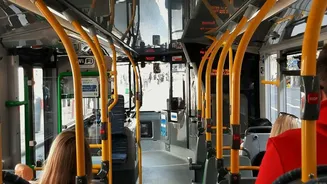
Your host will likely suggest one of several options. A traditional, licensed taxi is often a reliable choice, particularly in cities where they are regulated and use a meter. Make sure to confirm that the driver will use the meter before you get in. Another option is a pre-booked car service, which can offer a fixed price and the comfort of knowing your ride is confirmed. In many places, ride-sharing apps like Uber or Lyft are prevalent. These can be convenient due to in-app payment and route tracking, but be aware of surge pricing during busy times. Your host can advise if these services are reliable and safe to use in the area. For shorter distances or less crowded routes, public transportation might be a viable and cost-effective alternative, and your accommodation can provide guidance on the best routes and how to pay fares.
The Dangers of Winging It
The alternative to planning ahead is hailing a vehicle on the street outside a busy market. This approach, while spontaneous, carries risks. Unmarked or unofficial taxis are a common problem in many tourist destinations, and their drivers may not be licensed or insured. These situations are where tourists are most vulnerable to scams, such as exorbitant flat-rate fares, broken meters, or being taken on a needlessly long "scenic route" to drive up the cost. In more serious cases, it can pose a safety risk. By taking a few minutes to consult your accommodation, you bypass these potential issues entirely. You trade a moment of uncertainty on a chaotic street corner for the security of a vetted and reliable ride.