




Alentejo: The Soul of the Land
Known as Portugal's breadbasket, the Alentejo region is a vast, sun-drenched landscape of rolling plains, cork oaks, and olive groves. The cuisine here is rustic, hearty, and deeply connected to the land. A star ingredient is 'porco preto', the black
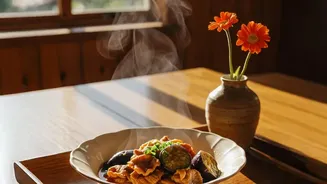
Iberian pig that often roams freely, feasting on acorns, which gives its meat a unique, nutty flavour. You'll find it in cured hams, sausages, and as a main course, often grilled or slow-cooked until meltingly tender. Bread is fundamental to Alentejan cooking, and no trip is complete without trying 'migas' or 'açorda'. Migas is a savoury dish made from day-old bread, fried with garlic, olive oil, and sometimes pork, while açorda is a flavourful bread soup, often enriched with garlic, coriander, and a poached egg. For a true farm-to-table experience, consider staying at a 'herdade' (a large agricultural estate) where you can enjoy meals made with ingredients grown just steps from your room.
Serra da Estrela: Mountains of Flavour
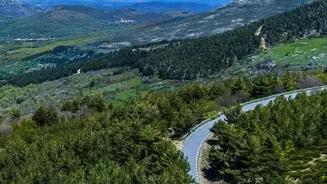
The mountainous Beiras region is home to Portugal's most famous cheese, 'Queijo da Serra da Estrela'. This protected-origin cheese is made from the milk of Bordaleira sheep and coagulated using thistle flower, an ancient technique that imparts a unique flavour. When young, the cheese is so soft and creamy it can be scooped with a spoon; as it ages, it becomes firmer and more sliceable. A visit to this region offers the chance to see the cheesemaking process firsthand at a local 'queijaria' or farm, often including a tasting of the buttery cheese with regional bread and honey. Beyond cheese, the mountain cuisine is robust, featuring dishes like 'chanfana' (old goat slow-cooked in red wine), lamb stew ('ensopado de borrego'), and a variety of cured meats ('enchidos').
Douro Valley: A Taste of the Vineyards
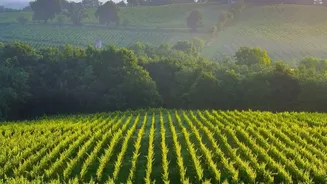
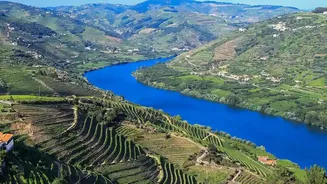
The dramatic, terraced hillsides of the Douro Valley, the world's oldest demarcated wine region, are synonymous with Port wine. However, the area also produces excellent non-fortified red and white wines. The ultimate food experience here involves a visit to a 'quinta', the Portuguese term for a wine estate. Many quintas offer guided tours of their vineyards and cellars, followed by comprehensive tastings. Some of the best experiences pair these tastings with a traditional lunch, where regional dishes are served overlooking the stunning Douro River. These meals often feature local ingredients from the estate's own garden. To complete the experience, consider a river cruise on a traditional 'rabelo' boat, which were once used to transport barrels of Port downriver to Porto.
Essential Countryside Experiences
Across rural Portugal, authentic culinary encounters await. Visiting a local 'mercado' (market) is a must. Here, you will find farmers selling seasonal produce, fresh-baked bread, local cheeses, and homemade preserves. It’s a vibrant window into the local food culture. Another cornerstone of Portuguese cuisine is high-quality olive oil ('azeite'). Many rural areas, particularly in Alentejo and Beira Interior, have olive groves that are centuries old. Some producers offer tours and tastings, allowing you to learn about the harvesting and pressing process and sample the fresh, peppery oil. Finally, don't shy away from the small, family-run taverns ('tascas') in villages. This is where you'll find 'petiscos', the Portuguese equivalent of tapas, and simple, delicious daily specials that offer a true taste of home-cooked Portuguese food.