





The Glass Trick for Effortless Peeling
If you've spent years painstakingly peeling a mango with a vegetable peeler only to be left with a slippery, mangled mess, this one’s for you. The glass trick is a game-changer that has rightfully earned its viral status. Start by slicing the two fleshy
“cheeks” off the long, flat pit. Hold one cheek in your hand and grab a sturdy drinking glass (a pint glass works perfectly). Press the base of the mango cheek against the rim of the glass, with the skin on the outside and the flesh on the inside. Push down firmly, following the curve of the fruit. The glass rim will neatly separate the flesh from the skin, leaving you with a perfectly peeled, intact mango cheek in the glass. It’s fast, incredibly effective, and requires zero knife skills beyond the initial cut.
Master the 'Hedgehog' for Perfect Cubes
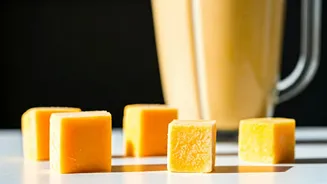
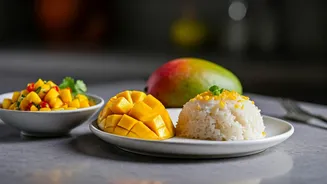
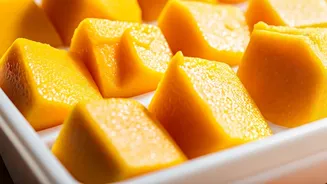
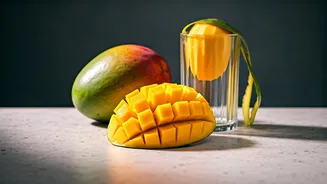
The “hedgehog” method is a classic for a reason: it’s the best way to get bite-sized mango cubes for snacking, fruit salads, or salsas with minimal fuss. After slicing off the cheeks, take one and place it skin-side down in your palm. Using a small paring knife, carefully score the flesh in a grid pattern, making sure not to cut through the skin. You can make the squares as big or small as you like. Once scored, gently press on the back of the skin to invert the cheek. The cubes will pop outward, resembling the quills of a hedgehog. From here, you can either eat them directly off the skin or slice them off with your knife into a bowl. It’s a visually appealing and practical way to serve mango to kids and adults alike.
The Paper Bag Ripening Secret
Perhaps the most frustrating part of mango season is bringing home a beautiful-looking fruit only to find it’s rock-hard and flavorless. The internet’s favorite “hack” for this is actually a time-tested technique. To speed up the ripening process, place your underripe mangoes in a paper bag and fold it closed. Mangoes, like bananas and avocados, release ethylene gas, a natural plant hormone that triggers ripening. The paper bag traps this gas, concentrating it around the fruit and accelerating the process. For an extra boost, add a banana or an apple to the bag, as they are prolific ethylene producers. Leave it on your counter for a day or two, checking daily. You’ll know it’s ready when it has a slight give when gently squeezed and smells sweet and fragrant near the stem.
Create a 'Mango Rose' for a Wow Factor
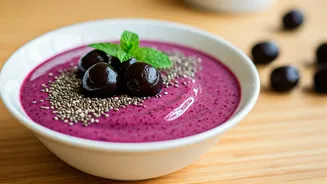
For those moments when you want to feel a little fancy, the mango rose is the ultimate presentation hack. It turns a simple fruit into an elegant garnish for smoothie bowls, oatmeal, yogurt parfaits, or desserts. This works best with a very ripe, non-fibrous mango variety like Ataulfo or Honey. First, peel the entire mango. Stand it upright on a cutting board and, using a sharp knife, carefully slice very thin, uniform pieces off and around the pit. The slices should be pliable. To assemble, take one of the smaller inner slices and roll it into a tight coil to form the center of the rose. Then, begin layering the larger slices around it, overlapping them slightly and fanning them outward to create “petals.” It takes a bit of practice, but the stunning result is well worth the effort.
The Viral Chili-Lime Salt Upgrade
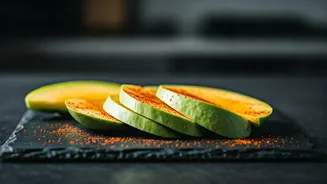
This isn't a cutting hack, but a flavor hack that has exploded across social media—and for good reason. The combination of sweet, juicy mango with a spicy, tangy, and salty seasoning is a taste sensation popular in Latin American and Southeast Asian street food culture. It’s incredibly easy to replicate at home. Simply slice or cube your ripe mango and sprinkle it generously with a mixture of chili powder, a pinch of salt, and a fresh squeeze of lime juice. Brands like Tajín offer a pre-made chili-lime seasoning that works perfectly, but you can also make your own by mixing your favorite chili powder (like ancho or chipotle for a smoky kick) with flaky sea salt. The contrast between the sweet fruit and the zesty, savory spice is addictively delicious.