

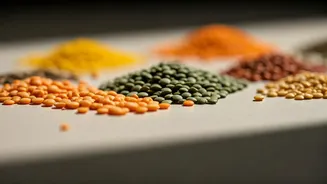


The Golden Rule: Always Choose Unpolished
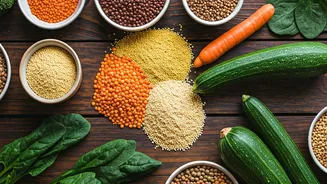
Here is the single most important rule for buying better millets and lentils: always choose unpolished varieties. For decades, consumers have been drawn to shiny, perfectly uniform grains, believing that a glossy appearance equals quality. However, the opposite
is true. Unpolished dals and millets are those that retain their natural outer layers. Polished versions, on the other hand, have been processed to remove these layers, primarily for cosmetic appeal and a longer, though less nutritious, shelf life. This polishing process is the critical difference between getting a mouthful of nutrients versus empty carbohydrates. Making the switch to unpolished grains is the most impactful change you can make in your grocery aisle.
Why Shinier Isn't Better
The polishing process, which makes dals look bright and shiny, is incredibly deceptive. This process strips away the bran and germ of the grain, which is where most of the essential nutrients are stored. What gets lost is significant: a large portion of the dietary fibre, iron, magnesium, and other vital minerals. For dals, polishing removes the natural fibre that aids digestion and helps manage blood sugar levels. In fact, some processors use marble powder, soapstone, or oil to achieve that uniform shine, which can introduce unwanted residues. According to the Food Safety and Standards Authority of India (FSSAI), this processing can lower the nutritional value of the pulses. So while that glistening packet of dal might look clean and premium, it has been stripped of the very goodness you're buying it for.
Your Guide to Identifying Quality Grains
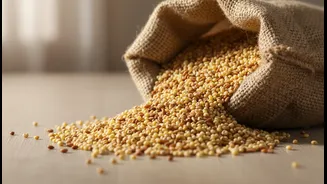
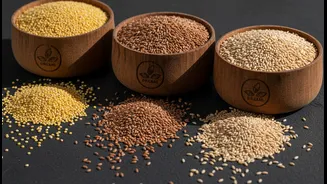
Distinguishing between polished and unpolished grains is easier than you think once you know what to look for. Unpolished dals and millets have a dull, matte, and sometimes slightly rough appearance. They often lack the uniform colour and perfect shape of their polished counterparts. The edges might be sharper as they haven't been machine-tumbled into a smooth finish. A simple test you can perform at home is to take a handful of dal and wash it in a bowl of water. If the water quickly becomes cloudy or turbid, it's a sign that the dal was polished with powder or other agents. Natural, unpolished dals will leave the water relatively clear. This small visual check can make a huge difference to your health.
Decoding the Label Like a Pro
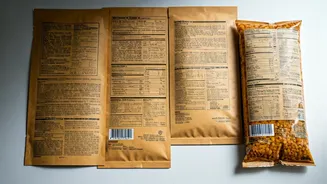
Beyond the polish, the packaging itself holds vital clues. Get into the habit of reading the labels carefully. First, always look for the FSSAI license number, which indicates the brand is registered and compliant with food safety regulations. Next, check the manufacturing and packing date. Millets and lentils, especially their flours, lose their freshness and can become susceptible to pests over time, so newer is always better. Look for explicit terms like 'unpolished', 'whole', or 'minimally processed'. Brands that offer unpolished products are usually proud to state it clearly on the packet. If the packaging is flimsy or the labels are incomplete, it could be a red flag for substandard quality.
Staying Safe from Common Adulterants
Adulteration remains a concern with loose grains. Common adulterants include dust, pebbles, and sometimes harmful chemical dyes used to make old stock look fresh. For instance, Metanil yellow, a non-permitted synthetic colour, is sometimes used to give dals a vibrant yellow hue. A simple home test prescribed by FSSAI can help detect artificial colours: add some grains to a transparent glass of water. Adulterated grains will start leaving a trail of colour in the water almost immediately, while natural grains will not. Similarly, spreading a small sample on a plate allows for a quick visual inspection for stones, dust, or other foreign matter. Buying from trusted, certified brands often minimizes these risks.
Keep It Fresh: The Final Step
Your job isn't over once you've bought high-quality millets and lentils. Proper storage is essential to maintain their nutritional value and prevent spoilage. The biggest enemies are moisture, heat, and pests. Once you open the packet, transfer the grains to a clean, dry, and airtight container. Glass jars are an excellent choice. Store these containers in a cool, dark place away from direct sunlight and any sources of moisture, like the area under your sink. This prevents the growth of mould, which can produce harmful toxins like aflatoxins, and keeps insects at bay. By storing them correctly, you ensure that the healthy choice you made at the store translates to a healthy meal on your plate.