





Muscle Growth: Is Plant Protein as Effective?
The primary concern for anyone using a protein powder is its effectiveness in repairing and building muscle. For years, whey was considered superior due to its 'complete' amino acid profile, particularly its high concentration of leucine, the key amino acid that
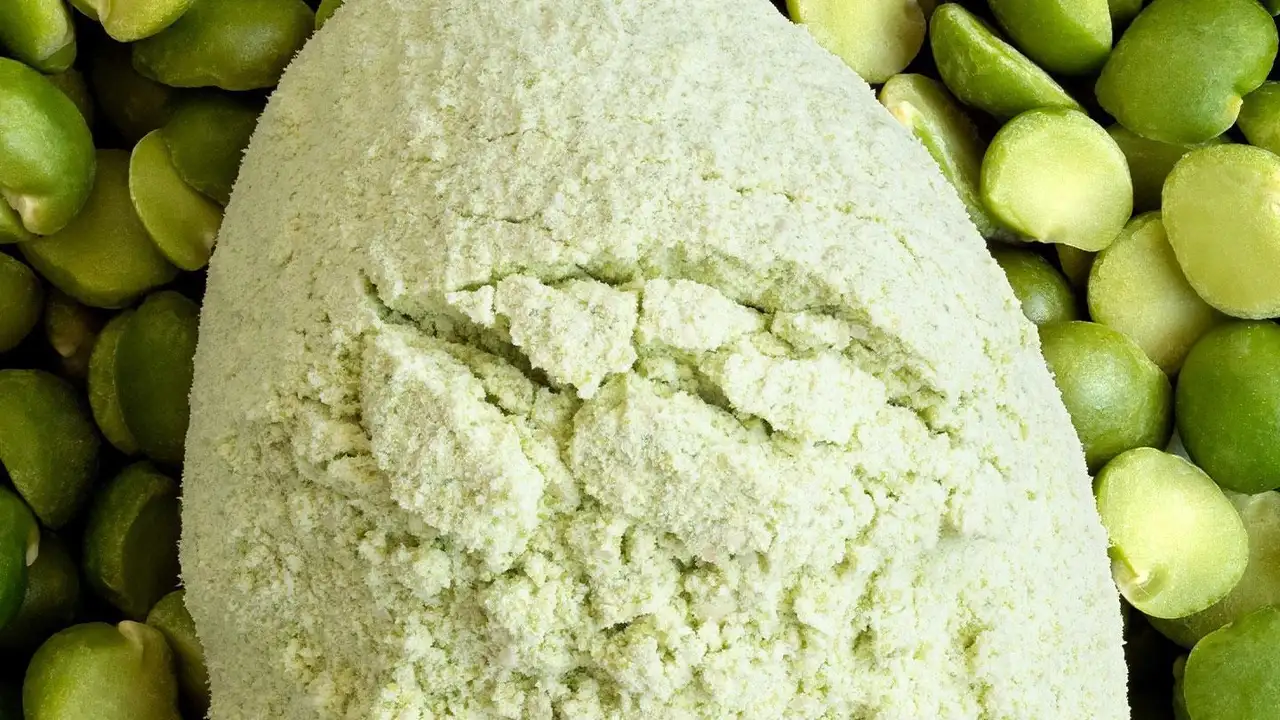
triggers muscle protein synthesis. However, modern science shows that plant-based proteins are equally effective at promoting muscle growth, provided they deliver a similar amount of protein and amino acids per serving. High-quality plant protein powders now use a blend of sources, such as pea and rice protein, to create a complete amino acid profile that rivals whey. Studies have demonstrated that as long as protein intake is consistent and sufficient (around 20-30 grams per serving), both plant and whey powders can produce similar gains in strength and muscle mass. The verdict is clear: you can absolutely build muscle effectively with plant-based protein.
The 'Clean' Factor: Digestion, Ingredients, and Additives
The term 'clean' isn't officially regulated, but for most consumers, it refers to simple, understandable ingredients without unnecessary additives. This is where plant-based proteins often shine. Many traditional whey powders contain artificial sweeteners, fillers, gums, and emulsifiers to improve taste and texture. For many, the biggest issue with whey is lactose, a milk sugar that can cause bloating, gas, and digestive discomfort, especially since many adults have a reduced ability to digest it. Plant-based proteins are naturally lactose-free, making them a gentler option for those with dairy sensitivities. While some plant proteins can contain anti-nutrients or compounds that may be hard for some to digest, modern processing methods often reduce these. Ultimately, a 'clean' powder is one with a short, transparent ingredient list, which is increasingly a focus for high-quality brands in both the plant and whey categories.
Nutritional and Environmental Perks
Beyond muscle synthesis, protein powders have a broader impact on health and the environment. Plant-based proteins typically contain more fiber than their whey counterparts, which aids digestion and promotes gut health. They are also naturally lower in saturated fat and cholesterol. From an environmental standpoint, the conversation is nuanced. Whey is a byproduct of cheese manufacturing, which means its production has a low carbon footprint if you don't count the dairy industry it stems from. However, when looking at the entire agricultural system, dairy production uses significantly more land and water and produces more greenhouse gases than cultivating peas or rice for protein. Over the long term, experts suggest that plant-based protein production is a more sustainable model as its environmental footprint is less sensitive to changes in demand.
Choosing the Right Protein for You
The choice between plant protein and whey is a personal one. Both can effectively help you meet your fitness goals. If you tolerate dairy well and are looking for a rapidly absorbing protein for immediate post-workout recovery, a high-quality whey isolate with minimal additives might be a great fit. However, if you experience digestive issues with dairy, prioritize a simpler ingredient list, or are concerned about the environmental impact of your food choices, a blended plant-based protein is an excellent and equally effective alternative. The best protein powder is ultimately the one you can take consistently without discomfort. Read the label, consider your body’s unique needs, and choose the option that aligns with your health goals and personal values.