





The Danger of a Damp Coat
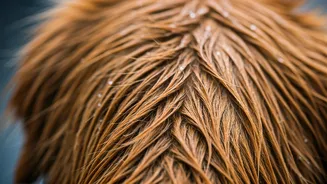
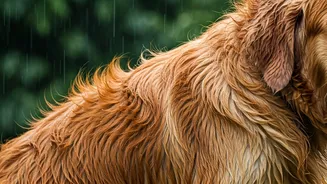
While a little rain may seem harmless, a persistently wet or damp coat is a primary cause of health issues during the monsoon. [5] The combination of moisture and humidity creates the perfect breeding ground for bacteria and fungi, leading to a host of skin
infections, hot spots, and unpleasant odours. [3, 6, 19] This is especially true for dogs with thick fur or skin folds, where moisture can get trapped easily. [6, 17] Keeping your pet's coat as dry as possible is the first and most crucial step in preventing discomfort and potential veterinary visits. [2, 11]
Mastering the Post-Walk Drying Ritual
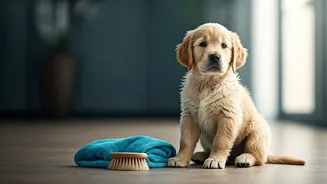
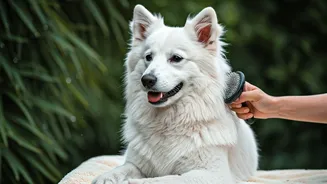
Every walk, no matter how short, can leave your pet damp. Make it a rule to thoroughly dry your pet the moment you return indoors. Start with a highly absorbent microfibre towel, paying close attention to the underbelly, armpits, and tail area. [2] For pets with thicker coats, a pet-friendly hairdryer on a low-heat setting can be a lifesaver, ensuring the fur is dry right down to the skin. [3] Brushing your pet's coat daily also helps to remove trapped moisture, dirt, and tangles, which can otherwise hold dampness against the skin. [2, 19]
Don't Forget the Paws
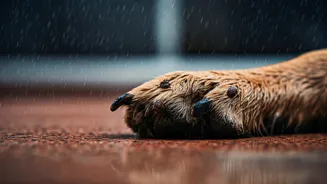
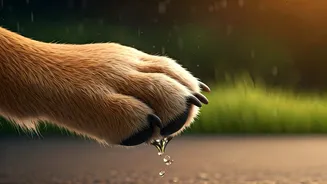
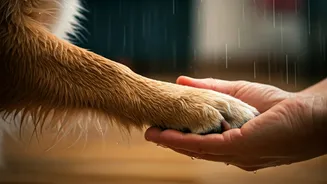
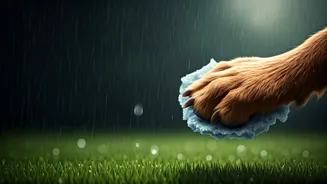
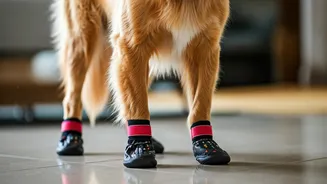
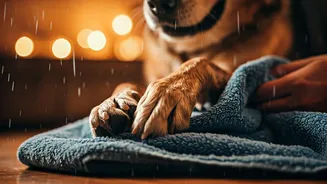
Paws are on the frontline during the monsoon, constantly in contact with muddy puddles and wet surfaces that can harbour harmful bacteria. [4, 11] This makes paw care non-negotiable. After every outing, wash your pet's paws with lukewarm water and wipe them clean. [2, 4] The most critical part is to dry them completely, especially the often-overlooked spaces between the toes where fungal infections love to start. [14, 18] Trimming the hair between the paw pads can also reduce the amount of mud and moisture they collect. [21]
Adjusting Diet and Hydration
The damp, cool weather can sometimes affect a pet's appetite and digestion. [4] It’s also a time when water-borne diseases are more common. [3, 21] Ensure your pet always has access to fresh, clean drinking water; boiling the water is a recommended precaution to eliminate contaminants. [3, 10] Avoid leaving wet or home-cooked food out for extended periods, as the high humidity can cause it to spoil quickly. [4] A balanced, fibre-rich diet can help keep their digestive system stable during this season. [10, 15]
Beating the Rainy-Day Blues
Shorter walks and less time outdoors can lead to boredom and pent-up energy. Keep your pet mentally and physically stimulated with indoor activities. [8] Games like indoor fetch with a soft toy, hide-and-seek with treats, or a session with a puzzle feeder can be great ways to burn energy. [7, 9, 12] You can also use this time for a fun training session to teach them a new trick or have a grooming session that doubles as bonding time. [9]
Creating a Safe and Clean Indoor Space
With pets spending more time inside, maintaining a clean home environment is key. Wash your pet's bedding more frequently to prevent moisture and fungal growth. [6, 20] Ensure their sleeping area is warm, dry, and well-ventilated. [10] Keeping a designated towel near the door can make post-walk wipe-downs a quick and easy habit to maintain. [5] These small steps contribute significantly to a hygienic and comfortable space for everyone.