





The moment temperatures drop, do you feel your skin getting tight, flaky, and uncomfortable? You're not alone. Cold outdoor air and dry indoor heat work together to strip moisture from your skin, leading to frustrating dry patches.
Understanding Winter's Effect on Your Skin
Before diving into solutions,
it helps to know why your skin changes so dramatically. Cold air holds less moisture than warm air. This low-humidity environment, combined with dry indoor heating, creates a perfect storm for dehydration. The dry air essentially pulls moisture directly from your skin through a process called transepidermal water loss, weakening your skin's protective barrier. A compromised barrier can't effectively lock in moisture or keep irritants out, leading to redness, itchiness, and that all-too-familiar tight feeling.
Switch to a Gentler Cleanser
That foaming cleanser you loved in the summer might be too harsh for the winter. Many cleansers are designed to remove oil, but in colder months, they can strip your skin of its natural lipids, worsening dryness. Opt for a cream, milk, or oil-based cleanser instead. These gentler formulas effectively remove impurities and makeup without disrupting your skin’s delicate moisture balance. Some experts even suggest skipping a morning cleanse altogether and simply rinsing with lukewarm water to preserve the natural oils your skin produced overnight.
Layer Hydration with Serums
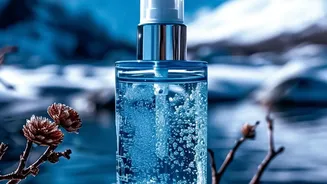
Think of winter skincare like layering your clothes for warmth. After cleansing, and while your skin is still slightly damp, apply a hydrating serum. This is where powerhouse ingredients called humectants come into play. Humectants, like hyaluronic acid and glycerin, are molecules that attract and bind water to the skin. Hyaluronic acid is famously able to hold up to 1,000 times its weight in water, providing a surge of hydration that plumps the skin and keeps it looking supple. Niacinamide is another excellent choice; it not only boosts moisture but also strengthens the skin barrier and calms redness.
Embrace a Richer Moisturiser
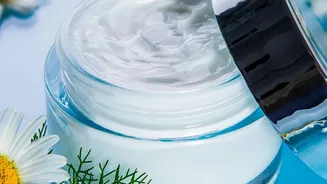
Your lightweight summer lotion likely won't be enough to protect your skin from winter's harsh conditions. Now is the time to upgrade to a thicker, richer cream. The goal is not just to add hydration but to seal it in. Look for moisturisers with ingredients like ceramides, shea butter, and squalane. Ceramides are lipids that naturally occur in your skin and help form its protective barrier. Emollients like shea butter and squalane soften the skin and create a protective layer that prevents moisture from escaping. Applying your moisturiser right after your serum will lock in all that hydrating goodness.
Adjust Your Exfoliation Habits
While exfoliation is important for removing dead skin cells, overdoing it in the winter can be detrimental. Harsh physical scrubs or strong chemical exfoliants can further compromise an already stressed skin barrier. Instead of stopping completely, consider reducing the frequency. If you typically exfoliate several times a week, try cutting back to just once. When you do exfoliate, use gentle, light circular motions rather than aggressive scrubbing. This will help keep your skin smooth without causing added irritation.
Don't Forget Sunscreen and Lifestyle Habits
It's a common myth that sunscreen is only for sunny summer days. UV rays are present yearround and can damage your skin even when it's cloudy. Continue to apply a broadspectrum sunscreen every morning as the final step in your routine. Beyond products, simple lifestyle changes can make a big difference. Taking shorter, lukewarm showers instead of long, hot ones helps prevent the stripping of natural oils. Using a humidifier in your home, especially in your bedroom, adds moisture back into the dry indoor air, giving your skin a more forgiving environment to rest and repair in overnight.