








A Launch Window for History
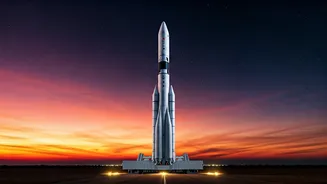
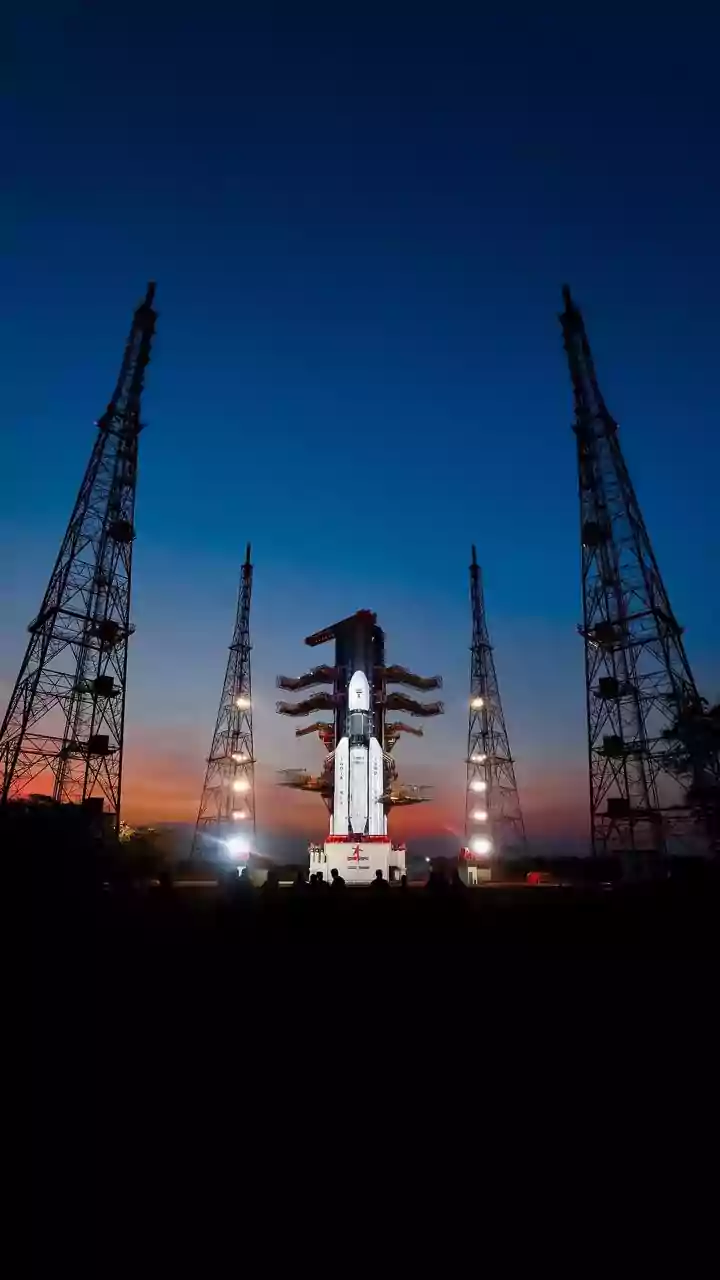
The countdown has officially begun. On July 2, 2026, Hyderabad-based startup Skyroot Aerospace announced a launch window between July 12 and August 4 for its Vikram-1 rocket. This mission, named 'Aagaman' (Sanskrit for 'arrival'), is set to be India's
first-ever private orbital launch. The liftoff from the Satish Dhawan Space Centre in Sriharikota will mark a pivotal moment, moving the nation's private space efforts from planning and testing into the operational era. While Skyroot successfully launched its sub-orbital Vikram-S rocket in November 2022, this orbital mission is a far more complex and significant undertaking. A successful flight will validate years of design and development, proving that a private Indian company can build and fly a rocket capable of placing satellites into orbit.
The Vikram-1 Mission Explained
Vikram-1 is a seven-storey, multi-stage rocket built with a lightweight all-carbon composite structure and powered by 3D-printed engines. It is designed to carry small satellites weighing up to 350 kg into low Earth orbit (LEO). The primary goal of the 'Aagaman' mission is not commercial, but developmental. Its main objective is to gather critical in-flight performance data on everything from propulsion and stage separation to guidance and control systems. This data is crucial for validating the rocket's design and cannot be fully replicated in ground tests. The mission will carry a mix of payloads from both Indian and international customers, making it a partially commercial flight that paves the way for full-scale operations after one or two more successful demonstration flights.
From Government Monopoly to Private Partnership
For decades, space was the exclusive domain of the Indian Space Research Organisation (ISRO). However, in 2020, the government opened the sector to private participation, a move aimed at capturing a larger share of the global space economy. This led to the creation of IN-SPACe (Indian National Space Promotion and Authorization Center), a single-window agency to promote, authorize, and supervise private space activities. The goal is to allow ISRO to focus on research and deep space exploration while private companies, like Skyroot, Agnikul Cosmos, and Pixxel, handle commercial satellite launches and other services. This policy shift has energized a burgeoning startup ecosystem, with India now home to hundreds of space-tech startups.
Why the Private Push Matters
This new timeline is more than just a launch schedule; it's a critical step in India's ambition to significantly grow its footprint in the global space market. India's space economy was valued at around $8.4 billion in 2022, representing just 2% of the global total. The government's vision is to increase this to $44 billion by 2033. Having private launch providers like Skyroot creates more capacity and competition. It provides satellite companies with more frequent and dedicated launch options, which can unlock innovation and reduce costs. This commercial capacity, running parallel to ISRO's own formidable launch programs, is essential for India to compete with global players like SpaceX and secure its strategic autonomy in space.
The Road Ahead
The successful launch of Vikram-1 will be a monumental achievement, but it is just the beginning. The road ahead for India's private space industry involves scaling up manufacturing, ensuring regulatory frameworks are clear and supportive, and securing significant long-term investment. The government is playing its part with initiatives like a dedicated venture capital fund and liberalised FDI policies. The challenge now is for the private sector to consistently deliver reliable and cost-effective services. With plans for monthly launches and the development of even heavier-lift vehicles on the horizon, India's private space sector is not just getting a timeline—it's getting ready to race.