









Why Humidity Wrecks Your Sleep
High humidity is more than just uncomfortable; it scientifically disrupts your sleep. When the air is saturated with water vapor, your sweat can't evaporate effectively. This is your body's primary way of cooling down. As a result, your core body temperature
stays elevated, making it difficult to fall into and remain in the deep, restorative stages of sleep. Studies show that humidity levels above 60% can increase wakefulness and reduce time spent in both deep NREM and REM sleep, which are crucial for physical recovery and memory consolidation. Furthermore, damp environments are breeding grounds for allergens like dust mites and mould, which can worsen respiratory issues and further disturb your rest.
Optimize Your Airflow
One of the simplest and most cost-effective strategies is to improve air circulation. A fan doesn't lower the room's temperature, but it creates a breeze that helps sweat evaporate from your skin, making you feel cooler. For best results, use a ceiling fan or create a cross-breeze by opening windows on opposite sides of the room. If you have an air conditioner, use it. AC units are effective at both cooling the air and removing excess moisture. Experts suggest an ideal room temperature for sleep is around 18.3°C (65°F), which helps your body maintain its natural temperature drop during the night.
Invest in a Dehumidifier
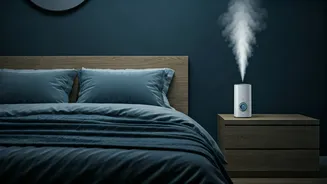
For a direct attack on moisture, a dehumidifier is your best weapon. These devices work by pulling water vapor from the air and collecting it in a reservoir, effectively lowering the overall humidity. The ideal indoor humidity level for sleeping is generally between 30% and 50%. Using a dehumidifier can help you maintain this range, preventing the sticky feeling that disrupts sleep and inhibiting the growth of allergens. When choosing a model, consider the size of your bedroom. Many modern units have an auto mode that maintains a preset humidity level, allowing you to set it and forget it.
Choose Breathable Bedding and Sleepwear
The fabrics you sleep on and in make a huge difference. Heavy, synthetic materials like polyester trap heat and moisture, creating a personal sauna under the covers. Instead, opt for lightweight, breathable, and moisture-wicking materials. Natural fibers like cotton (especially percale weave), linen, and bamboo are excellent choices for sheets and pillowcases. These fabrics allow for better airflow and pull moisture away from your skin. The same logic applies to your sleepwear; loose-fitting pyjamas made of cotton or linen will keep you far more comfortable than synthetic alternatives.
Take a Lukewarm Shower Before Bed
It might seem logical to take a freezing cold shower to cool down, but this can be counterproductive. An icy blast can cause your blood vessels to constrict, and as your body works to warm back up, you may actually feel hotter. A better approach is to take a lukewarm or warm shower about 60 to 90 minutes before bedtime. This initially raises your body temperature, but the subsequent cool-down period afterward signals to your brain that it's time for sleep. This process mimics the natural drop in core body temperature that helps initiate sleep.
Control Other Moisture Sources
Your daily habits can contribute to the humidity in your home. Houseplants, while great for air quality, release moisture into the air through transpiration. If your bedroom is particularly humid, consider moving some of your plants to another room. Avoid drying laundry indoors, and use exhaust fans in bathrooms and kitchens to vent moisture outside. Even taking shorter, cooler showers can help reduce the amount of steam released into your home's air. These small adjustments can collectively lower the baseline humidity level, making your nights more comfortable.