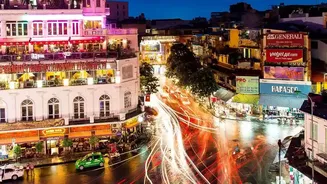







The ₹35,000 Challenge: Is It Really Possible?
Let's address the big question first: can you really spend just one week in Vietnam for under ₹35,000? The honest answer is that it's a tight budget, but for a savvy, backpacker-style traveler, it is achievable. Success hinges on militant cost-cutting,
starting with the flight, which will be the single largest expense. A realistic breakdown for a super-budget trip could look something like this: Return Flights (₹15,000-₹18,000), Visa (approx. ₹2,100), Accommodation in hostels (₹4,000-₹5,000 for 6 nights), and Daily Expenses for food and transport (approx. ₹10,000 for 7 days). This leaves very little room for extras like shopping, fancy meals, or expensive tours, but it proves the core trip is feasible if you plan meticulously.
Fly Smart: Your Airline Best Friends
The game-changer for affordable travel between India and Vietnam has been the expansion of low-cost carriers. Airlines like VietJet Air and IndiGo are your top choices. They operate direct flights from major Indian hubs like Delhi, Mumbai, Bengaluru, and Ahmedabad to Hanoi and Ho Chi Minh City. By choosing these carriers over full-service airlines, you can dramatically reduce your baseline cost. Keep an eye out for their frequent sales and promotional offers, which can slash prices even further. Signing up for their newsletters and following them on social media is a great way to be the first to know about deals.
The Golden Rules of Booking
Timing is everything when it comes to booking flights. The sweet spot is generally two to four months in advance. This gives you access to cheaper fare buckets before they sell out. Flexibility is your superpower here. If you can, use flight search engines like Skyscanner or Google Flights to search for the cheapest fares across a whole month. Flying on a Tuesday or Wednesday is almost always cheaper than on a Friday or Sunday. Similarly, being open to a red-eye flight can unlock significant savings. Always compare prices across multiple platforms before you book, but consider booking directly on the airline's website, as they sometimes offer exclusive deals.
Embrace the Shoulder Season
Everyone wants to travel during peak season, which means higher demand and higher prices. For Vietnam, the peak tourist months are typically from December to March. To save money, aim for the shoulder seasons: April to June and September to November. During these periods, the weather is still pleasant in many parts of the country, but the crowds are thinner and flight prices drop considerably. A flight that costs ₹25,000 in December might be available for ₹17,000 in September. This single choice can bring your trip firmly back into the ₹35,000 budget.
The Layover Strategy and Packing Light
While direct flights are convenient, don't dismiss options with a single, short layover in hubs like Bangkok or Kuala Lumpur. Sometimes, these routes can be surprisingly cheaper than their non-stop counterparts. Just be sure the layover isn't so long that it eats into your precious vacation time. Another crucial tip for low-cost carriers is to pack light. These airlines make a significant portion of their revenue from baggage fees. Stick to a single carry-on bag that meets their size and weight requirements. If you must check in luggage, pay for it online in advance, as it’s much more expensive to do so at the airport counter.
Making the Rest of the Budget Work
Once you've secured a budget-friendly flight, the rest of the trip falls into place much more easily. Vietnam is famous for being incredibly affordable on the ground. A bed in a clean, sociable hostel can cost as little as ₹600-₹800 per night. Street food is a highlight of any trip and is both delicious and cheap; a filling bowl of pho or a banh mi sandwich often costs less than ₹150. Use ride-hailing apps like Grab for bike taxis, which are an efficient and inexpensive way to get around cities. By living like a local, you’ll not only save money but also have a more authentic and memorable experience.