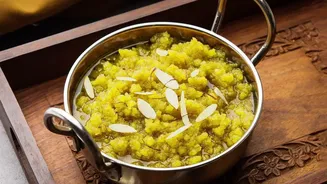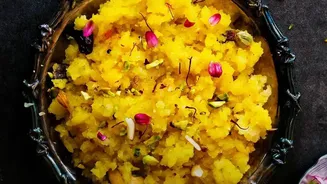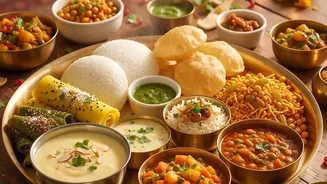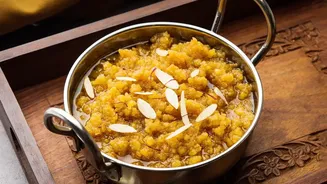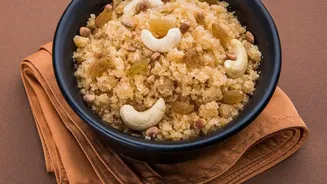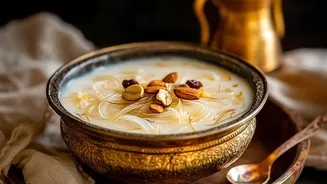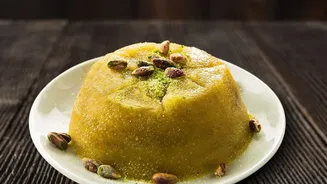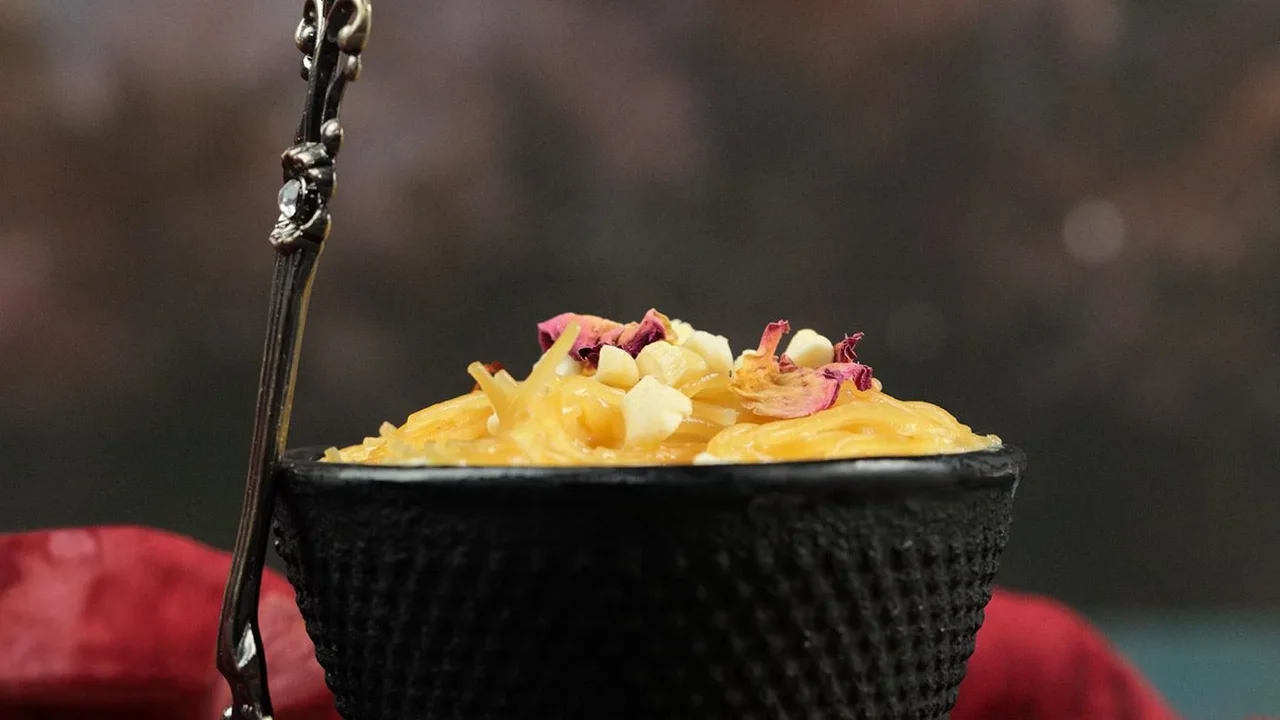

After the vibrant chaos of Diwali, with its festive foods and late nights, comes a quiet desire for comfort and restoration. This is where Besan Sheera, a warm, golden pudding, finds its purpose in many Indian households.
The Sweet Calm After the Festive Storm
The days following Diwali have
a unique rhythm. The fairy lights are coming down, the last of the mithai is being shared, and a gentle quiet descends. It's often during this period of winding down that the season's first coughs and colds make an appearance. The combination of changing weather, festive exhaustion, and an indulgence in rich foods can leave the body feeling sluggish. In many North Indian homes, especially in Punjab, the answer to this post-celebratory fatigue isn't a complex dish but a simple, age-old remedy served in a warm bowl: Besan ka Sheera. It's a food that bridges the gap between a dessert and a restorative tonic, made with ingredients already present in the kitchen pantry.
What is Besan Sheera?
At its heart, Besan Sheera is a simple pudding made by slow-roasting besan (gram flour) in ghee until it releases a wonderfully nutty aroma. This roasted flour is then cooked with milk or water, sweetened with sugar or jaggery, and often spiced with cardamom, turmeric, and a pinch of black pepper. The consistency can range from a thick, spoonable halwa to a thinner, drinkable porridge, depending on family preference. But it's the foundational act of roasting the gram flour that defines the dish. This crucial step transforms the raw flour into a deeply flavourful, comforting, and more easily digestible base.
A Bowlful of Comfort and Cure
The role of Besan Sheera extends far beyond being just a sweet treat. It is traditionally regarded as a 'gharelu nuskha' or a household remedy, particularly for coughs, colds, and a sore throat. Its therapeutic reputation comes from its warming properties, which are believed to provide relief during the colder months. The key ingredients each play a specific role. Ghee is known to lubricate and soothe an irritated throat, while turmeric contains curcumin, a compound with anti-inflammatory and antiseptic properties. Black pepper is often added not just for flavour but because it is believed to help the body absorb the benefits of turmeric more effectively. The besan itself, a powerhouse of protein and antioxidants, provides sustained energy to combat fatigue.
The Art of Roasting Besan
Anyone who has made Besan Sheera will tell you that patience is the main ingredient. The process of roasting gram flour in ghee cannot be rushed. It must be done on a low, steady flame, stirring continuously until the flour turns a uniform golden-brown and the kitchen fills with its signature nutty fragrance. This slow_roasting process is what gives the sheera its depth of flavour and prevents it from tasting raw or starchy. It is a meditative process that transforms a humble flour into the base of something deeply nourishing. This technique is central to many Indian sweets, from Besan Ladoo to Mysore Pak, where the quality of the final dish depends entirely on how well the besan is roasted.
More Than a Sweet : A Tradition of Care
Besan Sheera is a food of care, often prepared by mothers and grandmothers for a loved one feeling under the weather. It evokes a sense of being looked after, making it the perfect comfort food for the post Diwali slump. Consumed hot, typically before bedtime, it is believed to help clear the nasal passages and promote restful sleep. In this context, the sheera is not an indulgence but a nurturing ritual. It’s a tangible expression of care, demonstrating how traditional food knowledge combines flavour and function, offering remedies that are both effective and delicious. This practice keeps a simple, wholesome tradition alive, passing it down through generations as a symbol of warmth and well being.