







A Monsoon in Deficit
India's crucial June-to-September monsoon season for 2026 concluded with a significant rainfall deficit of 12.6% below the long-period average, according to the India Meteorological Department (IMD). This officially places the season in the “deficient”
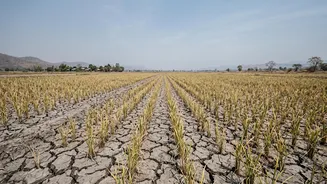
category, marking the weakest monsoon in over a decade. The shortfall was not uniform, with some regions experiencing severe drought conditions. Key agricultural states in the South Peninsula and East and Northeast India faced substantial deficits, while Central India fared slightly better. This uneven distribution is critical, as it directly impacts water reservoir levels and soil moisture needed for both the recently concluded kharif (summer) harvest and the upcoming rabi (winter) sowing season.
The Kharif Crop Connection
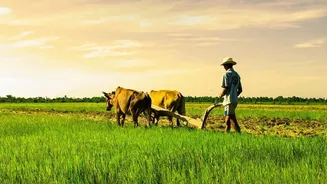
The monsoon is the lifeblood of India's agricultural sector, with the kharif season being particularly dependent on its performance. A weak monsoon directly affects the sowing and yield of major crops like rice, pulses, and some vegetables. This year, total kharif sowing saw a slight decline compared to the previous year, with paddy (rice) acreage showing a noticeable drop. Several states, including Karnataka, Telangana, and Andhra Pradesh, reported significant reductions in rice planting. While late rains helped farmers recover some ground, the overall output for many rain-fed crops is under threat. This directly translates to tighter supplies, as lower harvests mean less produce reaching the markets.
Which Foods Will Cost More?
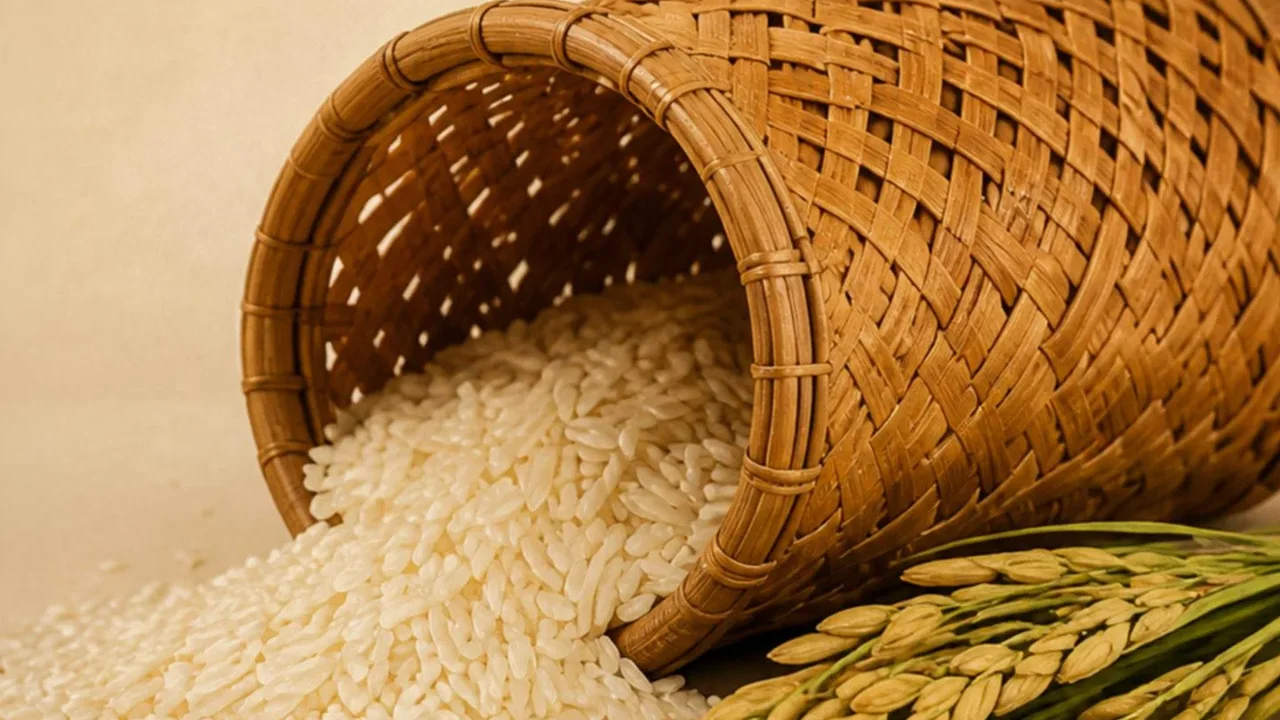
The most immediate impact for consumers will be felt in the prices of daily essentials. Pulses (dal) are a major area of concern, as they are predominantly grown in rain-fed areas that experienced deficits. Prices for pigeon pea and black gram were already showing year-on-year inflation even before the full impact of the poor monsoon was felt. Similarly, pressure is expected on vegetable oils and sugar, with weather-related risks affecting production hubs like Maharashtra. Rice prices are also a key area to watch. While India maintains large foodgrain buffer stocks which can help soften the blow, economists forecast that food inflation, which stood at 5.95% in August, could cross 7% by October.
The Government's Response
The government is actively monitoring the situation and preparing contingency measures. To stabilize the domestic supply of pulses, officials are considering reducing import tariffs on items like yellow peas and lentils. For the upcoming rabi season, the agriculture ministry is encouraging farmers to opt for less water-intensive crops, such as certain pulses and oilseeds, and ensuring the availability of suitable drought-resistant seeds. Central teams are being dispatched to the worst-affected states like Karnataka and Maharashtra to assess the drought situation and coordinate assistance. Additionally, India's substantial buffer stocks of grains like wheat and rice serve as a key tool to prevent extreme shortages and control price spikes through market interventions.
What to Expect Next
The full picture of the monsoon's impact will unfold in the coming months. The performance of the upcoming rabi crop season is now critical and will depend heavily on reservoir levels and winter rainfall. A poor rabi harvest would compound the pressure on food supplies. The weaker monsoon also affects the broader economy by reducing rural incomes and potentially slowing consumer demand for other goods, from clothing to two-wheelers. For households, this means a period of heightened vigilance on budgets is advisable. While government actions may buffer some of the price shocks, the next six months are likely to see elevated costs for several staple food items.