







Pack Fabrics That Forgive the Rain
Your packing choices can make or break a monsoon trip. Leave heavy cottons and jeans at home; they absorb water and take ages to dry, leaving you damp and uncomfortable. Instead, opt for lightweight, synthetic, and quick-drying fabrics like polyester
or nylon. These materials are breathable and won't hold moisture, ensuring you stay comfortable even if you get caught in a sudden shower. A high-quality waterproof rain jacket is non-negotiable, as is a compact umbrella. Consider packing a separate set of comfortable clothes, like track pants and a light jumper, exclusively for relaxing at your hotel after a day out.
Choose Your Footwear Wisely
Slippery paths and waterlogged streets are a given during the monsoon. Your footwear needs to provide a strong grip to prevent falls. While stylish heels or casual sneakers might be your usual go-to, they are impractical in the rain. Opt for waterproof shoes with robust, anti-slip soles. Good quality sandals with straps or floaters can be excellent for walking around towns, while sturdy, waterproof trekking boots are essential if you plan on hiking. Knee-length boots can also be a great option for navigating muddy trails and keeping your feet completely dry. Always carry an extra pair of socks to change into immediately if yours get wet.
Keep Your Gadgets and Documents Dry
Water is the enemy of electronics and important documents. Protect your phone, camera, power bank, passport, and wallet by storing them in waterproof bags or zip-lock pouches. Even if your main backpack claims to be water-resistant, an internal dry bag offers an extra layer of crucial security. A waterproof backpack cover is another essential item to shield your entire bag during a downpour. With potential power cuts during heavy rains, ensuring your power bank is fully charged before you leave is a smart move.
Plan Your Route, But Stay Flexible
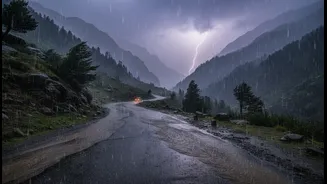
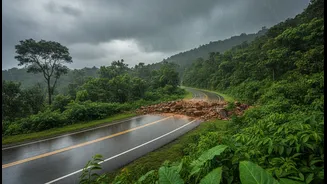
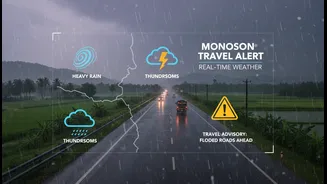
Hill travel during the monsoon requires extra caution. Landslides and roadblocks are common, especially in states like Uttarakhand and Himachal Pradesh. Before you set off, check the latest weather forecasts and local travel advisories from reliable sources like the India Meteorological Department (IMD). Inform your hotel about your travel schedule and ask about current road conditions in their area. It's wise to build buffer time into your itinerary for unexpected delays and avoid travelling on hill roads after dark. Having a flexible plan allows you to adapt to changing weather without stress.
Prioritise Health and Hygiene
The rainy season can increase the risk of waterborne diseases and insect bites. Be cautious about what you eat and drink. Avoid street food, especially items that may have been exposed to rain or prepared with unpurified water. Stick to bottled or purified water to minimize the risk of stomach infections. Carry a basic first-aid kit with essentials for common ailments like colds, fever, and indigestion, along with antiseptic cream and bandages. A strong insect repellent is a must-have to protect against mosquitoes.
Embrace the Indoor Charm
Sometimes the best monsoon experience is watching the rain from a cosy spot. If your outdoor plans get washed out, don't be disheartened. North India's hill stations are dotted with charming cafes, quaint bookshops, and local museums that are perfect for a rainy afternoon. Use the downtime to relax, read a book, or savour a hot cup of chai while enjoying the local delicacies. A forced day indoors can be a welcome opportunity to slow down and simply enjoy the serene, rain-washed atmosphere of the mountains.