





The End of Visa-Free Entry
The most significant change for Indian travellers in 2026 is the end of the 60-day visa-free entry scheme. Following a decision by the Thai Cabinet, India has been moved back to the Visa on Arrival (VoA) category. This means the old assumption of simply
flying in and getting a long-stay stamp is outdated. The VoA typically allows for a stay of up to 15 days and requires a fee of THB 2,000, payable at the airport. For those planning to stay longer, applying for a 60-day tourist e-Visa before departure is the correct route. This policy shift is part of a broader overhaul of Thailand's immigration framework, aimed at better regulating tourism and enhancing security.
Your Essential Document Checklist
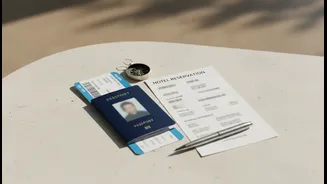
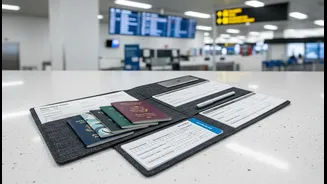
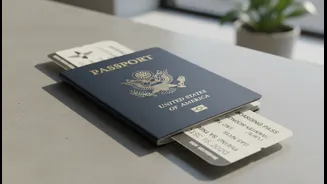
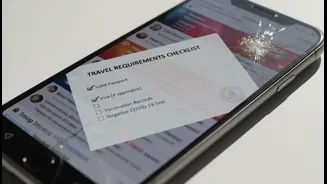
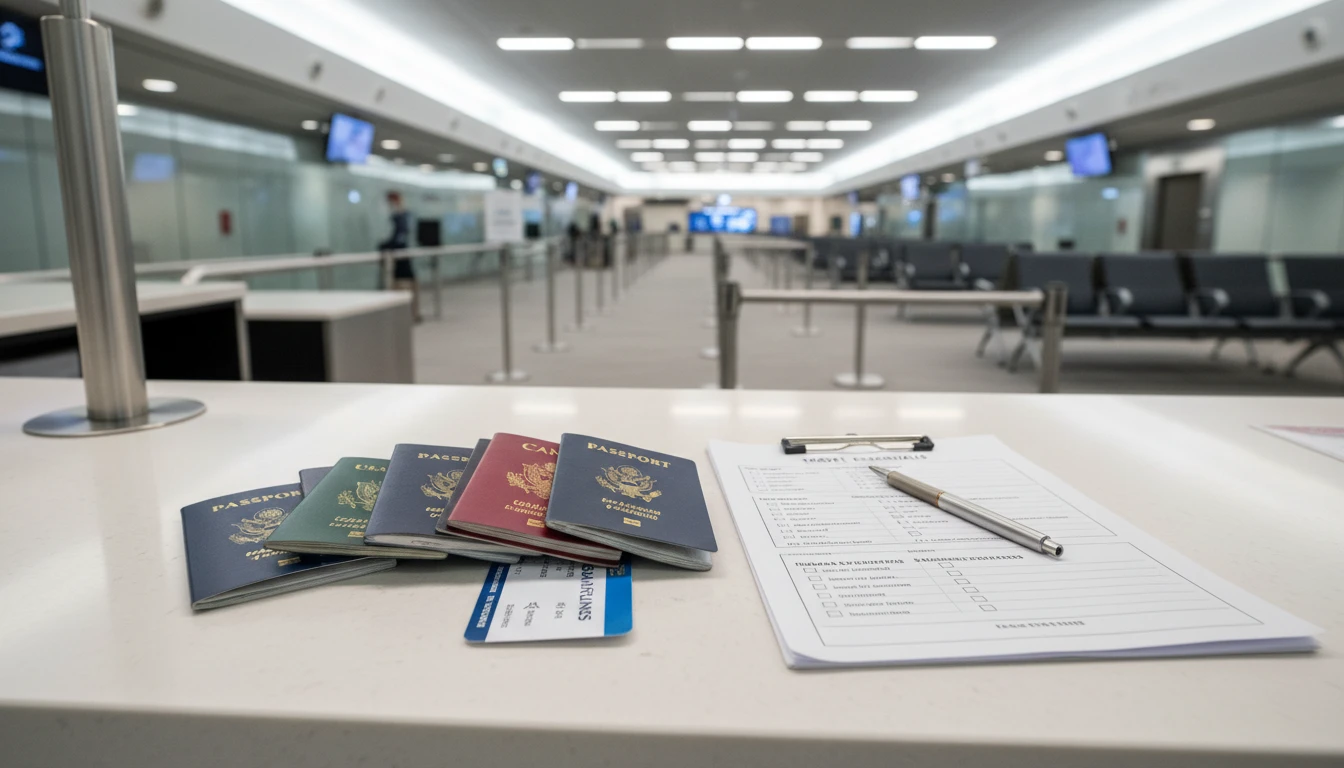
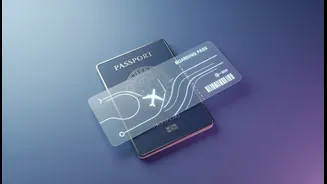
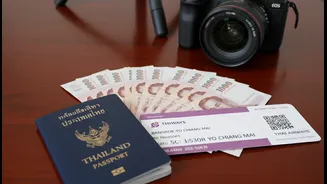
Thai immigration authorities are enforcing documentation checks more strictly. To avoid issues, every Indian traveller should have a folder with their essential documents ready. This includes a passport with at least six months of validity from your date of arrival, a confirmed return or onward flight ticket, and proof of accommodation for your entire stay. Additionally, all visitors must now complete the Thailand Digital Arrival Card (TDAC) online within 72 hours before arriving. This form generates a QR code that may be requested by immigration officials. The Indian Embassy in Bangkok has emphasized that having these documents in order is critical for a hassle-free entry.
The Cash Requirement: A Common Pitfall
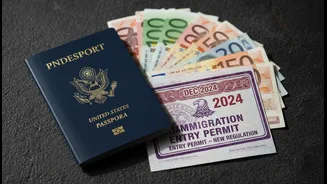
One of the most frequent reasons for immigration trouble is the 'proof of funds' requirement. Under Thai law, immigration officers can ask tourists to prove they have sufficient money for their stay. For those entering on a Visa on Arrival, the specified amount is at least THB 20,000 per person (approximately ₹58,000) or THB 40,000 per family. Crucially, officials often expect to see this in cash, and credit cards or bank statements on your phone may not be accepted during a secondary inspection. While not every traveller is checked, this rule is being enforced more often, especially during random checks. Carrying the required amount in a major currency like Thai Baht, US Dollars, or Euros is the safest approach to meet this legal requirement.
Understanding the 'Stricter Checks'
The term 'stricter entry checks' doesn't refer to a single new system but rather a renewed focus on enforcing existing immigration laws. This renewed diligence is intended to curb issues like visitors overstaying their visas or working illegally. Travellers with a history of frequent, back-to-back tourist entries or previous overstays may face more scrutiny. Immigration officers have the discretion to ask detailed questions about your travel itinerary, your purpose for visiting, and your ties to your home country to verify that you are a genuine tourist. Being able to clearly and credibly explain your plans is as important as having the right paperwork.
How to Ensure a Smooth Arrival
Preparation is key to avoiding immigration surprises. First, apply for the correct visa based on your length of stay—VoA for short trips and an e-Visa for longer ones. Before you fly, complete the TDAC and print the QR code. Have your confirmed flight and hotel bookings easily accessible. Most importantly, carry the required proof of funds in cash to avoid any debate at the counter. It's also wise to ensure your passport is in pristine condition, as damage can be a reason for denial. By understanding that 'visa on arrival' is not 'rules on arrival', Indian tourists can move past outdated assumptions and prepare for a seamless and enjoyable Thai holiday.