



The Myth: Foods as Internal Heaters
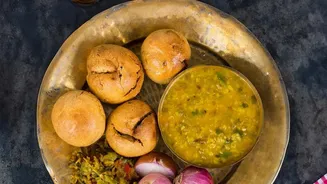
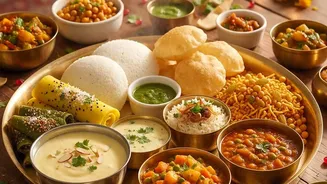
Across India, tradition dictates a shift in diet as temperatures drop. We instinctively reach for foods that our elders have long told us are 'garam' (hot) in nature. The plates get heavier with bajra rotis, the snacks turn to gond ke ladoo, and sweets
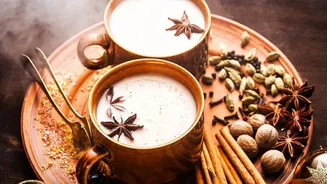
are rich with jaggery and nuts. The comforting belief is that these foods act like tiny furnaces, literally increasing our core body temperature to help us fight the external chill. It’s a deeply ingrained idea—that a bite of panjiri or a sip of hot turmeric milk actively heats our insides, much like switching on a heater warms up a room. This logic feels intuitive; eat something 'hot', feel warmer. But the physiological reality is far more nuanced and fascinating.
The Reality: A Process Called Thermogenesis
Your body doesn't have an internal heating element that food can switch on. Instead, what you feel is the result of a process called the 'Thermic Effect of Food' (TEF), or diet-induced thermogenesis. Simply put, your body has to expend energy to digest, absorb, and process the nutrients in the food you eat. This metabolic process itself generates a small amount of heat. Foods that are harder to break down—those rich in protein, complex carbohydrates, and fats—require more energy for digestion. This increased metabolic effort produces more heat as a byproduct, creating a subtle feeling of warmth. So, while you feel warmer, your core body temperature isn't actually spiking; your metabolism is just working a bit harder.
Why Protein and Complex Carbs Feel 'Warmer'
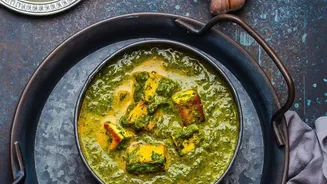
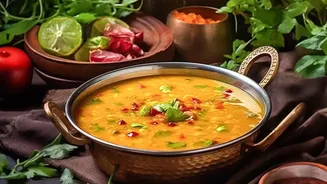
Different types of food have different thermic effects. Protein is the clear winner, requiring your body to use 20-30% of its own calories just for digestion and processing. Carbohydrates have a moderate TEF of about 5-10%, while fats are the lowest at 0-3%. This explains why a protein-rich meal can make you feel warmer than a meal high in simple sugars. Traditional Indian winter foods are often a powerhouse of these high-TEF nutrients. Think of dal, paneer, whole grains like bajra and jowar, and nuts. They force your digestive system to put in more effort, which in turn generates that gentle, internal warmth we crave in colder weather. It’s not a blast of heat, but a sustained metabolic hum.
It’s Really About Calorie Density and Fuel
Beyond the thermic effect, there's a more straightforward reason winter foods feel so right: they are energy-dense. In cold weather, your body has to work harder just to maintain its stable core temperature, a process that requires a lot of fuel. Rich foods like those made with ghee, nuts, and jaggery are packed with calories. These calories provide the raw energy your body needs to power its own internal heating mechanisms, like shivering and other metabolic processes. So, you're not eating 'heat' directly; you're eating fuel. These foods provide the logs for your body's internal fireplace, ensuring it has enough resources to keep burning steadily and maintain its essential 37°C core temperature.
The Special Role of Spices
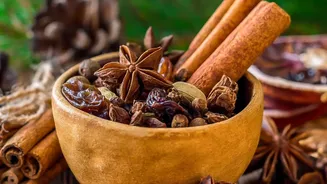
What about the instant warmth from a cup of ginger tea or a spicy curry? Here, the effect is less about metabolism and more about sensation and circulation. Spices like ginger, cinnamon, black pepper, and cloves are considered 'warming' for a reason. Compounds like gingerol in ginger and cinnamaldehyde in cinnamon can interact with sensory receptors in your nervous system that perceive warmth. Essentially, they trick your body into feeling warm. Many of these spices also improve blood circulation, bringing more warm blood to the surface of your skin. This creates a tangible, though temporary, sensation of heat, even if your core temperature remains unchanged.