
Beyond the Plain White Loaf
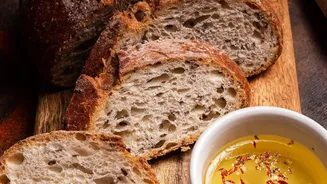
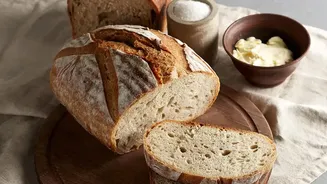
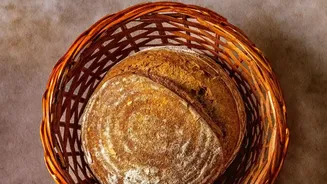
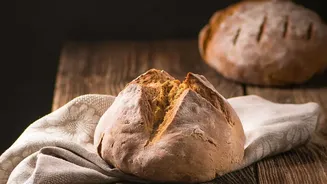
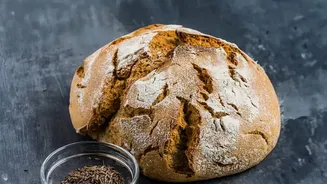
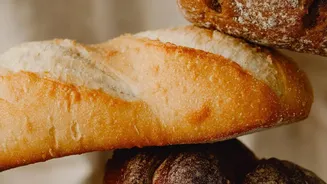
For years, the image of a perfect sourdough loaf was a rustic, crusty boule made from refined wheat flour. It was a symbol of artisanal baking, a craft perfected in Europe and popularised globally. While Chennai embraced this trend, especially during
the home-baking boom of recent years, local bakers are now writing a new chapter. They are looking past traditional recipes and asking a simple question: What if sourdough tasted more like home? This has sparked a culinary movement across the city, with bakers infusing their starters and doughs with the flavours of Tamil Nadu, creating bread that is both globally inspired and deeply local.
A Celebration of Local Grains
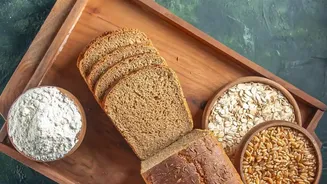
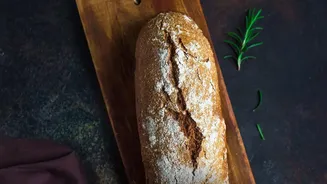
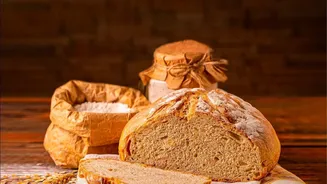
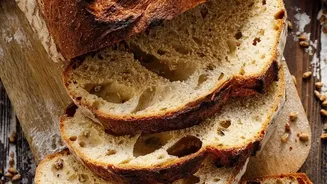
The most significant shift is the embrace of indigenous grains. Instead of relying solely on wheat, bakers are incorporating a variety of millets like ragi (finger millet) and kambu (pearl millet) into their doughs. These ancient grains, long staples of the South Indian diet, bring a unique nutritional profile and a distinct, nutty flavour to the bread. The result is loaves that are not only healthier, thanks to the gut-friendly properties of both sourdough fermentation and millets, but also possess a denser, heartier texture. This move connects modern baking techniques with traditional food wisdom, creating a product that feels both innovative and familiar to the local palate.
The Flavour of the Season
The experimentation doesn't stop with grains. Chennai's bakers are tapping into the region's rich agricultural bounty by incorporating seasonal produce. Imagine a sourdough loaf studded with chunks of sweet jackfruit, infused with the subtle flavour of moringa (drumstick leaves), or given a spicy kick with 'podi' spice mix. Some bakers are crafting loaves with spinach or beetroot, while others create savoury options featuring roasted garlic and local herbs. This approach not only provides a burst of fresh, unique flavour but also supports local farmers and promotes a more sustainable way of eating. By using what's in season, these bakeries offer a rotating menu that reflects the local harvest, turning a simple loaf of bread into a celebration of time and place.
Why the Change Now?
Several factors are driving this trend. Firstly, there is a growing consumer demand for healthier, preservative-free foods. Sourdough's natural fermentation process makes it easier to digest, and the addition of millets boosts its nutritional value. Secondly, in a now-crowded market of artisanal bakers, using local ingredients is a powerful way to stand out. It offers a unique flavour profile that can't be easily replicated and tells a compelling story about heritage and innovation. Finally, there's a cultural element at play. For many Indians, the tangy taste of fermented foods is already familiar through staples like idli and dosa. Sourdough, therefore, isn't an entirely foreign concept, and adapting it with local spices and grains makes it resonate even more deeply.
The Art and Science of Local Baking
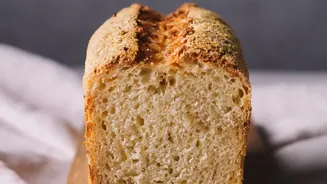
Working with these new ingredients isn't without its challenges. Millets are naturally gluten-free, which means they behave very differently from wheat flour. Bakers must meticulously adjust hydration levels and fermentation times to achieve the right texture and rise. Fruits like jackfruit add extra moisture and sugar, which can speed up fermentation and require a skilled hand to manage. It's a testament to the bakers' craft that they can balance these variables to produce loaves that are consistently delicious. This process is part science, part artistry, and a whole lot of passion for rediscovering and reinventing local flavours in an exciting new format.