



The Foundation: Find the Perfect Chair
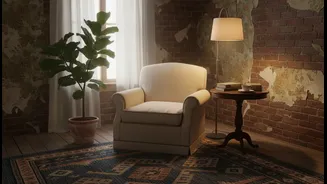
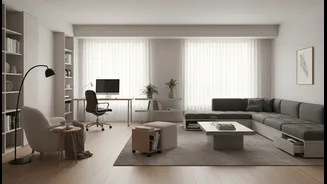
The journey to reclaiming a corner begins with the right chair. This piece does more than just fill the space; it defines its purpose. Whether you're creating a quiet reading nook or a chic spot to sip your morning coffee, the chair is the anchor. For
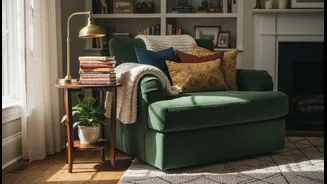
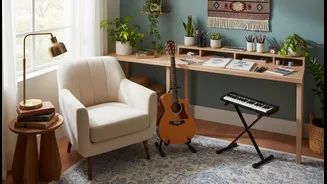
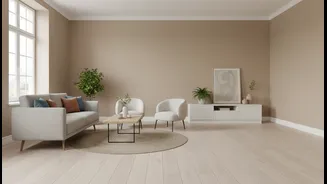
tight spaces, a chair's shape and scale are everything. A barrel chair, with its signature curved back, is practically designed to nestle into a corner, creating a snug, enveloping feel without jutting into traffic areas. Another excellent option is an armless slipper chair; its clean lines and lack of bulky arms make it a hero for small rooms, adding a seat without adding visual clutter. Look for a chair that invites you to linger. Comfort should not be sacrificed for form. Think about texture—boucle, velvet, or a soft woven fabric can add depth and make the corner feel more layered and intentional. This is your chance to play with a colour or pattern that injects personality into the room without overwhelming it.
The Illumination: Add a Layer of Light
Lighting is what turns a decorated corner into a warm, inviting atmosphere. Relying on a single overhead light won't do; you need layered lighting to create mood and functionality. The goal is to cast a lovely, localised glow that makes the space feel like a private retreat. For a classic reading nook, a floor lamp positioned just behind your armchair is a perfect choice. Look for models with adjustable arms or swivel heads so you can direct the light exactly where you need it, avoiding glare on your book or screen. If space is tight, a wall sconce is a brilliant solution, keeping the floor clear while providing focused task lighting. The type of light matters, too. Experts recommend a warm white light (around 2700K–3000K) for reading areas, as it's gentle on the eyes and promotes relaxation. Finally, consider a lampshade that contributes to the ambiance. Natural fabrics like linen or cotton diffuse light softly, while an opaque shade will direct it downward for more focused tasks.
The Surface: Choose a Functional Finish
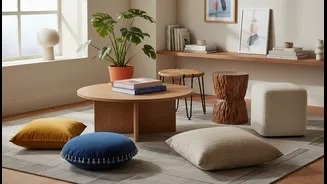
The third essential element is a surface. This piece provides a home for your coffee mug, a stack of books, or a small decorative object, making the nook both practical and polished. The key is finding a table with a compact design that won't crowd your layout. A small pedestal table is a great space-saver, as the single leg frees up floor space. C-shaped tables are another clever option, designed to slide under a sofa or chair, keeping your essentials within easy reach. Don't underestimate the power of a simple round end table, which can soften the hard 90-degree angle of the walls. When choosing a material, think about how it complements your chair and lighting. A glass top can create a sense of openness, while a solid wood table adds warmth and a Scandinavian touch. This surface isn't just for function; it's a platform for personalization.
Bringing It All Together: Personalize Your Nook
With the three core elements in place, the final step is to style your new corner and make it truly yours. This is where you can layer in textures and personal touches that tie the nook to the rest of your room's decor. Drape a soft throw blanket over the chair to add a pop of colour and an invitation to get cozy. Add a pillow for extra comfort and a dash of pattern. Use your small table to display a favourite candle, a small potted plant, or a beautiful vase. Adding greenery can breathe life into the corner and has the added benefit of improving air quality. If the floor feels bare, a small, round rug can ground the arrangement and define it as a distinct zone. You might also hang a single piece of art or a small gallery wall in the corner to draw the eye upward and complete the vignette. These final touches are what transform a simple furniture arrangement into a cherished spot in your home.