




First, What Is Heritage Tourism?
Heritage tourism is travel focused on experiencing the places, artifacts, and activities that authentically represent the stories and people of the past. It’s not just about visiting old buildings; it’s about connecting with history and culture on a deeper
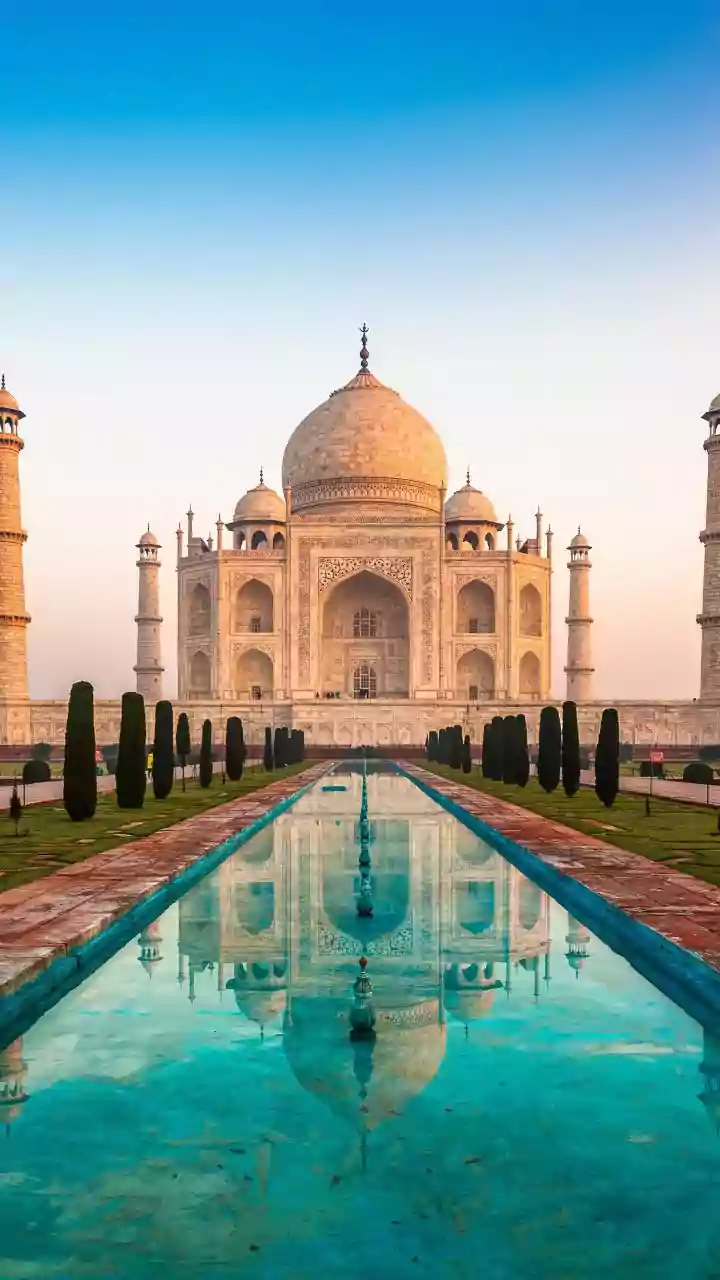
level. This can include everything from exploring UNESCO World Heritage Sites like the Taj Mahal to participating in local festivals, trying traditional foods, or visiting museums that tell the story of a region. The goal is to have an experience that is both entertaining and informative, offering a tangible link to the past.
A Search for Authenticity and Meaning
One of the biggest drivers of this trend is a psychological need for authenticity. In an increasingly digital and fast-paced world, many travelers are seeking more than just a relaxing beach vacation. They are looking for meaningful connections and a sense of identity. Heritage travel provides this by offering a chance to engage with real stories and traditions. This desire for authenticity is about feeling genuinely present and connected to a place, rather than just observing it from the surface. For many, visiting a place tied to their own ancestry or the world's shared history offers a profound sense of grounding and self-discovery.
The Visual Power of Social Media
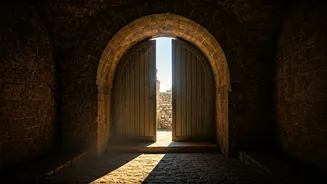
Social media platforms like Instagram have played a massive role in popularizing heritage sites. Historic locations are often incredibly photogenic, with dramatic architecture and rich textures that create visually compelling content. These images and videos don't just showcase a beautiful place; they tell a story and carry a sense of cultural weight. Algorithms tend to favor such engaging content, amplifying its reach. This creates a feedback loop: people see stunning photos of heritage sites, which inspires them to visit, and they in turn post their own photos, further fueling the trend. The 'shareable' nature of these experiences has made heritage sites a form of social currency.
The 'UNESCO Bucket List' Effect
Global and national organizations have also been instrumental in this shift. Institutions like UNESCO curate a highly visible list of World Heritage Sites, which essentially acts as a global travel bucket list for many. A study found that each additional UNESCO site in a country can lead to a significant rise in tourist numbers. In India, government campaigns like 'Dekho Apna Desh' have actively encouraged citizens to explore the nation's rich historical and cultural treasures, further boosting domestic heritage tourism. This institutional backing lends credibility and prestige to these locations, making them even more attractive to travelers.
Travel as a Form of Self-Improvement
The line between leisure and learning is blurring. Modern travelers, particularly younger generations, increasingly want their trips to be educational and enriching. Visiting a heritage site feels like an investment in personal growth. It offers a chance to learn about different civilizations, architectural styles, and historical events firsthand, which can be more memorable and impactful than reading about them in a book. This trend reflects a broader shift from passive sightseeing to active, participatory experiences where the traveler is not just an observer but a learner.
Economic Impact and Preservation Challenges
The rise of heritage tourism is a significant economic driver. Studies have shown that heritage tourists often stay longer and spend more money than other types of travelers, directly benefiting local economies and creating jobs. This influx of revenue can also fund the preservation of historic sites. However, this popularity comes with challenges. Overtourism at popular sites can strain local infrastructure and lead to environmental and cultural degradation. The key challenge for the future will be to manage this growth sustainably, ensuring that the very heritage that draws visitors is protected for generations to come.