





The modern desk job presents a major wellness challenge: staying physically active while spending hours sitting. But integrating movement into your workday doesn't require a gym membership or a total life overhaul.
Upgrade Your Workstation
The first line of defence against a sedentary
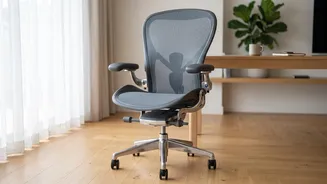
workday is your immediate environment. An ergonomic setup is crucial not just for posture, but for encouraging movement. Consider a sit-stand desk, which allows you to alternate between sitting and standing, engaging different muscle groups and burning more calories. Using one can help reduce strain on your lower back. If a full standing desk isn't an option, a desk converter can provide similar benefits. Another popular alternative is replacing your traditional chair with a stability or exercise ball for portions of the day. Sitting on a stability ball forces you to engage your core muscles to maintain balance, effectively turning your sitting time into a low-level workout. These small changes to your physical workspace create a foundation for a more active day without interrupting your workflow.
Embrace 'Desk-ercises' and Stretches
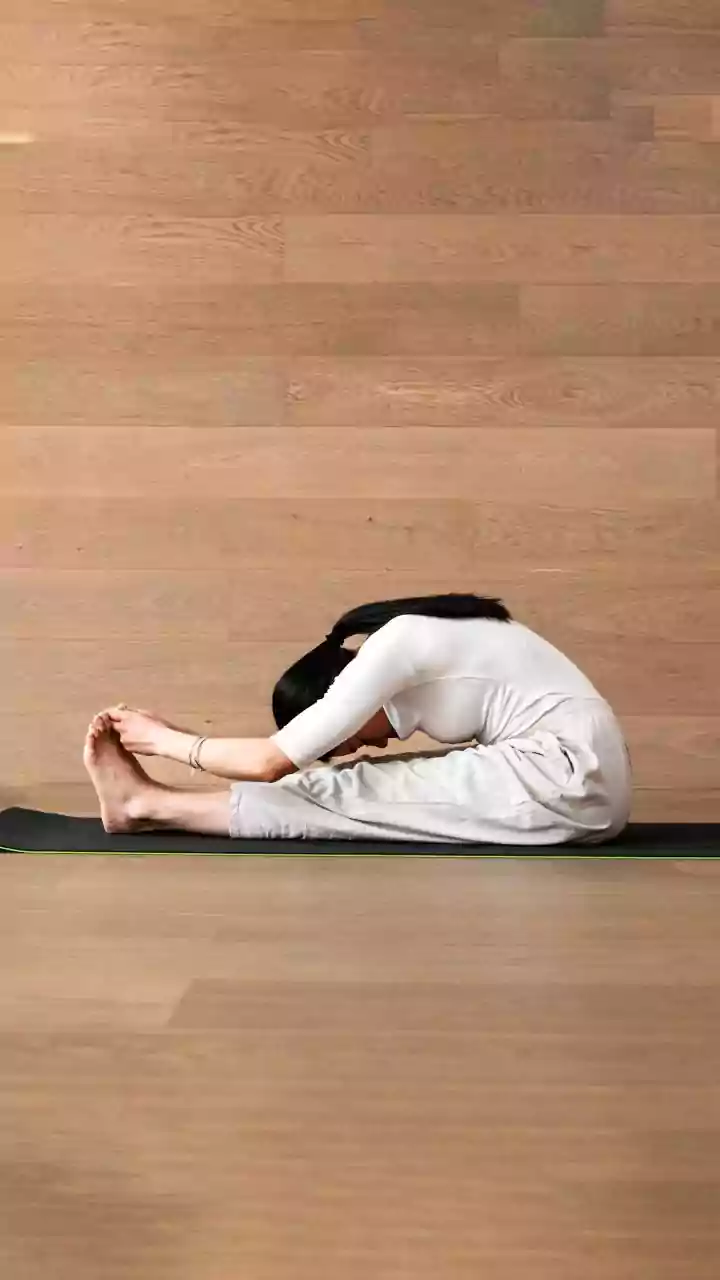
You don’t need to leave your cubicle to get your blood flowing. Discreet exercises, or 'desk-ercises', can be performed right at your chair to alleviate stiffness and prevent pain. Focus on areas that get tight from sitting: the neck, shoulders, and hips. Gentle neck stretches, where you slowly tilt your head from side to side, can relieve tension. Shoulder shrugs and arm circles are also effective for combating upper body stiffness. For your lower body, try seated leg lifts or calf raises under your desk. Even simple spinal twists while seated in your chair can help maintain flexibility. The key is to perform these movements regularly. Set a timer to remind yourself to do a few simple stretches or exercises at least once every hour to break up long periods of inactivity.
Master the Movement Break
Short, frequent breaks for movement can be more beneficial than one long workout after a day of sitting. Some studies suggest that walking for just five minutes every half-hour can significantly improve blood pressure and blood sugar levels. This approach, sometimes called 'exercise snacking', makes physical activity feel more manageable. Use the Pomodoro Technique—working for 25 minutes, then taking a five-minute break—but dedicate that break to movement. Walk to the farthest restroom, take a few laps around the office floor, or simply stand up and stretch. Suggesting walking meetings for one-on-one chats is another excellent way to get steps in while staying productive. These micro-breaks boost circulation, improve focus, and increase your total daily energy expenditure.
Weaponize Your Water Bottle
Staying hydrated is essential for overall health, focus, and energy, but it can also be a powerful tool for encouraging movement. Keep a large water bottle on your desk and make it a goal to finish and refill it several times throughout the day. Each trip to the water cooler or kitchen is a built-in opportunity to get up and walk. To maximize the benefit, choose a refill station that is farther away from your desk, forcing you to take a slightly longer route. This simple habit has a dual benefit: it ensures you stay properly hydrated, which helps joints and tissues stay healthy, and it naturally breaks up long periods of sitting, preventing the stiffness and health risks associated with a sedentary state.
Reclaim Your Lunch Break
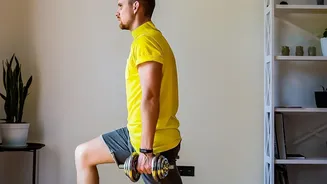
Too often, the lunch hour becomes an extension of the workday, spent eating at the desk while answering emails. Reclaiming this time for movement can have a profound impact on your physical and mental well being. Instead of eating at your desk, dedicate at least a portion of your break to a brisk walk outside. Getting fresh air and sunlight can boost your mood and creativity for the afternoon ahead. If you have access to an on site gym or have workout equipment at your home office, a quick 20 or 30 minute session is another great option. Even if it is just a 10 minute walk around the building, making movement a non negotiable part of your lunch routine helps you reach daily step goals and provides a necessary mental reset from work pressures.