



The Comfort Zone of 'Boring'
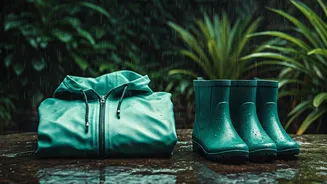
When you think of eco-friendly clothing, a certain image often comes to mind: a simple organic cotton tee, a durable hemp backpack, or a pair of recycled polyester leggings. While these items are valuable staples, they've inadvertently created an aesthetic
cul-de-sac for sustainable fashion. The movement, born from a desire to do better for the planet, has become stylistically synonymous with minimalism and utility. There are reasons for this. Eco-materials can be more expensive and harder to source, leading brands to stick with simple, high-volume designs to manage costs. Furthermore, technical challenges in dyeing and processing can limit the creative possibilities. Fast fashion has trained consumers to expect low prices, making it difficult for brands investing in ethical production and innovative-but-costly materials to compete without playing it safe.
The New Wave of Materials
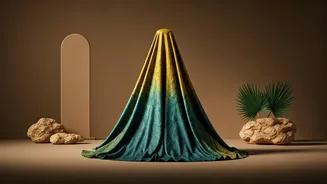
Fortunately, the landscape of eco-textiles is undergoing a quiet revolution. The options now extend far beyond organic cotton and linen. Scientists and designers are creating incredible fabrics from sources that sound like something from a sci-fi novel. Imagine wearing leather made from the fibres of pineapple leaves (Piñatex) or apple peels. There are luxurious, silky fabrics derived from orange citrus byproducts, wood pulp (Tencel/Lyocell), and even soy residues. Innovators are transforming waste into wonder, with materials made from upcycled oyster shells, seaweed, and used coffee grounds. These next-generation textiles are not just sustainable; they are high-performance, offering unique textures, drapes, and properties that open up a new world of design.
Designers Proving the Premise
A handful of visionary designers are shattering the stereotype that sustainable means simple. Stella McCartney has been a pioneer for years, proving that luxury fashion can thrive without leather or fur and by investing in regenerative materials like mushroom leather. Her work demonstrates that ethics and high aesthetics are not mutually exclusive. Brands like Viktor & Rolf and Iris van Herpen have taken upcycling to the level of haute couture, transforming deadstock fabrics and marine debris into breathtaking, sculptural garments. Others, like E.L.V. Denim, create bespoke, high-end pieces from discarded jeans, proving that even the most common waste can become desirable luxury. These creators aren't just making clothes; they are making a powerful statement that recycled and eco-friendly materials can be the basis for avant-garde, intricate, and deeply desirable fashion.
From Red Carpet to Your Closet
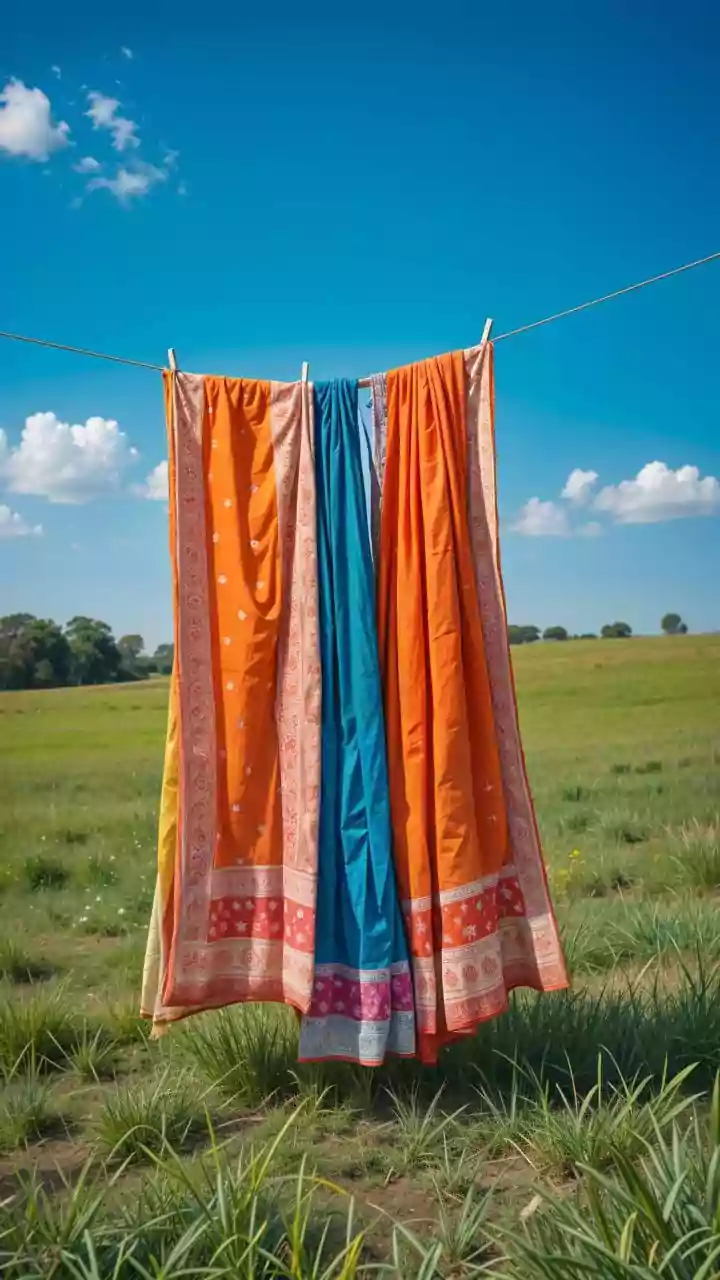
The innovation isn't confined to the world of couture. A growing number of brands are bringing creative sustainable designs to a broader audience. Labels like Reformation craft stylish dresses from surplus materials, while Mara Hoffman is known for her vibrant, colourful designs made with eco-friendly fabrics. These brands prove that you don't have to sacrifice personal style for your principles. By focusing on timeless design and durable materials, they are moving beyond the 'wear-once' mentality of fast fashion. They offer a vision of a wardrobe that is both beautiful and responsible, filled with pieces designed to be loved and worn for years, not just a single season.
A Call for Creative Courage
For eco-fashion to truly go mainstream, both the industry and consumers need to be bolder. Brands need to invest in the research and development of these new materials and trust that there is a market for high-style sustainable clothing. Designers must have the courage to experiment with these fabrics, pushing them to their creative limits rather than defaulting to the safest option. And as consumers, we have the most important role. Our choices send a powerful message. By seeking out, celebrating, and investing in brands that pair sustainability with sophisticated design, we create the demand that will pull the entire industry forward. We can show the world that we expect our clothes to be good for the planet and look good too.