


The Journey is the Destination
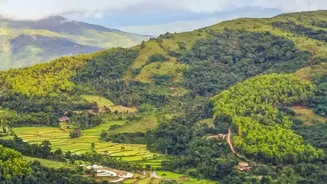
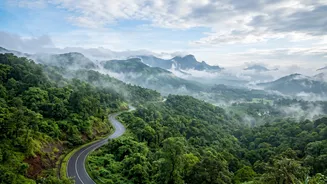
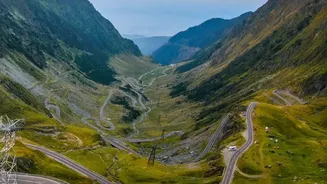
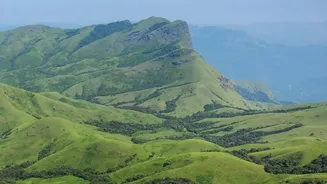
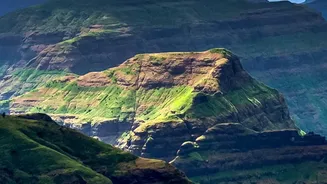
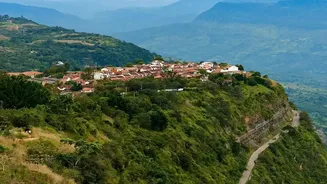
A road trip to Satara, especially from Mumbai or Pune, is an experience in itself. The drive along the smooth NH48 is a visual treat. The post-monsoon period, from September to November, transforms the Western Ghats into a lush, green paradise. As you
leave the city behind, the landscape shifts to rolling hills blanketed in fresh greenery, with impromptu waterfalls making surprise appearances along the route. The air becomes cleaner and cooler, setting the tone for the tranquil escape that awaits. This journey isn't just about getting from point A to B; it’s the perfect prelude to the natural splendour of Satara, with every kilometre offering a chance to unwind and soak in the views.
Kaas Plateau: A Carpet of Wildflowers
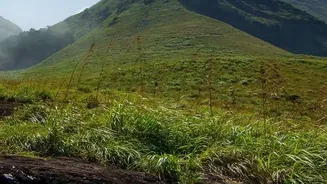
The star attraction of a post-monsoon trip to Satara is undoubtedly the Kaas Plateau, a UNESCO World Natural Heritage Site. From late August to early October, this volcanic plateau transforms into what is popularly known as Maharashtra's 'Valley of Flowers'. It becomes a breathtaking mosaic of over 850 species of wildflowers, including rare orchids and insectivorous plants like Drosera indica. The bloom happens in waves, so the colours of the landscape can change every few weeks. The 2026 season is particularly special, with the rare Karvi shrub, which blooms only once every eight years, expected to paint parts of the hills in a stunning purple. A visit here is a surreal experience, walking amidst a seemingly endless carpet of vibrant blossoms under a clear post-monsoon sky.
The Power of Cascading Waterfalls
The monsoon feeds the region's waterfalls, and in the weeks that follow, they are at their most majestic. Thoseghar Waterfalls, a series of cascades with the tallest plunging from nearly 200 meters, is a sight to behold. Well-maintained viewing platforms provide a safe and spectacular vantage point to witness their power. Nearby, the Vajrai Waterfall, often cited as one of India's tallest, cascades in three steps down a rocky cliff. The sheer volume of water creates a deafening roar and a fine mist that hangs in the air. Visiting these falls post-monsoon means you get to see them in their full glory, surrounded by the most vibrant greenery, but with more accessible and safer viewing conditions than during the peak of the rains.
A Touch of History Amidst Nature
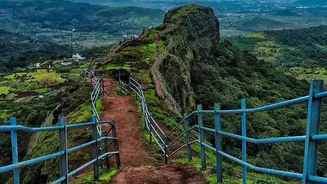
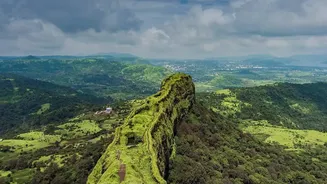
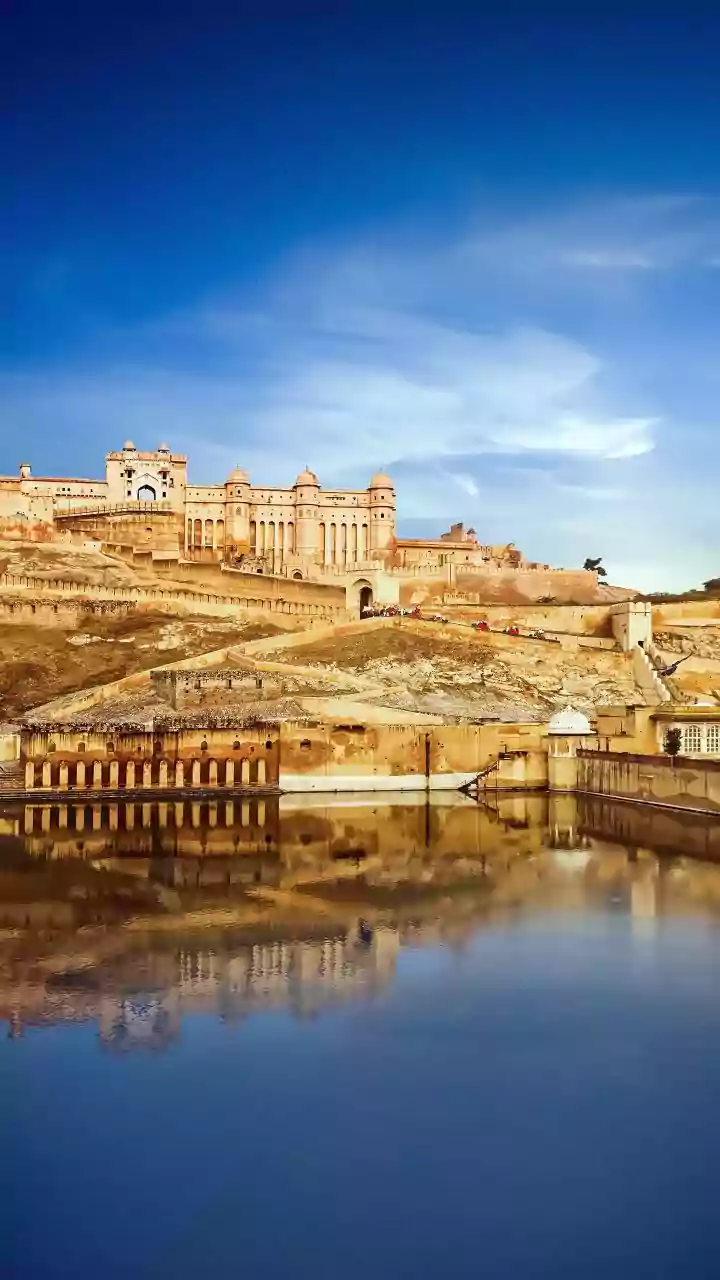
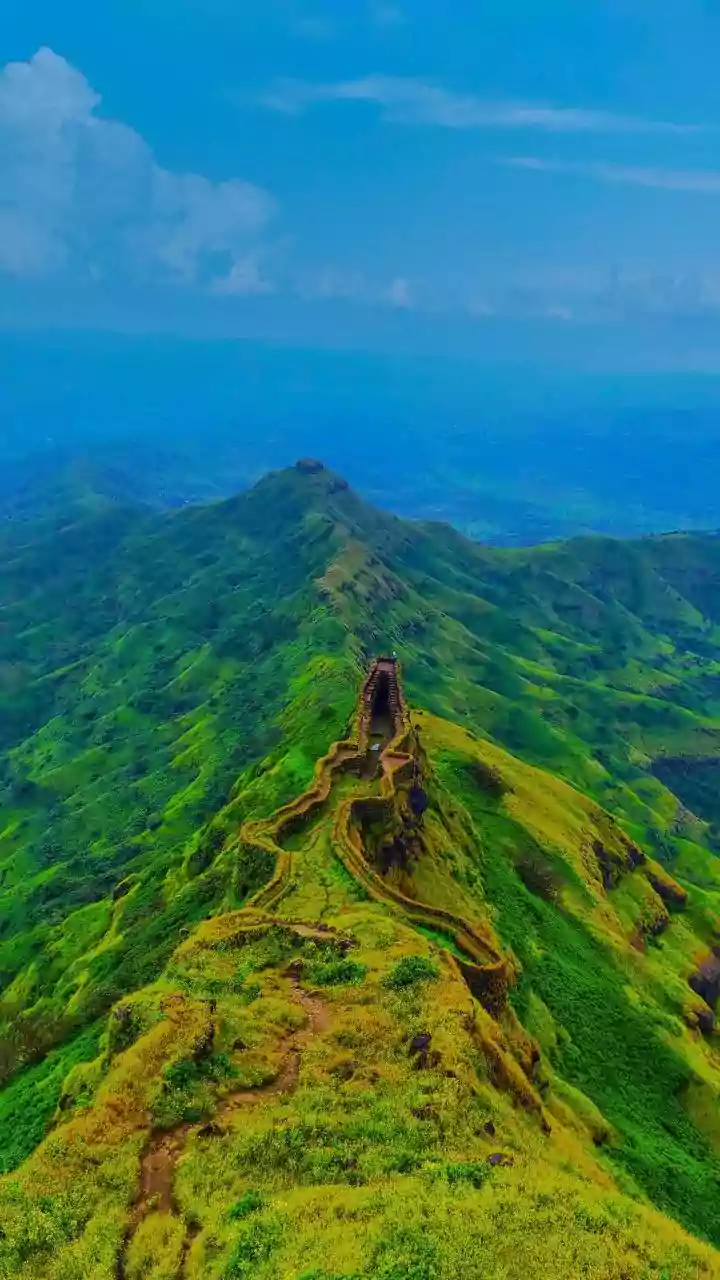
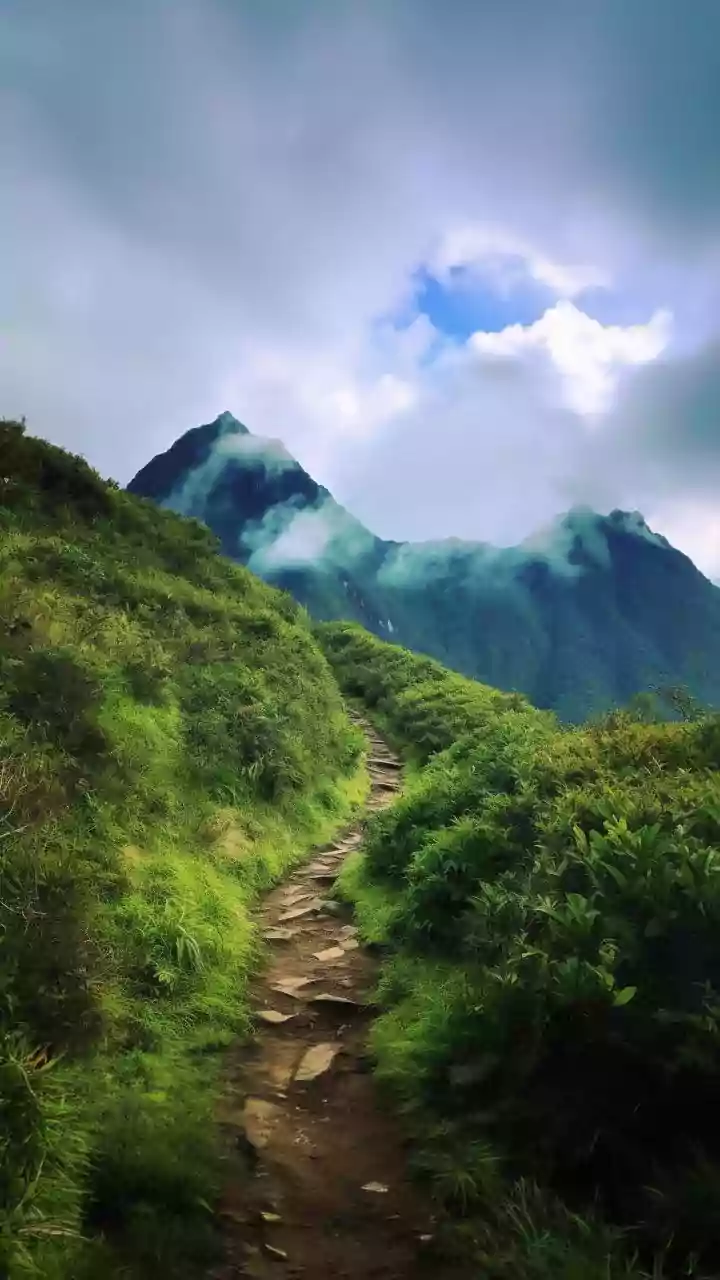
Satara's allure isn't just its natural beauty; it's also steeped in Maratha history. For a dose of heritage combined with panoramic views, a visit to Ajinkyatara Fort is a must. Perched on a hill, the fort offers a commanding view of Satara city and the surrounding valleys. The trek to the top is rewarded with fresh air and a sense of history. Another spiritual and historical destination is Sajjangad Fort, the final resting place of Saint Samarth Ramdas. A climb up its stone steps during the post-monsoon months is a serene experience, with misty clouds often enveloping the fort, creating a mystical atmosphere. These forts provide a perfect balance to the nature-centric sights, offering a deeper connection to the region's cultural soul.
Planning Your Green Getaway
The best time to embark on this road trip is from September through November, when the greenery is at its peak and the weather is pleasant. For Kaas Plateau, it's advisable to check the official bloom dates and book entry tickets online in advance, as visitor numbers are capped to protect the delicate ecosystem. Accommodation in Satara ranges from budget-friendly hotels to comfortable resorts. The drive from Pune takes about 2-3 hours, while from Mumbai it's a 4-5 hour journey, making it an ideal weekend getaway. Remember to pack light woollens for the cool evenings and comfortable walking shoes to explore the forts and plateaus.