
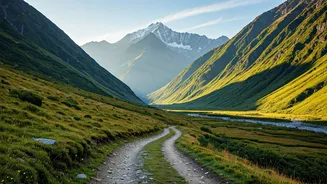


The Solo Call of the Valleys
Why choose Arunachal for a solo journey? Unlike more trodden paths, this state offers a rare blend of solitude and immersion. It’s a place where you can disconnect from the digital world and reconnect with yourself against a backdrop of staggering natural
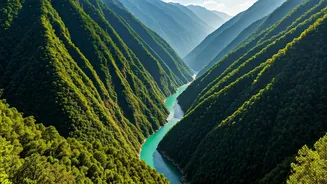
beauty. The mighty rivers—Siang, Lohit, Dibang, Subansiri—have carved landscapes that are both humbling and inspiring. For the solo traveller, this isn't just a trip; it's a pilgrimage into the heart of the wild. It’s about challenging yourself, trusting your instincts, and discovering a resilience you might not have known you possessed. The goal isn't just to see the valleys, but to experience them with a sense of presence and respect.
First Step: Permits and Paperwork
Before you even pack your bags, your journey begins with paperwork. As a protected state, Arunachal Pradesh requires all domestic tourists from other states to obtain an Inner Line Permit (ILP). This is a non-negotiable first step. You can apply for the ILP online through the official Arunachal Pradesh government portal. The process is relatively straightforward, requiring your photo, ID proof, and a proposed itinerary. Be realistic with your dates, as the permit has a specific validity period. It's wise to apply at least a couple of weeks in advance to avoid any last-minute stress. Keep both a digital and a few physical copies of your permit with you at all times, as you will be asked to present it at various checkpoints upon entering and travelling within the state.
Choosing Your River Valley
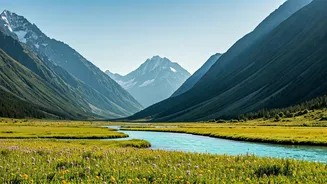
Arunachal is a tapestry of valleys, each with its own character. For a first-time solo traveller, starting with the Siang Valley is a great choice. It's relatively more accessible, with the town of Pasighat serving as a gateway. Here, you can witness the majestic Siang river, the main artery of the Brahmaputra, and interact with the Adi community. For those seeking more rugged solitude, the Dibang Valley offers a truly off-the-grid experience. It's home to the Mishmi people and a stunning biodiversity hotspot, but requires more robust planning due to its remoteness. The Lohit Valley in the east, near the 'first sunrise' town of Dong, offers a spiritual and historical journey, with pilgrimage sites like Parshuram Kund dotting the riverbanks. Research each valley's accessibility, culture, and what it offers before finalising your route.
The Art of Mindful Navigation
Travelling 'mindfully' is about more than just being present; it's an active practice of respect. This starts with the people. Arunachal is home to numerous distinct tribes, each with its own customs, traditions, and language. A simple 'hello' in the local dialect can go a long way. Always ask for permission before taking photographs of people or their homes. Opt for homestays over hotels where possible; this not only provides a deeper cultural immersion but also ensures your money directly supports local communities. Environmentally, practice a strict 'leave no trace' policy. The valleys are pristine, and it's our collective responsibility to keep them that way. Carry a reusable water bottle and avoid single-use plastics. Mindfulness here means recognising you are a guest in a deeply sacred and ecologically fragile land.
Safety for the Solo Traveller
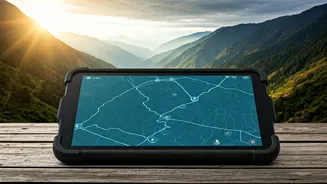
While Arunachal is generally safe, solo travel in a remote region requires extra vigilance. Mobile connectivity is patchy at best outside of major towns. Inform your family or a friend of your detailed itinerary and have pre-arranged check-in times. Download offline maps of the regions you plan to visit. When hiring a vehicle, use trusted local drivers recommended by your homestay or a reputable local agency. For accommodation, pre-book your first couple of nights, especially if you are arriving late. Carry a well-stocked first-aid kit with essentials for cuts, stomach upsets, and fever. Most importantly, trust your gut. If a situation or a person feels off, remove yourself from it. Being solo means being self-reliant, so prepare accordingly.