

What is the Cat-Cow Pose?
Cat-Cow, or Marjaryasana-Bitilasana, is not one but a combination of two yoga poses performed in a flowing sequence. It's a foundational movement in many yoga practices, celebrated for its simplicity and profound benefits. The sequence involves moving
the spine from a rounded position (flexion, like a cat) to an arched one (extension, like a cow). This gentle motion serves as an excellent warm-up for the spine, waking up the body and preparing it for more activity or simply easing it into the day. It's often one of the first sequences taught to beginners due to its accessible nature and immediate feeling of release.
A Step-by-Step Guide
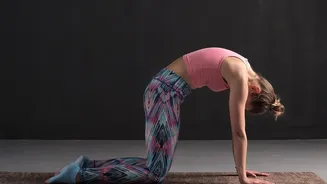
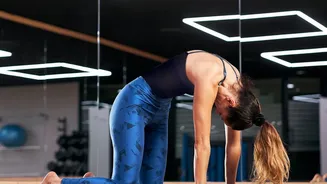
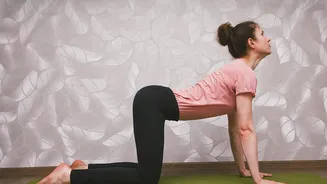
To begin, find a comfortable spot on the floor; a yoga mat can provide cushioning but isn't essential. Start on your hands and knees in a 'tabletop' position. Your wrists should be stacked directly under your shoulders, and your knees directly under your hips, about hip-width apart. Keep your neck in a neutral position, with your gaze toward the floor. First, move into Cow Pose (Bitilasana). As you inhale, drop your belly toward the floor, lift your chest and chin, and gaze forward or slightly upward. Allow your tailbone to lift toward the ceiling, creating an arch in your spine. Next, transition into Cat Pose (Marjaryasana). As you exhale, round your spine toward the ceiling, tucking your chin to your chest and dropping your gaze toward your navel. Press firmly into your hands to create space between your shoulder blades. Continue flowing between Cow on the inhale and Cat on the exhale for 5-10 rounds, letting your breath guide the movement.
The Core Benefits
The primary benefit of Cat-Cow is improved spinal flexibility and mobility. This gentle movement warms the synovial fluid between the vertebrae, helping to relieve stiffness and prevent injury. It's particularly effective for alleviating mild back pain, especially tension caused by sitting for long periods. The pose also stretches the muscles of the back, neck, chest, and abdomen. Beyond the physical, Cat-Cow is a powerful tool for stress reduction. Syncing the movement with deep, intentional breathing has a calming effect on the nervous system, helping to soothe anxiety and quiet the mind. Regular practice can also improve posture by promoting awareness of your spinal alignment and strengthening core muscles that support an upright position.
Common Mistakes to Avoid
While simple, a few alignment cues can make the pose safer and more effective. A common mistake is improper hand and knee placement. Ensure your wrists are directly below your shoulders and knees are below your hips to protect your joints and allow for a full range of motion. Another pitfall is moving too quickly. The benefits of Cat-Cow come from slow, controlled spinal articulation, moving one vertebra at a time rather than rushing the motion. Be mindful not to crunch your neck in Cow pose; instead, focus on creating length from your tailbone through the crown of your head. Finally, let the breath lead. The movement should follow the rhythm of your inhales and exhales, not the other way around.
Building Your Mini-Routine
Cat-Cow is a perfect standalone mini-routine. You don't need a full hour of yoga to reap its rewards. Try performing 10 to 15 rounds every morning to gently wake up your spine and set a calm tone for the day. It's also an excellent way to break up long periods of sitting. If you work at a desk, take a five-minute break every hour to perform a few rounds. For those with sensitive knees, placing a folded blanket underneath them can provide extra support. You can even perform a modified version while seated in a chair, placing your hands on your knees and arching and rounding your spine in the same manner. The key is consistency; a few minutes each day can lead to significant improvements in how your back feels and moves.