
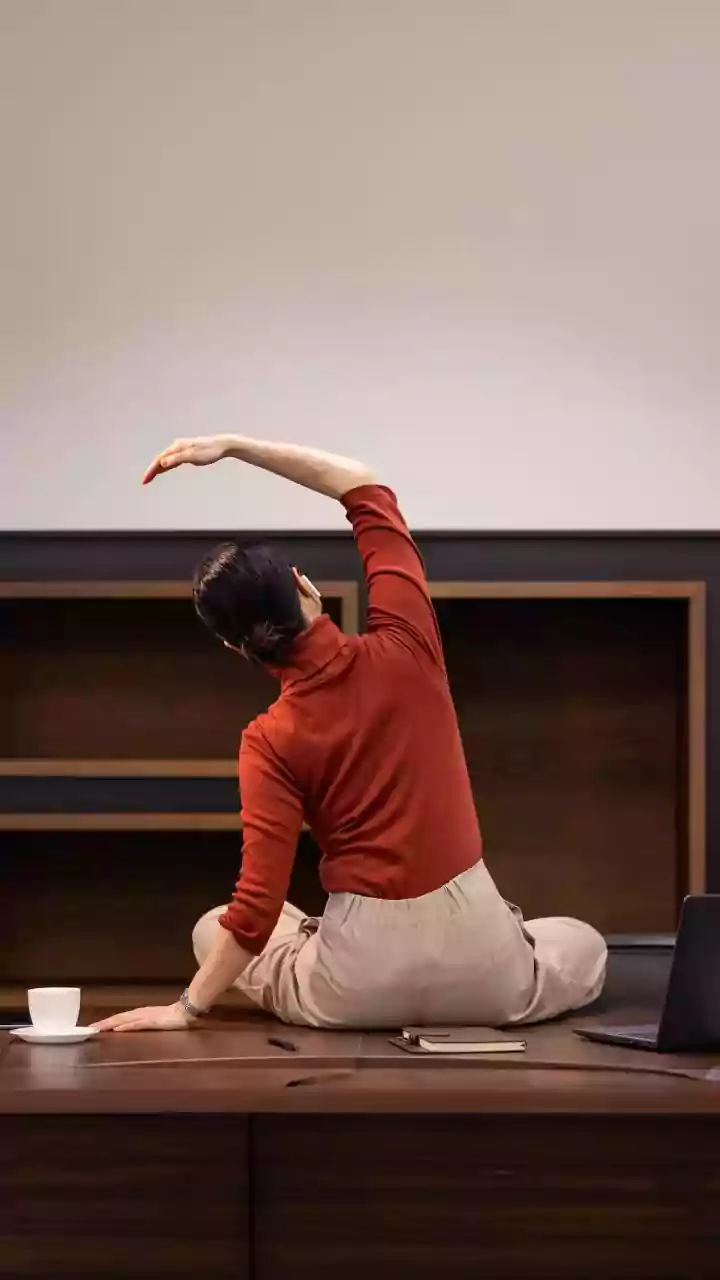






What is Active Recovery?
Active recovery is the practice of engaging in low-intensity exercise after a strenuous workout. Unlike passive recovery, which involves complete rest, active recovery keeps your body moving. The goal is to stimulate blood flow to your muscles, which helps
deliver oxygen and nutrients needed for repair while flushing out metabolic waste products that contribute to soreness. Think of it as a cool-down that extends into your rest day, helping to reduce stiffness and improve your overall fitness without adding extra strain to your body. It's about working with your body's natural healing processes, not against them.
Walking: The Accessible Recovery Tool
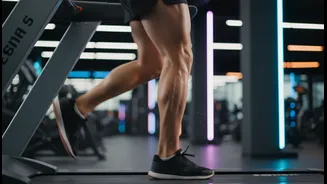
Walking is perhaps the most accessible and fundamental form of active recovery. It requires no special equipment and can be done almost anywhere. A brisk 20 to 30-minute walk the day after an intense session can significantly reduce muscle soreness and stiffness. This low-impact activity increases circulation, helping to clear lactic acid from the muscles and keep them supple. It also helps restore normal movement patterns, especially after workouts that involve repetitive motions like running or cycling. The key is to keep the pace conversational and the effort light; the goal is to feel refreshed, not fatigued.
Swimming: The Zero-Impact Wonder
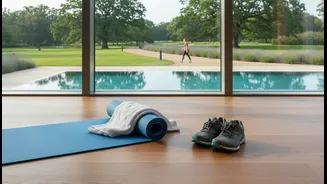
Swimming is a powerhouse for active recovery because it combines gentle resistance with zero impact. The buoyancy of water supports your body, taking the strain off sore muscles and joints, which is especially beneficial after high-impact activities like weightlifting or running. This allows you to work your entire body, promoting blood flow and reducing inflammation without the usual stress. Studies have shown that athletes who use swimming for recovery can often perform better in their next workout compared to those who rest completely. The water's hydrostatic pressure also helps improve circulation, making swimming an efficient way to help your muscles heal.
Mobility: The Foundation of Fluid Movement
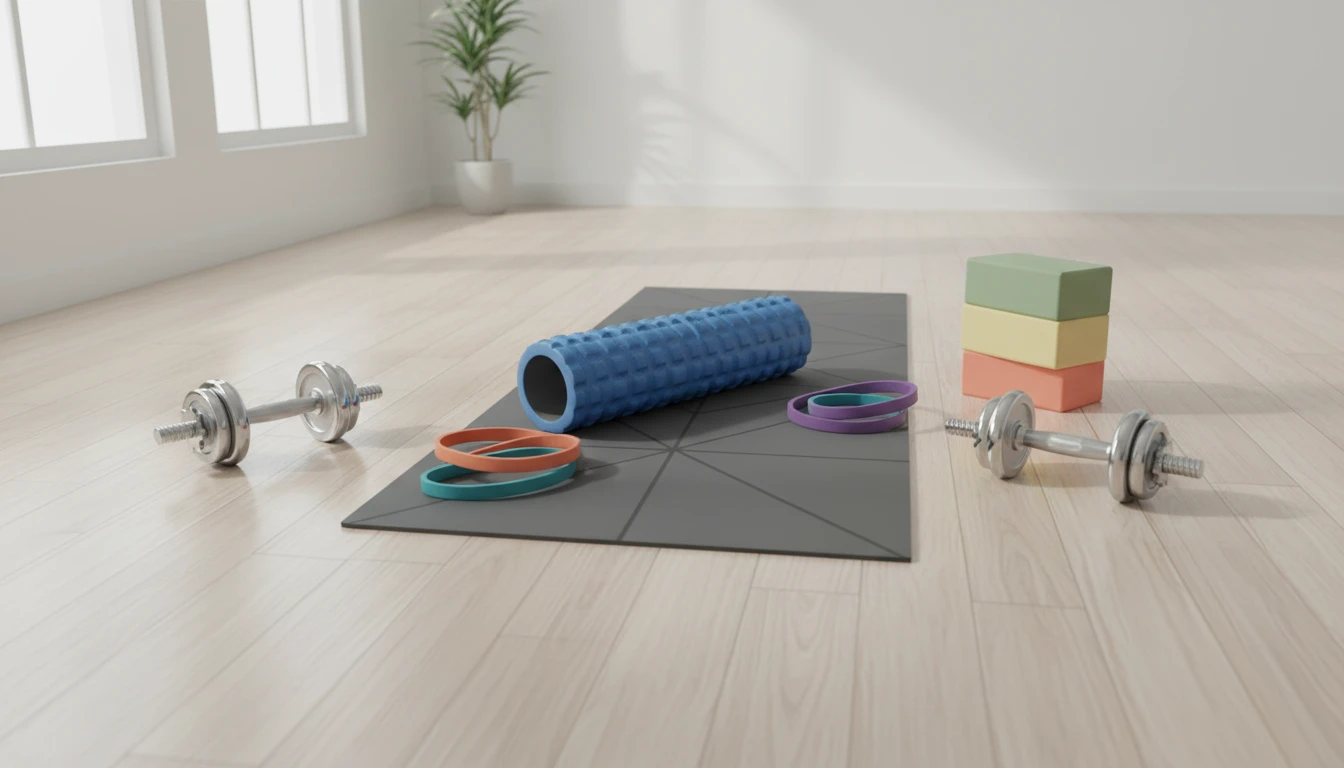
Often confused with simple stretching, mobility work is about improving the range of motion around your joints. It involves dynamic movements like cat-cow poses, leg swings, and spinal rotations. These exercises are crucial for active recovery because they address the stiffness that comes from both intense exercise and a sedentary lifestyle. Incorporating a short, 10-minute mobility routine can release muscle tension, activate key stabilising muscles, and help prevent injuries by ensuring your joints can move freely and efficiently. It’s a proactive way to maintain your body’s functional movement, ensuring you are ready for your next big workout.
How to Build Your Own Routine
Integrating active recovery into your fitness plan is simple. The key is to listen to your body and choose an activity that feels restorative, not punishing. On the day after a heavy leg workout, consider a 30-minute walk or a gentle swim. If your upper body is sore, focus on lower-body mobility exercises. You can also incorporate active recovery between sets during a workout, such as walking around the gym instead of sitting down. A 10-minute mobility session can be a perfect start to your day or a great way to wind down. The idea is to make recovery an active, intentional part of your overall health, ensuring you come back stronger, more resilient, and ready for your next challenge.