







The Advantage of Cooler Soil
Think of planting as a race. In the scorching heat, a young plant's roots are immediately put under stress. Hot soil can literally cook delicate root hairs, hindering their ability to absorb water and nutrients. The plant has to divert precious energy
to simply survive the heat, rather than establishing itself. In contrast, cooler soil provides a gentle, welcoming environment. When you plant a sapling or sow a seed in milder temperatures, its roots are encouraged to grow deep and wide without the threat of heat shock. This strong foundation is crucial, allowing the plant to build resilience and store energy long before the next summer's heatwave arrives. A plant with a robust root system established in the cool season is far better equipped to handle stress later on.
A Respite from Water Worries
The daily chore of watering can feel relentless during peak summer. High temperatures cause rapid evaporation, both from the soil surface and through a plant's leaves in a process called transpiration. This means much of the water you provide is lost to the air before it can be used by the plant. Cooler weather dramatically changes this equation. Lower temperatures mean less evaporation from the soil, keeping it moist for longer. Plants also lose less water through their leaves, reducing overall water stress. This isn't just a convenience for the gardener; it's a huge benefit for the plant. Consistent moisture, without the cycle of wilting and reviving, leads to healthier, more vigorous growth. You'll find yourself watering less often, saving water, time, and effort, all while your plants thrive.
Winning the War on Pests
Young, tender plants are a gourmet meal for many garden pests. Aphids, spider mites, and whiteflies, for example, multiply rapidly in warm, humid conditions, quickly overwhelming vulnerable seedlings. Trying to establish a garden while simultaneously fighting off a pest explosion is a frustrating and often losing battle. The cool season is your strategic ally. Many of these common pests are far less active or enter a dormant phase when temperatures drop. This creates a crucial window of opportunity where your young plants can grow and strengthen without the constant pressure of being eaten. By the time warmer weather returns and pest populations rebound, your plants will be larger, stronger, and better able to withstand minor attacks.
What to Plant for a Winter Harvest
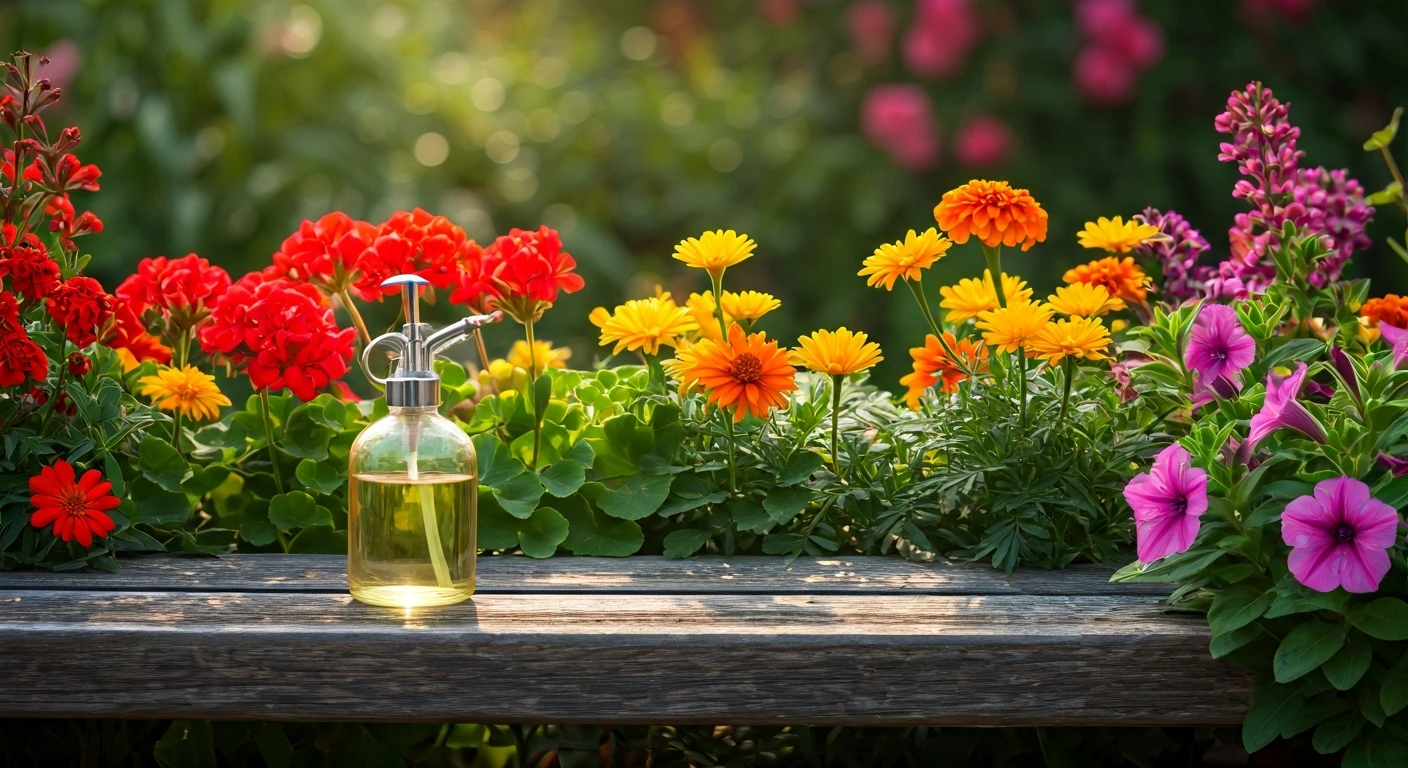
The cool season is particularly perfect for a wide range of vegetables and flowers. This is the prime time for leafy greens that tend to bolt (flower prematurely) in the heat, such as spinach (palak), lettuce, coriander (dhania), and fenugreek (methi). Root vegetables also thrive in cool soil, which encourages root development over leaf growth. Think carrots, radishes, beetroots, and turnips. For a splash of colour, many winter flowers are best sown now. Marigolds, petunias, pansies, calendula, and phlox will establish themselves in the cool months and reward you with a spectacular bloom as the season progresses. These plants are genetically programmed to perform their best in milder temperatures, making your success almost guaranteed.
Preparing Your Garden for Success
To take full advantage of the cool season, a little preparation goes a long way. Before you start planting, take the time to enrich your soil. Remove any weeds and old plant debris. Mix in a generous amount of well-rotted compost or manure. This adds vital nutrients and improves soil structure, helping it retain moisture and drain well. If you're using pots, refresh the potting mix with fresh compost. Ensure your chosen spot receives adequate sunlight—even in winter, most vegetables need at least 4-6 hours of direct sun. A well-prepared bed gives your plants the best possible start, compounding the natural advantages of the cool weather.