


Vrikshasana, or Tree Pose, looks simple but is a powerful tool for improving balance, focus, and strength. This guide breaks down the classic standing pose and its variations, making it accessible for everyone, from absolute beginners to seasoned yogis.
Why Practice Tree Pose?
Tree Pose is more than just a balancing act; it's a form of moving meditation that connects the mind and body. Physically, it strengthens the thighs, calves, ankles, and spine. By engaging the standing leg and core, it enhances stability and improves posture. Mentally, the practice of holding a steady gaze (drishti) on a single point calms the mind, sharpens concentration, and reduces stress. It also provides a gentle hip-opening stretch for the raised leg. Regular practice cultivates a sense of groundedness and inner equilibrium that can carry over into your daily life.
Your Step-by-Step Guide to Tree Pose
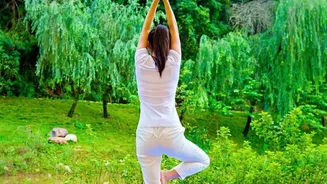
Begin in Mountain Pose (Tadasana), standing tall with your feet together or hip-width apart. Spread your toes to create a stable base. Shift your weight onto your left foot, firming the muscles of your standing leg. Find a fixed point in front of you to gaze at. Bend your right knee and use your hand to guide your right foot to the inside of your left leg. The crucial rule is to place the foot either high on the inner thigh or lower on the calf—never directly on the knee joint, as this can cause strain. Once placed, press your foot firmly into your leg and your leg back into your foot to create stability. Keep your hips level and facing forward. Bring your hands to your heart in a prayer position (Anjali Mudra). Hold for 30 seconds, breathing steadily, before gently releasing and repeating on the other side.
Beginner Variation: The Kickstand
If lifting your foot feels wobbly, the kickstand variation offers a perfect starting point. Instead of lifting the foot completely, simply bend your right knee out to the side and place your right heel on your inner left ankle, keeping the toes of your right foot on the floor for support. This allows you to practice the alignment of opening the hip and keeping the pelvis level without the full challenge of balancing. You can even use a wall for extra support by placing a hand on it. This modification helps build confidence and strengthens the ankle of the standing leg.
Intermediate Variation: Foot on the Calf
Once you feel steady in the kickstand pose, the next step is to place the sole of your foot on the inner calf of your standing leg. This variation increases the balance challenge while still providing a broad, stable surface for the foot. Remember to actively press the foot and calf against each other to create an engaged connection. Continue to focus on your drishti and keeping the standing leg strong and straight, but not locked at the knee. This is an excellent intermediate step before progressing to the full expression of the pose.
Express Yourself: Arm Variations
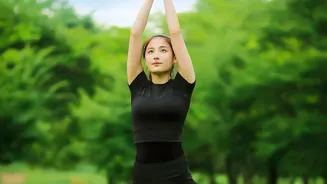
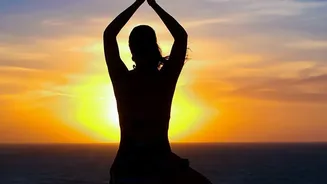
Once you feel stable in your leg position, you can play with different arm movements. The most common variation is to extend the arms straight overhead, either parallel or with palms touching, like the branches of a tree reaching for the sun. This lengthens the spine and challenges your balance further. For another variation, you can try a side bend by keeping one arm overhead and letting the other rest on your bent knee, creating a gentle stretch along your side waist. Experimenting with arm positions adds a creative and expressive element to your practice.
Common Mistakes to Avoid
To get the most out of your Tree Pose, watch out for a few common misalignments. The most critical is placing the foot directly on the knee, which puts sideways pressure on the joint. Always go above or below the knee. Another common error is letting the hip of any bent leg hike up; focus on keeping your hips square and level. Avoid leaning your torso to any side to compensate for any lack of balance. Instead, engage your core muscles to stay centered. Finally, don't let any standing foot turn outward; keep it pointing straight ahead to protect any knee and hip alignment.