




Why Bhandardara Is Your Next Getaway
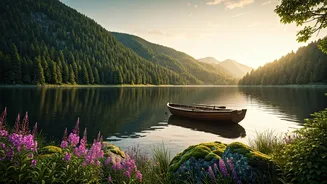
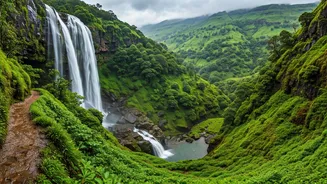
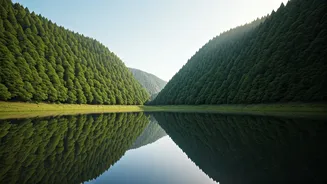
Located in the Ahmednagar district of Maharashtra, Bhandardara is a quiet hill station that feels a world away from the urban rush. Its main draw is Arthur Lake, a vast and placid body of water formed by the Wilson Dam on the Pravara River. Surrounded
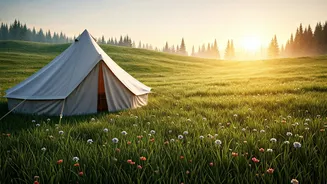
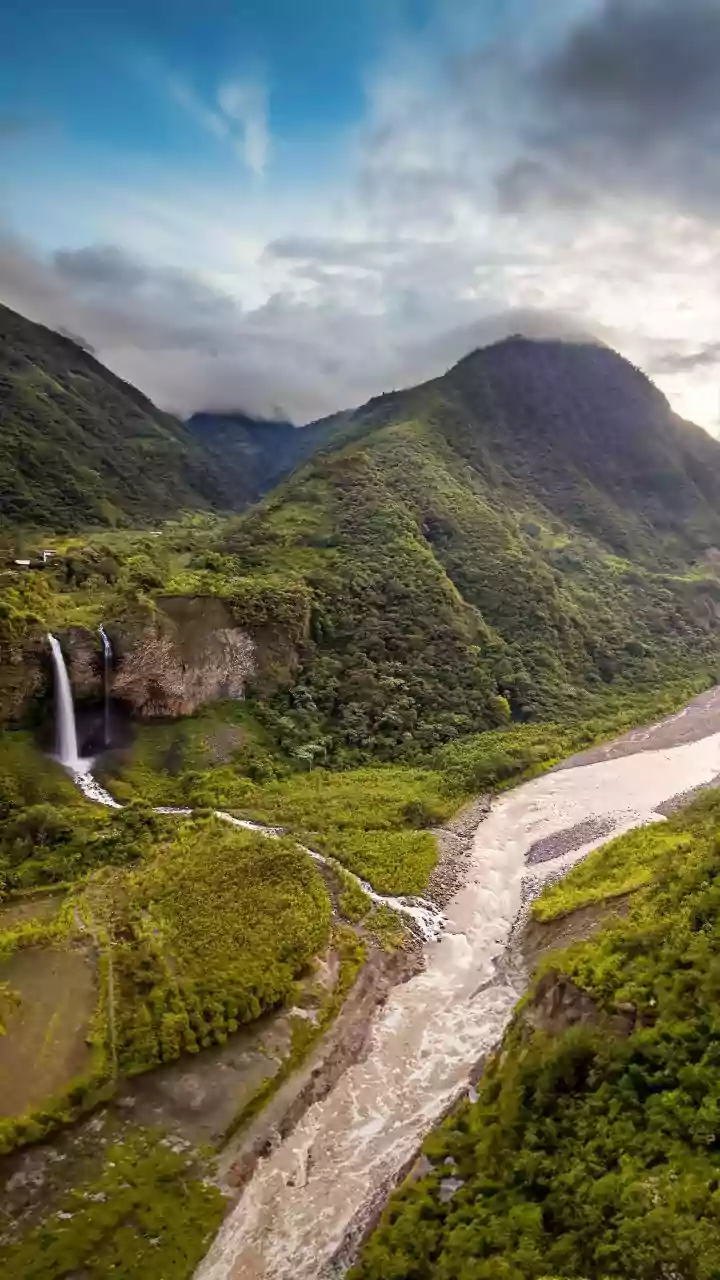
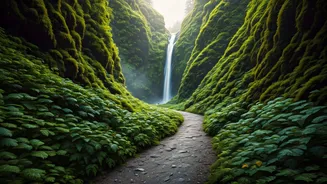
by the rolling hills of the Sahyadri range, the area is a tapestry of lush meadows, gushing waterfalls (post-monsoon), and ancient forts. Unlike more commercialised destinations, Bhandardara offers a raw, unfiltered connection with nature, making it an ideal setting for camping. It’s a place where the agenda is set by the sunrise and sunset, and the only soundtrack is the gentle lapping of water and the chirping of birds.
The Journey to Tranquility
Reaching Bhandardara is part of the adventure. For those driving from Mumbai, it's approximately a 165-kilometre journey that takes around 4-5 hours. The route via NH160 is scenic, especially as you leave the highway and begin the ascent into the ghats. From Pune, the distance is similar, about 175 kilometres. The roads can be narrow and winding in the final stretch, so it's advisable to drive during daylight. If you prefer public transport, the nearest railway station is Igatpuri, around 45 kilometres away. From there, you can hire a local taxi or take a state transport bus to reach Bhandardara. This latter option is not only budget-friendly but also reduces your carbon footprint.
Choosing Your Lakeside Campsite
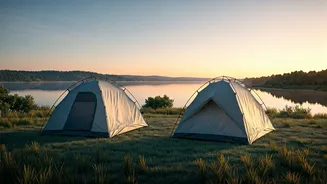
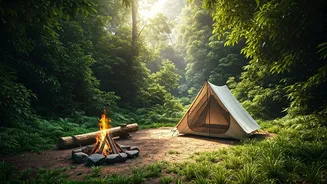
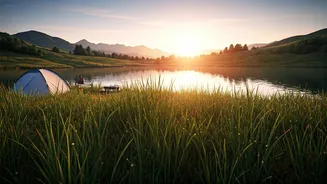
Bhandardara’s lakeside meadows are dotted with camping opportunities. You have two main choices: booking with an established camping operator or, for the more adventurous, finding a spot to pitch your own tent (after checking local permissions). Numerous local operators offer all-inclusive packages that typically provide tents, meals, and activities like bonfires and boating. When choosing an operator, ask about their waste management policies and how they contribute to the local economy. A truly sustainable operator will be transparent about their practices. Look for those who employ local guides, source food from nearby villages, and have a strict 'leave no trace' policy. This ensures your money supports the community and conservation efforts.
The Core of Sustainable Camping
Camping sustainably is about being a conscious visitor. The golden rule is 'Leave No Trace', which means leaving your campsite exactly as you found it—or even better. First, pack out everything you pack in. This includes all food wrappers, bottles, and any other waste. Carry a dedicated garbage bag and dispose of it responsibly in a designated bin back in a town. Second, be mindful of campfires. Use existing fire pits if available and keep fires small. Never cut down trees for firewood; use only fallen, dead wood or, better yet, a portable stove for cooking. Third, respect the local ecosystem. Do not use chemical soaps or shampoos in the lake; opt for biodegradable alternatives if you must. Finally, keep a respectful distance from wildlife and avoid playing loud music that disturbs the natural peace.
Beyond the Tent: Responsible Exploration
While the main attraction is relaxing by the lake, Bhandardara has more to offer. Visit the historic Wilson Dam and take in the panoramic views from the top. A short drive away is the Amruteshwar Temple, an intricately carved stone temple dedicated to Lord Shiva, dating back over a thousand years. For trekkers, the trails to Ratangad and Harishchandragad forts offer challenging climbs and rewarding vistas. When visiting these sites, stick to marked paths to prevent soil erosion. One of the most magical, and completely zero-impact, activities is stargazing. Away from city lights, the night sky over Bhandardara is a breathtaking spectacle of stars and constellations.
When to Go and What to Pack
The best time to camp in Bhandardara is from late September to February. The post-monsoon months (September to November) offer lush green landscapes and pleasant weather. The winter months (December to February) are cooler, with clear skies perfect for stargazing, though you'll need warm layers for the chilly nights. To pack sustainably, bring a reusable water bottle to avoid single-use plastic, a solar-powered charger or power bank for your electronics, and a cloth bag for any local shopping. Comfortable walking shoes, insect repellent, a basic first-aid kit, and warm clothing are essential. And don't forget your camera to capture the stunning scenery.