



An Agricultural Powerhouse
Every July, the CODISSIA Trade Fair Complex in Coimbatore transforms into the epicentre of Indian agriculture. Agri Intex, organised by the Coimbatore District Small Industries Association (CODISSIA), is one of South India's largest and most influential
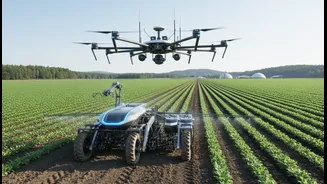
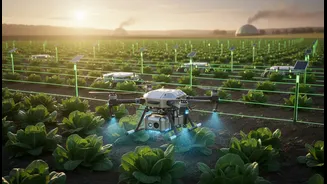
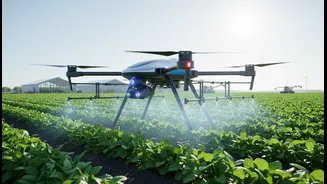
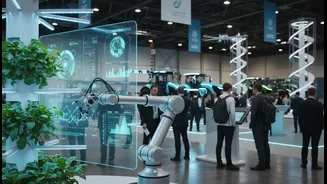
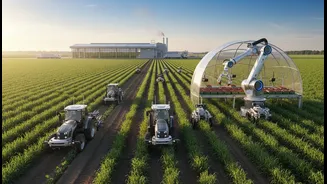
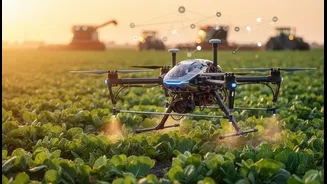
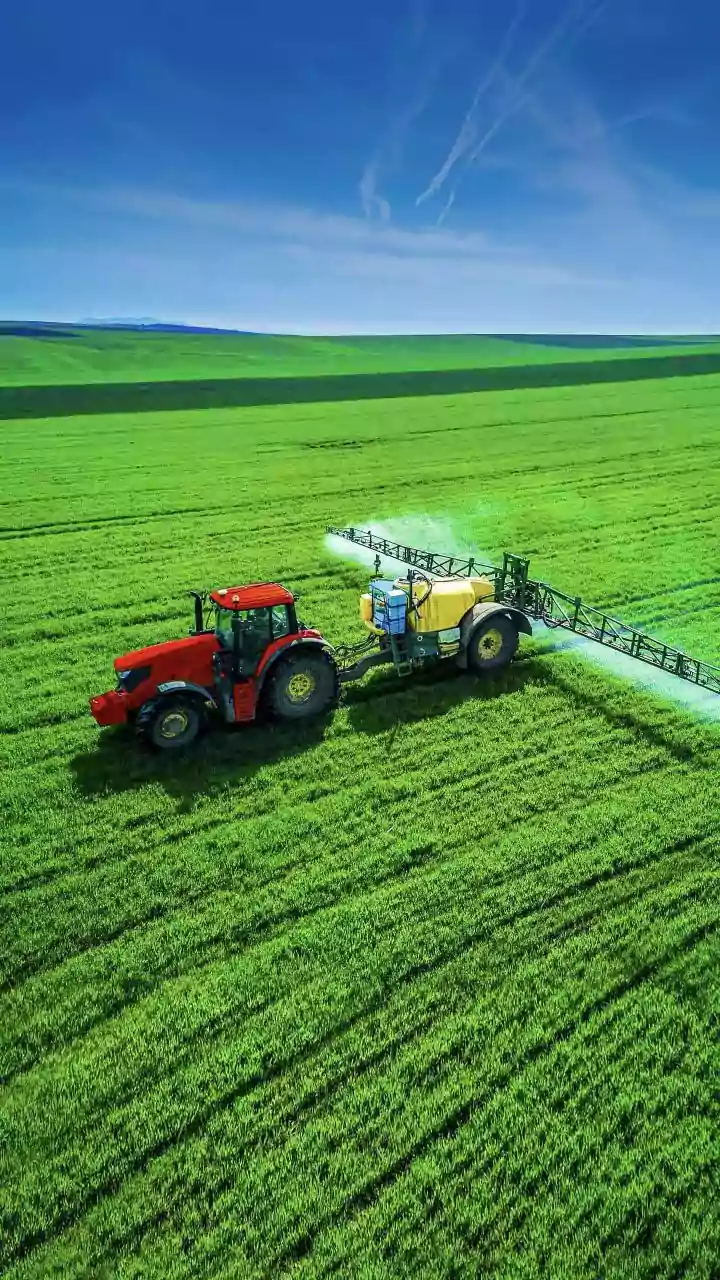
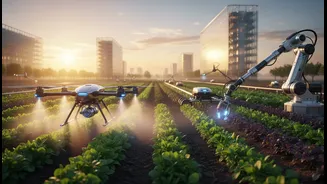
agricultural trade fairs. For over two decades, it has brought together everyone from farmers and agri-entrepreneurs to national and multinational companies. The 24th edition, held from July 9-13, 2026, continues this legacy, featuring over 500 exhibitors and expecting more than 100,000 visitors. On display is a vast array of innovations: farm machinery, smart irrigation systems, agri-drones, dairy farming technology, and post-harvest solutions. But beyond the impressive machinery and bustling crowds, the event is gaining a new reputation as a vital bridge between two worlds that have historically remained too far apart: the laboratory and the land.
The Lab-to-Land Gap
For years, a persistent disconnect has defined Indian agriculture. On one side, you have premier research institutions like the nearby Tamil Nadu Agricultural University (TNAU), a hub of cutting-edge research in crop science, biotechnology, and sustainable farming. On the other, you have the industry — a mix of large corporations, small businesses, and millions of farmers who need practical, scalable, and affordable solutions. Studies have consistently shown an absolute need for stronger linkages between universities and industries to improve agricultural education and outcomes. While academic institutions produce valuable research, it often remains confined to journals and laboratories. Industry players, meanwhile, may lack the deep scientific expertise to develop next-generation products. This gap hinders innovation, slows down the adoption of new technologies, and ultimately impacts farm productivity and profitability.
A Platform for Partnership
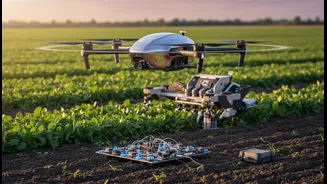
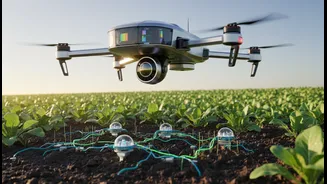
This is precisely the gap Agri Intex is beginning to fill. It has evolved from a simple product showcase into a dynamic platform for real collaboration. The event facilitates targeted B2B meetings, expert-led seminars, and networking opportunities that bring scientists, researchers, and students into direct contact with manufacturers, investors, and agribusiness leaders. Organisers have noted that academics and researchers attend to gain practical insights into market-ready technologies and receive feedback directly from farmers and businesses. This interaction is no longer accidental; it's by design. The fair has become a neutral ground where a professor from TNAU can discuss a new drought-resistant seed variety with a seed company's CEO, or a startup incubated at the university can demonstrate its soil-testing drone to potential investors and distributors.
From Handshakes to MOUs
The connections forged at Agri Intex are leading to tangible outcomes. While specific announcements from the 2026 event are still being finalised, the trend in recent years points towards more formalised partnerships. Events like this are increasingly where Memorandums of Understanding (MoUs) are discussed and signed. These agreements can cover joint research projects, technology licensing, student internships, and curriculum development. For example, a company developing precision irrigation systems might partner with TNAU to conduct field trials and validate its technology, as TNAU has previously done with companies like ITC. In return, the university gains access to real-world data and ensures its research is commercially relevant, while students get invaluable industry exposure that enhances their employability. This creates a powerful cycle: industry needs drive academic research, which in turn fuels new products and solutions that are showcased at the next Agri Intex.
Cultivating the Next Generation
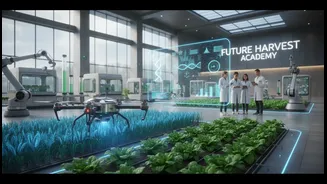
Perhaps the most significant long-term impact of Agri Intex is its influence on the next generation of agricultural professionals. By dedicating specific visiting times for students and actively involving institutions like TNAU, the expo exposes young minds to the business and technology of modern farming. Seeing the excitement around agri-tech startups and the demand for innovation can help reframe agriculture as a promising, high-tech career path, countering the trend of younger generations moving away from farming. It helps academia understand what skills the industry actually needs, allowing them to better prepare graduates for the jobs of the future, whether in data science, agricultural engineering, or agribusiness management. This focus on building human capital is essential for the sector's sustainable growth.