





What Exactly is Changing?
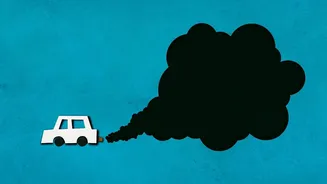
The Ministry of Road Transport and Highways has released draft rules for the next generation of vehicle standards, called Bharat Stage VII (BS-VII). This isn't just one change; it's a two-pronged approach. First, it targets pollution from traditional
petrol and diesel engines more aggressively. Second, it introduces crucial new rules for the longevity and performance of batteries in electric vehicles (EVs). The goal is to tackle air pollution from multiple angles and simultaneously build consumer trust in the growing EV market. The new standards are currently in a draft stage, and the government is inviting public feedback before they are finalised.
BS-VII: Beyond the Tailpipe
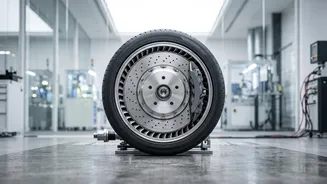
Since April 2020, India has followed BS-VI norms, which significantly cut down on harmful pollutants. The proposed BS-VII standards go a step further. While some core exhaust emission limits for cars for pollutants like Nitrogen Oxides (NOx) remain the same as BS-VI, the focus shifts to a more holistic view of pollution. The new rules will regulate, for the first T, particulate matter generated from brake and tyre wear—sources of pollution that even EVs produce. They will also measure finer, more dangerous particles by lowering the detection threshold. A key change is the emphasis on real-world performance. Vehicles will be fitted with On-Board Monitoring (OBM) systems to continuously track emissions, ensuring they stay clean throughout their operational life, not just in a lab test.
New Rules for Electric Vehicle Batteries
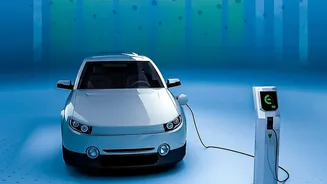
A major part of the proposal is dedicated to electric vehicles, specifically the durability of their most expensive component: the battery. The draft mandates minimum performance standards for EV batteries to ensure they last. For new electric cars and plug-in hybrids, batteries would have to retain at least 75% of their original energy capacity after five years or 100,000 kilometres, whichever comes first. This extends to at least 67% capacity after eight years or 160,000 kilometres. These rules are designed to give buyers peace of mind, knowing their EV's battery won't degrade excessively over a reasonable period, which has been a significant concern for potential adopters.
When Will This Happen?
The rollout is planned in phases to give the industry time to adapt. For new passenger cars and SUVs, the first phase of BS-VII exhaust emission rules is proposed to start on April 1, 2029. This will be followed by rules for light commercial vehicles in 2030 and heavy-duty vehicles like buses and trucks in 2031. The regulations for non-exhaust emissions, like brake dust and tyre wear, will begin from 2031 for cars. It's important to note that these new rules will only apply to vehicles manufactured after these dates; they will not affect existing BS-VI or older vehicles already on the road.
The Impact on Buyers and the Industry
These upgrades come at a cost. More advanced emission control systems, new on-board monitoring technology, and more durable batteries will likely increase manufacturing costs. This could translate to higher sticker prices for new vehicles. However, buyers will also receive an 'Environmental Vehicle Passport', providing clear information on their vehicle's fuel consumption, emissions, and battery health. For the auto industry, the timeline is a challenge. Manufacturers have expressed concerns that the proposal provides inadequate time to re-engineer vehicles, which could disrupt product launches and divert resources from EV development.