
A Green Wave in Indian Cafes
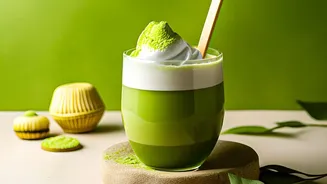
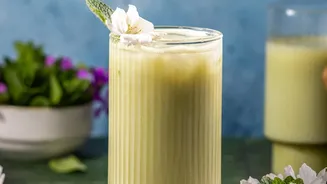
Walk into a trendy cafe in Mumbai, Bangalore, or Delhi, and you'll see more than just shades of brown. Vivid green, golden yellow, and even pink lattes are dotting the menu. These are superfood lattes, and they are quickly moving from a niche health trend to a mainstream
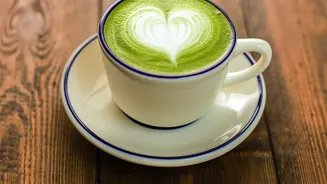
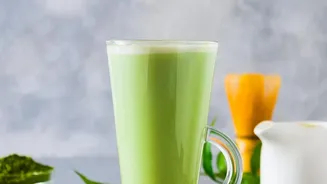
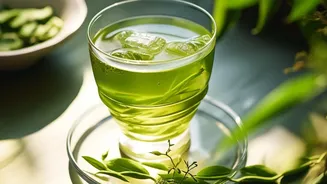
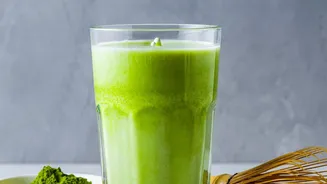
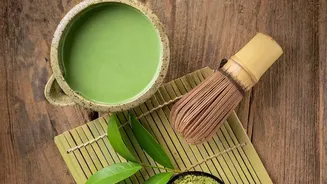
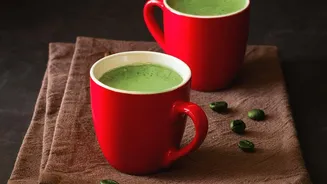
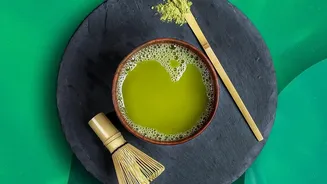
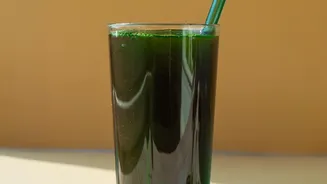
beverage choice. Matcha, a powdered green tea from Japan, is leading the charge, with its Indian market growing at a remarkable 8.6% annually. But it’s not alone. Moringa, a nutrient-dense plant native to India, is also being blended into creamy lattes, creating a fusion of global wellness trends and local heritage. This shift is part of a larger movement where consumers, particularly Gen Z and millennials, are looking for drinks that do more than just deliver a caffeine kick.
The Quest for 'Functional' Wellness
The core appeal of these superfood lattes lies in their perceived health benefits. Consumers in India are increasingly seeking out 'functional' beverages—drinks that provide tangible benefits like immunity support, sustained energy, or digestive comfort. Matcha, for instance, offers a unique combination of caffeine for alertness and L-theanine, an amino acid that promotes a state of calm focus without the jitters often associated with coffee. It's billed as a source of 'calm energy'. Moringa, on the other hand, is a caffeine-free powerhouse packed with vitamins, minerals, and iron, offering a gentle energy lift. This makes it an ideal alternative for those sensitive to stimulants. Unlike the sharp jolt and potential crash from a strong coffee, these superfood lattes promise a smoother, more sustained sense of wellbeing.
Made for the Social Media Feed
In today's visually-driven world, a beverage's aesthetic is almost as important as its taste. Superfood lattes are incredibly photogenic. The vibrant, natural colours of matcha green, turmeric gold, or beetroot pink stand out on a social media feed, sparking curiosity and driving organic interest. This 'Instagrammable' quality has been a huge factor in their rapid rise, turning customers into marketers. For many younger consumers, ordering a colourful latte is about storytelling and expressing a lifestyle choice that values both aesthetics and health. Cafes have leaned into this, understanding that an unusual and beautiful drink is a powerful way to differentiate themselves and attract new customers.
Is Iced Coffee Really Losing Ground?
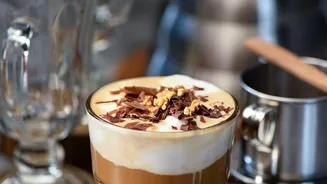
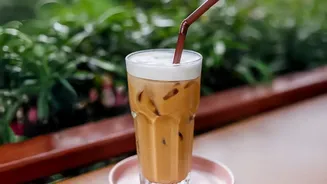
While superfood lattes are gaining momentum, it's not quite time to declare the end of iced coffee. The Indian coffee market, especially the ready-to-drink (RTD) and cold coffee segments, is booming, largely fuelled by Gen Z's preference for convenient, on-the-go options. Iced lattes and cappuccinos still command a massive share of the market, leveraging familiar flavours. Rather than a direct replacement, what we are seeing is an expansion and diversification of the beverage market. Consumers aren't necessarily abandoning coffee; they're adding new options to their repertoire. The rise of superfood lattes reflects a broader trend where the market is growing to accommodate a wider range of tastes and priorities, from pure caffeine enjoyment to functional wellness.
A New World of Flavours
The shift also signals an evolution in the urban Indian palate. Consumers are becoming more adventurous, moving beyond the familiar bitterness of coffee and sweetness of chai. Matcha offers a complex, earthy, and slightly savoury 'umami' flavour, which can be an acquired taste but is winning over enthusiasts. Moringa has a milder, 'green' taste often compared to spinach. The popularity of these distinct flavour profiles shows a growing curiosity for new sensory experiences. It’s a move away from simply masking bitterness with milk and sugar, and towards appreciating the inherent taste of the core ingredient. This culinary exploration is a key part of the appeal, offering a novel alternative in a crowded beverage landscape.