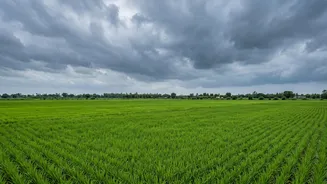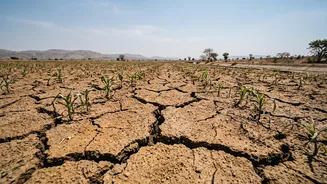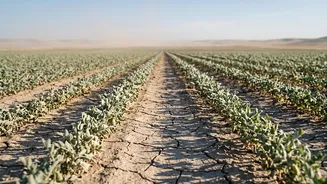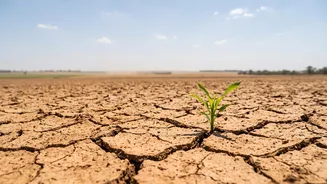




A Dry End to a Vital Season
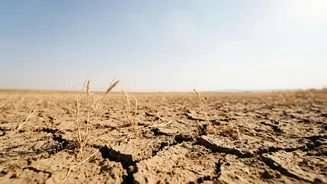
The India Meteorological Department (IMD) has officially forecast that September 2026 is likely to see 'below-normal' rainfall, receiving less than 91% of its typical long-period average. This comes on the heels of an already challenging season. After
a brief recovery in July, rainfall weakened again, and the country registered a cumulative deficit of around 14% between June and August. The month of August 2026 was also recorded as the warmest since 1901. This combination of low rainfall and high temperatures, driven by strengthening El Niño conditions, is creating significant moisture stress across key agricultural belts.
Why September's Rain Is Crucial
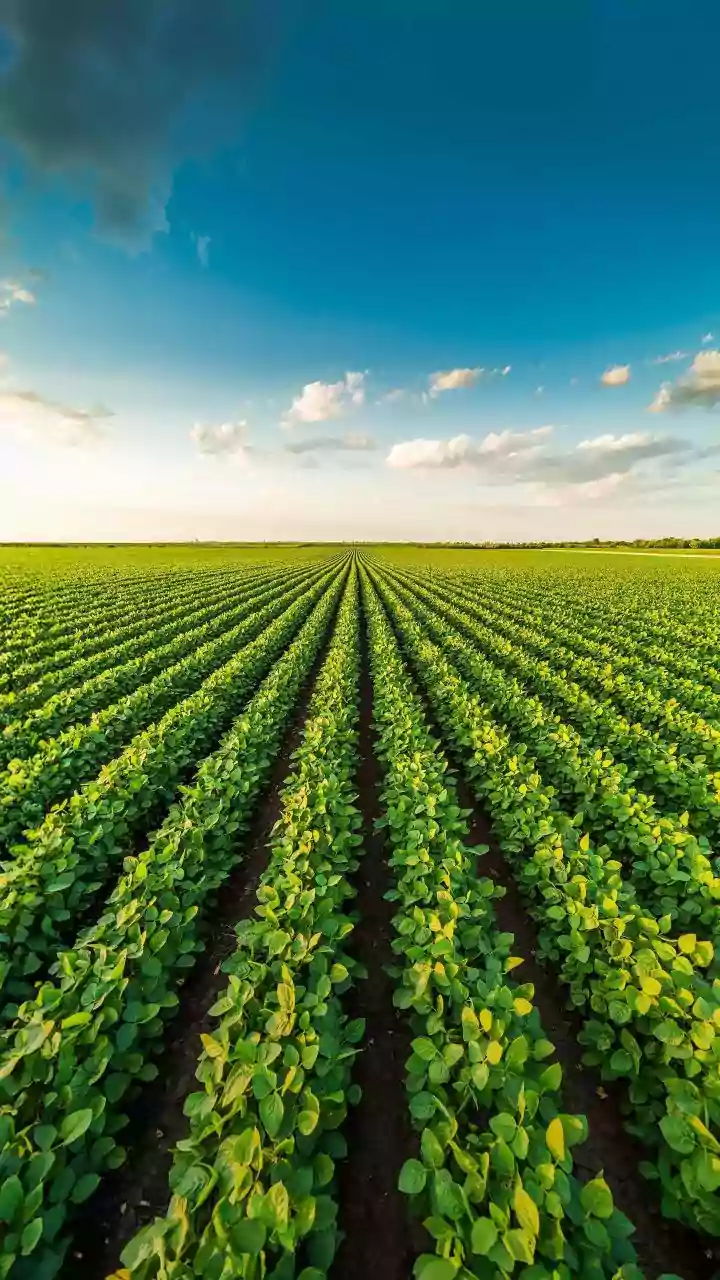
September is not just the closing chapter of the monsoon; for many farmers, it's the most important one. Late-sown Kharif (summer) crops depend on this final burst of rain for their crucial grain-filling and maturation stage. Crops like paddy, pulses, soybeans, and corn are in a vulnerable phase where a lack of water can severely impact their final output. Furthermore, these late rains are vital for recharging reservoirs and replenishing soil moisture. Without adequate moisture in the ground, the sowing of the next major crop cycle—the winter or Rabi season, which includes staples like wheat and chickpeas—is put at risk. A dry September, therefore, casts a long shadow, threatening both the current and the upcoming harvest.
The Crops Facing the Greatest Threat
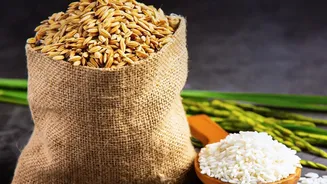
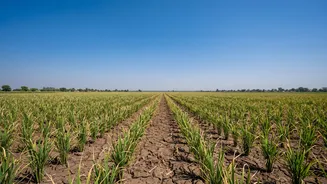
The impact of the rainfall deficit is not uniform, but several key crops are directly in the line of fire. Rice, a staple for a majority of Indians, is a primary concern, especially in eastern states where deficits have been pronounced. The government has already noted that the acreage for rice and corn planting was trailing last year's levels as of late August. Other vital commodities like sugar cane, soybeans, and cotton are also facing moisture stress in major growing regions in the west and south. According to early estimates from international bodies like the USDA's Foreign Agricultural Service, this weak end to the monsoon could lead to a tangible decline in India's rice and corn production for the year.
From Field to Market: The Supply Chain Squeeze
A reduction in crop yields is the first link in a chain of potential disruptions. Lower production on the farm translates directly to tighter supplies in the wholesale markets, or mandis. This creates a challenging environment for procurement and can lead to heightened competition for available stock, pushing up baseline costs. The effects are felt down the line, from food processors to distributors and retailers. The uneven nature of the monsoon adds another layer of complexity. While some regions may have a surplus, others face severe shortfalls, stressing logistics networks as supplies need to be moved across the country to meet demand. This inefficiency can add to the final cost of food items on the shelf.
The Ripple Effect on Your Wallet
For the average consumer, the most direct impact of a weak monsoon is the threat of rising food prices. Food inflation was already showing signs of accelerating even before the poor September forecast, with prices rising in July. When the supply of essential commodities like pulses, vegetables, and oils tightens, prices naturally trend upward. This not only strains household budgets but can also have broader economic consequences, impacting rural demand and overall economic growth. Experts are watching closely, as a sustained period of food-driven inflation could pose a significant challenge for policymakers trying to maintain economic stability.