










The Anatomy of a Product Claim
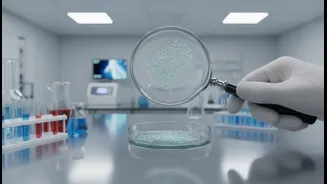
In mass manufacturing, products are made in large quantities called batches. To ensure quality, companies perform testing. However, this is often done on a representative sample from a batch. This means a single, small selection of a product is analysed
for its properties—be it the protein content in a health supplement, the purity of an oil, or the thread count of a bedsheet. The results from this single test can then be used to create marketing claims that appear on the packaging of millions of units produced over months or even years. This process, known as batch testing, is a cornerstone of quality control in industries from pharmaceuticals to food. The fundamental issue is not the testing itself, but the disconnect between the sample and the final product a consumer buys. Without a direct link, the claim on the package becomes a general statement, not a verifiable fact about that specific item.
The Widening Trust Gap
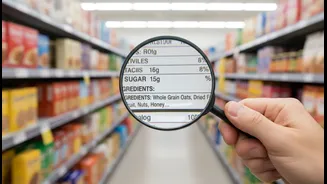
This disconnect creates a significant gap in consumer trust. When a product fails to live up to its promise, the damage can be immense. Studies and consumer behaviour show that people are increasingly demanding honesty and clear information from brands. If a consumer discovers the 'high-potency' vitamin they purchased has a lower concentration than advertised, or a 'pure' food product contains unlisted additives, their trust is broken. This is not just a theoretical problem. It's a key driver of recalls, customer complaints, and long-term brand damage. The core issue is that while regulations from bodies like the FSSAI in India mandate how claims can be made and what sampling procedures should be followed, the everyday consumer has no way to verify if the product in their cart is from the same lineage as the one that earned the glowing lab report. This creates a system where trust is assumed, not proven.
A Simple Bridge to Transparency: The QR Code
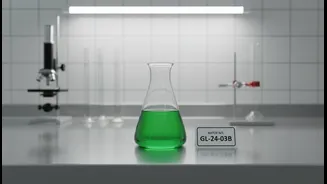
The solution is surprisingly simple and increasingly accessible: linking every product claim directly to the batch it came from. This is where batch traceability comes in. By assigning a unique number to each batch of goods produced, companies can create a detailed history of that product's journey. Modern technology offers an elegant way to share this information with consumers. A simple QR code on the packaging can serve as a portal to transparency. A quick scan with a smartphone could direct a customer to a webpage displaying the certificate of analysis, lab results, manufacturing date, and origin of the specific batch they are holding. This transforms a generic claim into a verifiable, batch-specific promise. It allows consumers to see for themselves that the product meets the stated quality standards, building a level of trust that traditional marketing cannot achieve.
The Business Case for Radical Honesty
Implementing batch-level traceability may seem like an added cost, but it's a powerful investment in brand equity and risk management. Brands that embrace this level of transparency can differentiate themselves in a crowded marketplace. Research shows that a significant majority of consumers are more loyal to transparent brands and are even willing to pay more for products that offer complete transparency. Furthermore, in the event of a quality issue or contamination, batch traceability is invaluable. Instead of issuing a massive, costly recall of all products, a company can conduct a targeted recall of only the affected batch, saving money and limiting reputational damage. It turns compliance from a regulatory burden into a competitive advantage, demonstrating a genuine commitment to quality and consumer safety that fosters long-term loyalty.
The Path Forward Is Digital
While implementing these systems has its challenges, such as data integration and managing information across complex supply chains, these are no longer insurmountable hurdles. The rise of affordable software and digital tools like dynamic QR codes means that this level of transparency is within reach for businesses of all sizes. For consumers, it means moving from a position of blind faith to one of informed choice. For regulators, it provides a more robust framework for ensuring public safety. The future of consumer goods is not just about what is claimed, but what can be proven. Linking a product claim to the specific batch that was sampled is the next logical step in building a more accountable and trustworthy marketplace.