





The Familiar Post-Feast Feeling
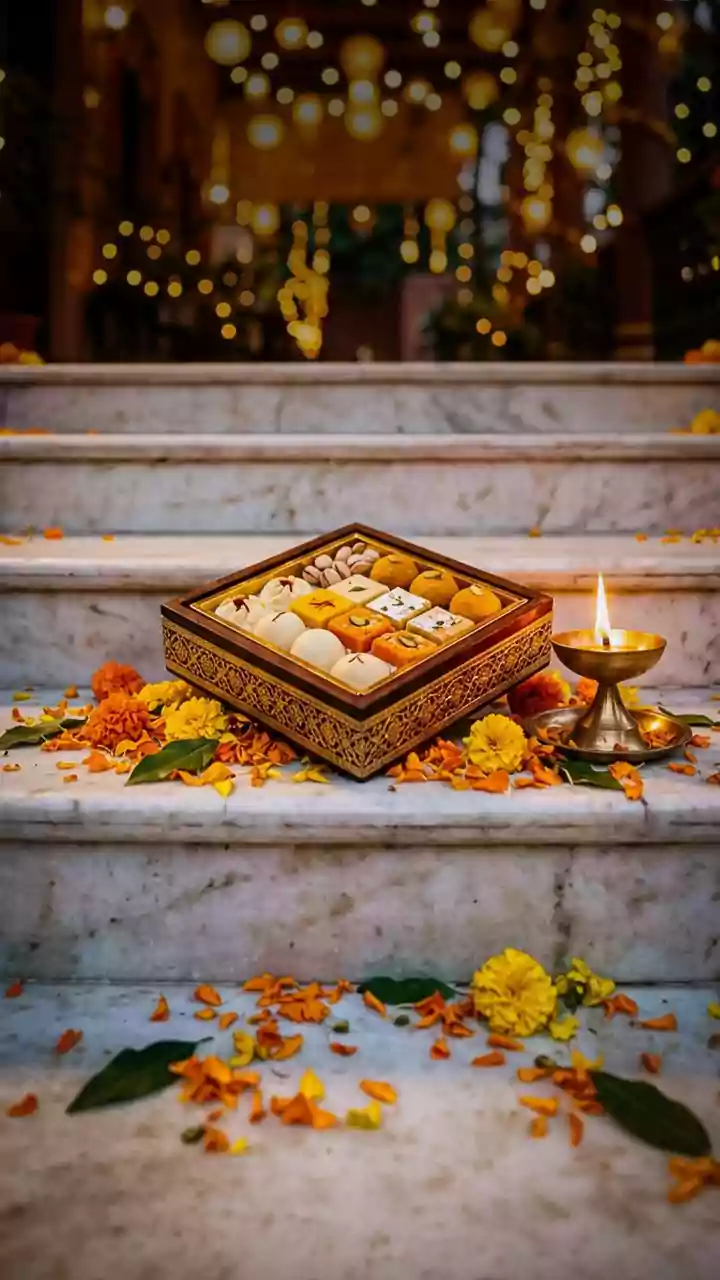
We all know the feeling. The joy of a festive meal shared with loved ones gives way to a sense of sluggishness, bloating, and that overstuffed feeling that makes you want to curl up and not move for hours. During celebrations like Diwali, Eid, or Christmas,
our tables are laden with fried snacks, rich curries, and decadent sweets. While indulging is part of the celebration, the aftermath can include indigestion, gas, and a general feeling of heaviness. This happens because large, rich meals take longer for our digestive system to process, leading to a build-up of gas and discomfort. The temptation is often to lie down, but being sedentary can actually make these symptoms worse.
How a Gentle Stroll Works Wonders
The magic of a post-meal walk lies in its simplicity and its science. Gentle physical activity stimulates your entire digestive system. When you walk, it encourages the muscles in your abdomen to contract, which helps move food through your stomach and intestines more quickly. This process, known as gastric motility, can significantly shorten the time food sits in your stomach, alleviating that 'too full' sensation. Furthermore, this movement helps to move trapped gas through the digestive tract, which is a primary cause of bloating and discomfort. It's a low-impact way to help your body do its job more efficiently after a heavy load.
Balancing Your Blood Sugar
Festive meals are often high in carbohydrates and sugar, which can cause a rapid spike in blood sugar levels, followed by a 'crash' that leaves you feeling tired and lethargic. Walking after a meal can have a remarkable effect on managing this. When you walk, your muscles begin to draw glucose from your bloodstream for energy. This helps to lower the post-meal blood sugar peak, preventing those dramatic spikes and crashes. Studies have shown that even a short walk of 2 to 15 minutes can be effective in lowering blood sugar levels. This not only helps you feel more energetic but is also a beneficial habit for long-term metabolic health.
The Art of 'Gentle': Timing and Pace
The key to a beneficial post-meal walk is in the words 'gentle' and 'short'. This is not the time for a power walk or a strenuous run. Intense exercise too soon after eating can divert blood flow away from your digestive system to your muscles, which can actually cause indigestion and cramping. Instead, the goal is a leisurely stroll. Aim to start your walk about 10 to 15 minutes after you finish eating. A duration of 10 to 20 minutes is more than enough to reap the digestive benefits. The pace should be relaxed, where you can easily hold a conversation. Choose a flat, comfortable path and simply enjoy the light movement.
More Than Just Physical Comfort
Beyond the digestive benefits, a gentle walk can also be a wonderful way to clear your head and boost your mood. Festive periods can be hectic, and taking a few minutes for a quiet stroll can reduce stress levels. Light physical activity releases endorphins, the body's natural mood elevators, leaving you feeling calmer and more positive. It provides a moment of peace away from the hustle and bustle of celebrations, allowing you to return to the festivities feeling refreshed in both body and mind. It turns a simple act of movement into a holistic tool for well-being.